





What's Happening?
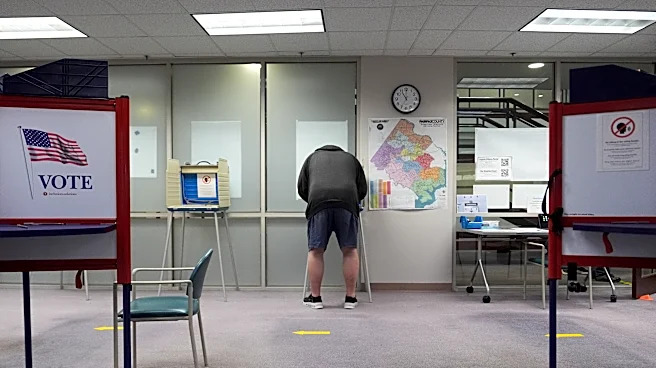
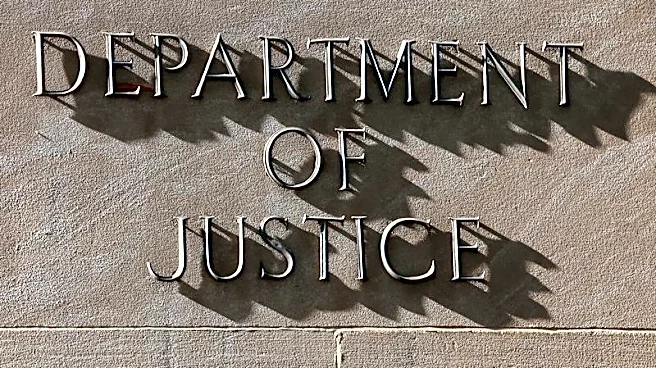
The U.S. Department of Justice (DOJ) has requested all ballots from the 2024 election in the Detroit area, marking an unusual move in the ongoing scrutiny of election processes. This request follows similar actions where prosecutors seized 2020 ballots in Georgia
and obtained election records in Arizona. The DOJ's demand, led by Assistant Attorney General Harmeet K. Dhillon, is part of a broader effort by President Trump and his administration to examine election integrity, particularly in swing states. Dhillon's letter to Michigan officials seeks ballots, ballot envelopes, and receipts from Wayne County, which includes Detroit, citing a history of alleged election fraud. Michigan's Democratic leaders, including Governor Gretchen Whitmer and Attorney General Dana Nessel, have criticized the request as an unfounded attempt to undermine public confidence in elections. They argue that voting fraud is rare and often detected by election officials. The DOJ has set a two-week deadline for the production of these ballots, with the possibility of legal action if the demand is not met.
Why It's Important?
This development is significant as it highlights the ongoing tensions and distrust surrounding U.S. election processes, particularly in key swing states. The DOJ's actions could impact public confidence in electoral integrity and influence future election policies. For Michigan, a state with a history of close elections, this scrutiny could affect voter turnout and trust in the electoral system. The demand also underscores the broader political strategy of President Trump and his administration to challenge and potentially reshape election procedures. This could have long-term implications for how elections are conducted and perceived in the U.S., potentially leading to increased polarization and legal battles over voting rights and election security.
What's Next?
The immediate next step involves Michigan officials responding to the DOJ's demand for ballots. If the state does not comply within the two-week deadline, the DOJ may pursue legal action to obtain the records. This could lead to a court battle over the jurisdiction and authority of the DOJ in state election matters. Additionally, the response from Michigan's Democratic leaders suggests potential political and legal resistance, which could further escalate tensions between state and federal authorities. The outcome of this situation may set a precedent for how similar demands are handled in other states, influencing future election oversight and legal frameworks.