

What's Happening?
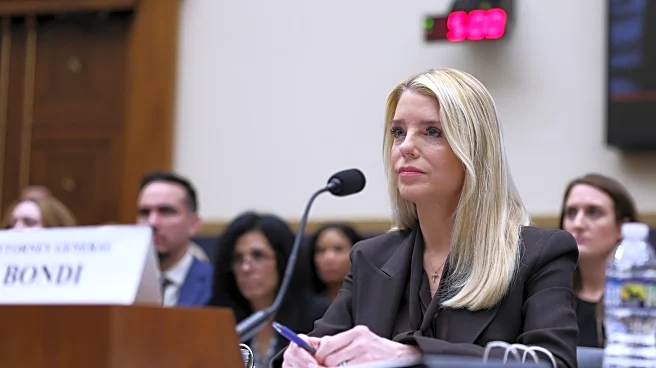
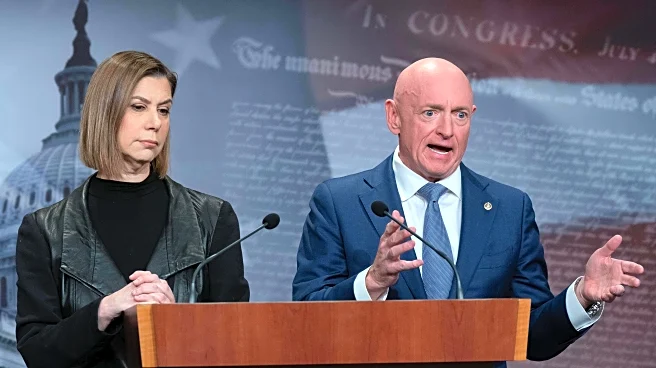
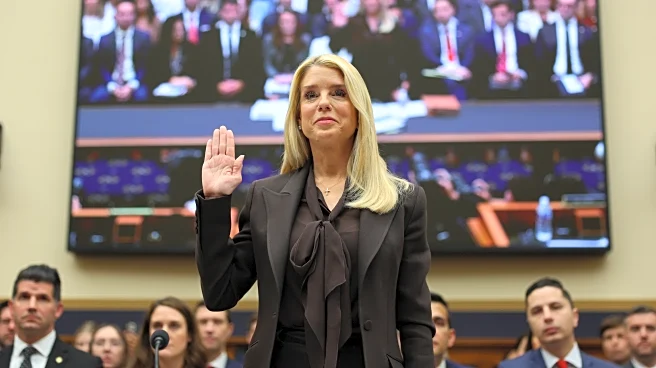
Senator Mark Kelly's attorney, Paul Fishman, has sent a letter to U.S. Attorney Jeanine Pirro and Attorney General Pam Bondi, urging them not to pursue a second indictment against a group of Democratic lawmakers. These lawmakers, including Kelly, participated
in a video encouraging military personnel to refuse 'illegal orders.' The Department of Justice had previously attempted to indict these lawmakers, but a grand jury did not find sufficient probable cause. The video, released in November, has been a point of contention, with President Trump accusing the participants of 'seditious behavior.' A federal judge recently ruled that the Department of Defense could not punish Kelly for his involvement in the video, citing First Amendment protections.
Why It's Important?
This development highlights ongoing tensions between the legislative and executive branches, particularly concerning the limits of free speech and the role of military obedience. The case underscores the potential for political actions to be interpreted as legal violations, raising questions about the balance between national security and constitutional rights. The outcome of this legal battle could set precedents for how similar cases are handled in the future, affecting lawmakers' ability to express dissenting views without fear of legal repercussions. It also reflects broader political dynamics, as the Trump administration's aggressive stance against perceived disloyalty continues to influence legal and political strategies.
What's Next?
The Department of Justice must decide whether to heed the warnings from Kelly's attorney and the recent court ruling or to pursue another indictment. This decision will likely be influenced by political pressures and the potential legal ramifications of continuing the case. If the DOJ proceeds, it could face further legal challenges and public scrutiny. Conversely, dropping the case might be seen as a victory for free speech advocates and could embolden other lawmakers to speak out on controversial issues. The situation remains fluid, with potential implications for future interactions between the military and civilian leadership.