




What's Happening?
Turkey and Egypt are advancing their maritime cooperation, with discussions underway for joint shipbuilding projects. This development was announced by Admiral Ercüment Tatlıoğlu, commander of Turkey’s navy, during the 'Sea of Friendship 2026' naval exercise
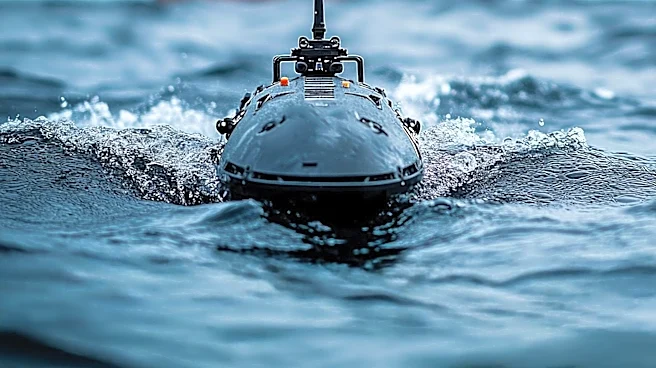
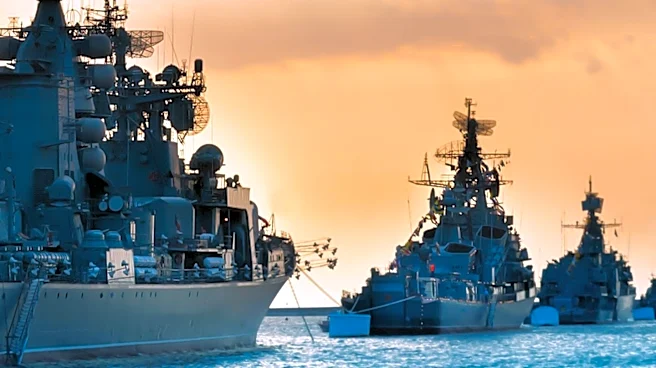
in Alexandria, Egypt. The exercise, which took place from November 4 to November 9, included Turkey's largest warship, the amphibious assault ship TCG Anadolu, and focused on surface warfare, anti-submarine warfare, air defense, and underwater assault training. Admiral Tatlıoğlu met with his Egyptian counterpart, Vice Admiral Mahmoud Adel Fawzy, to discuss expanding cooperation, particularly in unmanned aerial and naval systems. Turkey aims to replicate its successful MILGEM Project, which has produced corvettes and frigates for several navies, including Pakistan, Ukraine, and Malaysia, in a joint venture with Egypt. This move signals a significant step in strengthening defense ties between the two nations in the Eastern Mediterranean.
Why It's Important?
This burgeoning naval cooperation between Turkey and Egypt holds significant geopolitical implications for the Eastern Mediterranean, a region marked by complex maritime disputes and energy interests. The joint shipbuilding initiative could enhance the naval capabilities of both countries, potentially altering the balance of power in the area. For Turkey, it represents an opportunity to expand its defense industry influence and secure strategic partnerships, especially given its ongoing disagreements with Greece over maritime jurisdiction. For Egypt, collaborating with Turkey on advanced naval platforms could bolster its national security and project power in a critical maritime corridor. The cooperation also comes shortly after the House of Representatives in eastern Libya ratified a controversial 2019 Turkey-Libya maritime jurisdiction agreement, which Egypt's Foreign Minister Badr Abdelatty has declared 'null and void.' This dynamic suggests that while naval cooperation is progressing, underlying diplomatic tensions regarding regional agreements persist, making the strategic alignment between Turkey and Egypt a complex and impactful development.
What's Next?
The next steps will likely involve detailed negotiations and agreements on the scope and structure of the joint shipbuilding projects. Both nations will need to define the types of vessels to be built, the technological transfers involved, and the financial arrangements. The success of these projects could lead to further integration of their defense industries and potentially more joint military exercises. However, the broader geopolitical context, particularly the unresolved maritime disputes in the Eastern Mediterranean and Egypt's stance on the Turkey-Libya agreement, will continue to influence the trajectory of this cooperation. The international community, especially Greece and other regional actors, will closely monitor these developments for their implications on regional stability and maritime security. The ongoing dialogue between Turkish and Egyptian officials will be crucial in navigating these complexities and determining the future of their defense partnership.
Beyond the Headlines
The collaboration between Turkey and Egypt on naval shipbuilding extends beyond mere military hardware; it signifies a potential recalibration of alliances and influence in the Eastern Mediterranean. Historically, relations between the two countries have been strained, particularly after the 2013 Egyptian coup. This renewed cooperation, especially in a sensitive area like defense, suggests a pragmatic shift in foreign policy for both nations, prioritizing strategic interests over past political differences. The MILGEM Project's success in developing indigenous naval platforms for Turkey and its partners highlights a growing trend among middle powers to reduce reliance on traditional arms suppliers and foster self-sufficiency in defense. This could inspire other nations in the region to pursue similar defense industrial partnerships, potentially leading to a more multipolar security landscape. The ethical implications of advanced naval technology proliferation, particularly unmanned systems, will also be a critical consideration as these projects advance, raising questions about regional arms races and the future of naval warfare.