

What's Happening?
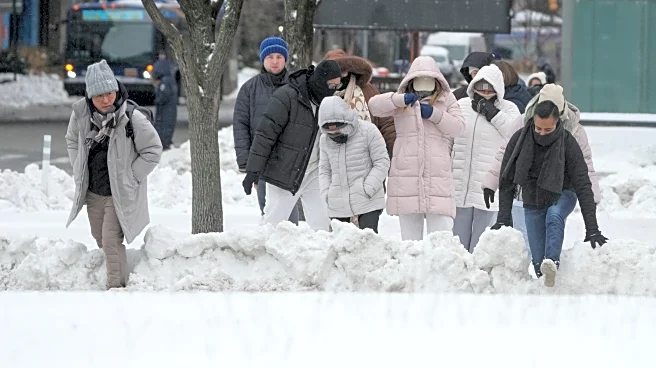
A major winter storm is set to hit the East Coast of the United States, bringing blizzard conditions that are expected to severely disrupt travel. Airlines including American Airlines, Delta Air Lines, JetBlue, Southwest, and United Airlines have announced
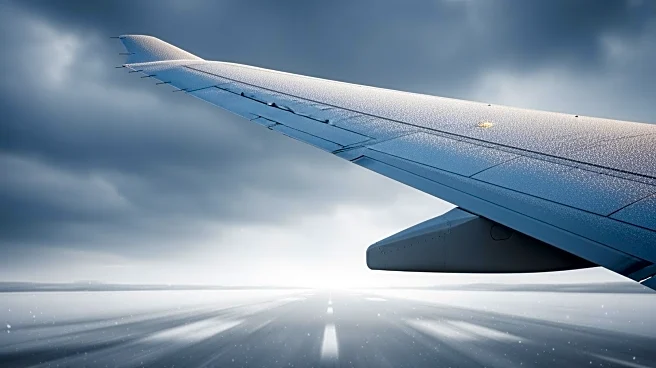
that they will waive change fees and fare differences for travelers with flights booked for February 22 and 23. This decision comes as the storm is predicted to bring up to 18 inches of snow, making travel 'treacherous, if not impossible,' according to weather experts. The governors of New Jersey and New York have declared a state of emergency in anticipation of the storm's impact. Amtrak has also adjusted its service schedule for the affected days. More than 1,000 flight cancellations are expected on Sunday, with an additional 1,500 on Monday.
Why It's Important?
The impending winter storm poses significant challenges for the transportation sector, particularly airlines and rail services, which are crucial for both personal and business travel. The decision by major airlines to waive fees is a proactive measure to mitigate customer dissatisfaction and logistical chaos. This storm could have broader economic implications, potentially affecting supply chains and business operations across the Northeast. The state of emergency declarations highlight the seriousness of the situation, as government resources are mobilized to ensure public safety and maintain essential services. The travel disruptions could also impact local economies, particularly in areas heavily reliant on tourism and business travel.
What's Next?
As the storm progresses, further travel disruptions are likely, with potential for additional flight cancellations and delays. Travelers are advised to stay updated on their flight status and consider alternative travel plans. Government agencies and transportation companies will continue to monitor the situation and adjust their responses as necessary. The aftermath of the storm will require significant cleanup and recovery efforts, particularly in areas experiencing the heaviest snowfall. Long-term, this event may prompt discussions on improving infrastructure resilience and emergency preparedness in the face of increasingly severe weather patterns.