




What's Happening?
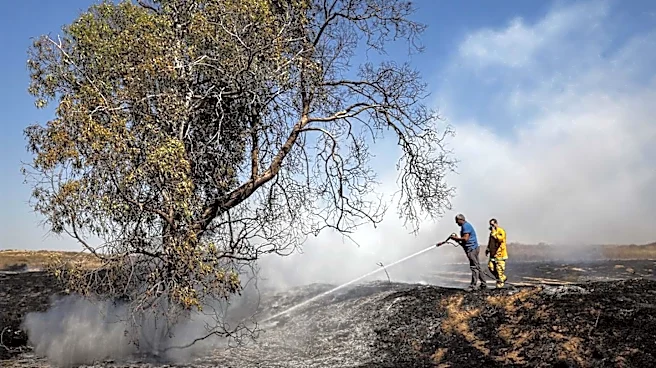
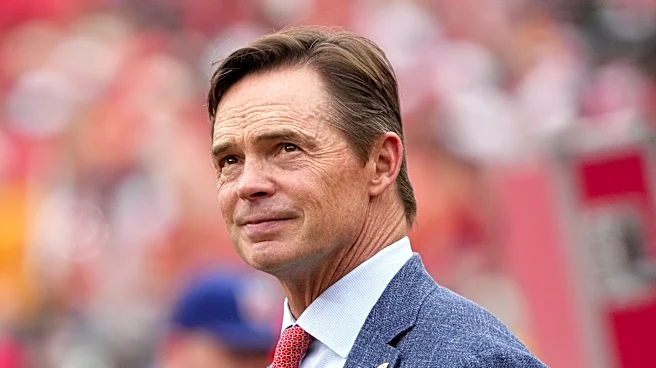
U.S. Senator Jerry Moran has announced a significant $2 million federal investment for the Kansas Forest Service, aimed at bolstering wildfire response capabilities across the state. This funding, secured by Senator Moran as a member of the Senate Appropriations
Committee, will facilitate the purchase of essential fire management equipment, including trucks, hand tools, machinery, and personal protective equipment (PPE). The investment will also support the Kansas Forest Service Action Plan. This initiative comes in recognition of the severe impact wildfires have had on Kansas communities. Additionally, Senator Moran has been instrumental in establishing the Rural Health Transformation Program (RHTP), which recently awarded SCK Health in Arkansas City a $2.4 million investment. This funding will assist SCK Health in its transformation into a purpose-built Rural Emergency Hospital (REH) facility, enhancing behavioral health crisis capabilities, diagnostic and surgical retention, and outpatient conversion. Senator Moran also introduced the 'Love Lives On Act' as part of the 'Take Care of America’s Veterans Act,' a bipartisan effort to improve healthcare and benefits for veterans, servicemembers, and their families.
Why It's Important?
The $2 million investment in the Kansas Forest Service is crucial for enhancing public safety and protecting property in Kansas, a state frequently affected by wildfires. By providing local firefighters with modern equipment and resources, the initiative aims to improve response times and effectiveness, potentially saving lives and mitigating economic losses from fire damage. The funding for SCK Health through the Rural Health Transformation Program is vital for improving healthcare access and quality in rural Kansas. Rural hospitals often face unique challenges, and this investment will enable SCK Health to offer more comprehensive services, including emergency care and behavioral health support, which are critical for the well-being of rural populations. The 'Love Lives On Act' addresses a significant issue for military surviving spouses, ensuring they do not lose essential benefits if they remarry before age 55. This legislative effort acknowledges the sacrifices made by military families and seeks to provide financial stability and support for those who have lost loved ones in service, impacting over 30,000 surviving military spouses nationwide.
What's Next?
The Kansas Forest Service will proceed with the acquisition of new fire management equipment and the implementation of its Action Plan, which is expected to strengthen wildfire preparedness and response capabilities throughout the state. SCK Health will utilize the $2.4 million investment to continue its physical transformation into a Rural Emergency Hospital, expanding its services and improving healthcare infrastructure for the communities it serves. The 'Love Lives On Act,' as part of the broader 'Take Care of America’s Veterans Act,' will continue through the legislative process. If passed, it will provide comprehensive reforms to improve healthcare and benefits for veterans, servicemembers, their families, caregivers, and survivors. Senator Moran's office is also currently accepting applications for spring 2027 internships and 2026 U.S. Service Academy appointments for the Class of 2031, indicating ongoing efforts to engage with and support future leaders.
Beyond the Headlines
The initiatives championed by Senator Moran highlight a broader national focus on strengthening rural infrastructure and supporting military families. The investment in wildfire preparedness reflects a growing recognition of the increasing frequency and intensity of natural disasters, underscoring the need for robust emergency response systems at the state and local levels. The Rural Health Transformation Program addresses systemic disparities in healthcare access between urban and rural areas, aiming to ensure that all Americans, regardless of their location, have access to quality medical care. The 'Love Lives On Act' delves into the ethical and social dimensions of military benefits, challenging existing regulations that can place undue burdens on surviving spouses. This legislation seeks to rectify a policy that has historically forced difficult choices upon military families, promoting a more compassionate and supportive framework for those who have sacrificed for the nation. These efforts collectively contribute to a more resilient and equitable society.