
What's Happening?
The U.S. Environmental Protection Agency (EPA) is reportedly planning to change its approach to air pollution regulation by not considering health benefits when setting rules. This shift, as reported by The New
York Times, could lead to the repeal of limits on pollutants from industrial facilities, potentially lowering costs for companies but resulting in increased air pollution. Activists and former EPA officials have criticized the move, arguing it disregards scientific evidence and the agency's mission to protect public health. The EPA has responded by stating that it remains committed to its core mission, despite the reported changes.
Why It's Important?
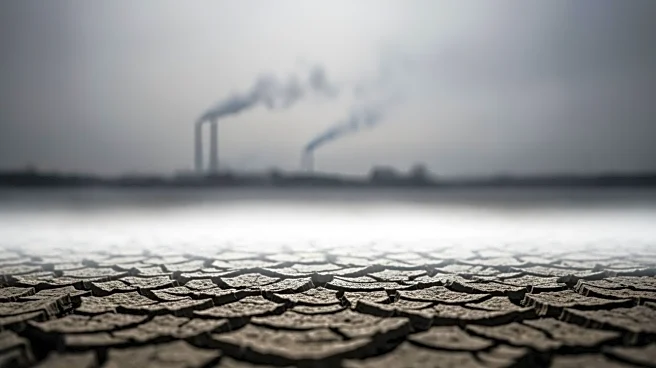
This policy shift is significant as it could have widespread implications for public health and environmental protection in the U.S. By not monetizing health benefits, the EPA may enable increased pollution, which could exacerbate health issues such as asthma and cardiovascular diseases. The decision could also set a precedent for future regulatory approaches, potentially weakening environmental protections. Industries may benefit from reduced compliance costs, but the long-term health and environmental costs could outweigh these savings. The move has sparked concern among environmental groups and public health advocates, who fear it represents a rollback of critical protections.
What's Next?
The reported changes are likely to face legal challenges from environmental and public health organizations. These groups may seek to block the implementation of the new policy through the courts, arguing that it violates the EPA's mandate to protect human health. Additionally, there may be increased advocacy efforts to pressure the EPA and lawmakers to reconsider the policy. The outcome of these efforts could influence future environmental regulations and the balance between economic and health considerations in policy-making.