

What's Happening?
The Federal Aviation Administration (FAA) has issued an urgent airworthiness directive requiring operators of Boeing 757 aircraft equipped with scimitar blended winglets (SBWs) to conduct inspections for potential cracks. This directive, effective immediately
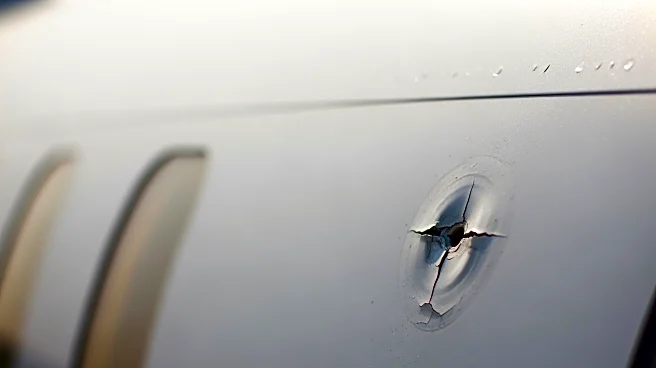
as of February 26, follows reports of five aircraft experiencing issues with these winglets. The European Union Aviation Safety Agency (EASA) has also adopted this directive. The FAA's action was prompted by a crack discovered on a Boeing 757-200 during a heavy maintenance check, specifically in the inspar outer lower wing skin area near access panel 543BB. Aviation Partners Boeing (APB), the supplier of the winglets, quickly developed an inspection plan and issued an alert service bulletin on February 4, recommending checks within 30 days. However, due to additional reports of cracks, the FAA has shortened the inspection deadline to five days. This directive affects 156 U.S.-registered Boeing 757s, although not all have the upgraded SBW variant.
Why It's Important?
The FAA's directive underscores the critical importance of aircraft safety and maintenance in the aviation industry. The discovery of cracks in the winglets of Boeing 757s could have significant implications for airline operations, potentially leading to increased maintenance costs and operational disruptions. Ensuring the structural integrity of aircraft is vital for passenger safety and maintaining public confidence in air travel. The swift response by the FAA and EASA highlights the collaborative efforts between regulatory bodies to address safety concerns promptly. Airlines operating affected aircraft must now prioritize these inspections to comply with the directive, which could impact flight schedules and availability. The situation also reflects the ongoing challenges in aircraft maintenance and the need for rigorous inspection protocols to prevent potential safety hazards.
What's Next?
Airlines operating Boeing 757s with the affected winglets will need to complete the mandated inspections within the five-day timeframe set by the FAA. This may lead to temporary grounding of some aircraft, affecting flight operations and schedules. Airlines will need to coordinate with maintenance teams to ensure compliance with the directive and address any identified issues promptly. The FAA and EASA will likely continue to monitor the situation closely, potentially issuing further guidance or updates based on the inspection outcomes. The aviation industry may also see increased scrutiny on the design and maintenance of aircraft components, prompting manufacturers and suppliers to review and enhance their quality control measures.