


What's Happening?
The United Kingdom has announced its most extensive sanction package against Russia, coinciding with the fourth anniversary of the Ukraine invasion. This package includes nearly 300 new sanctions aimed at disrupting Russian energy revenues and military
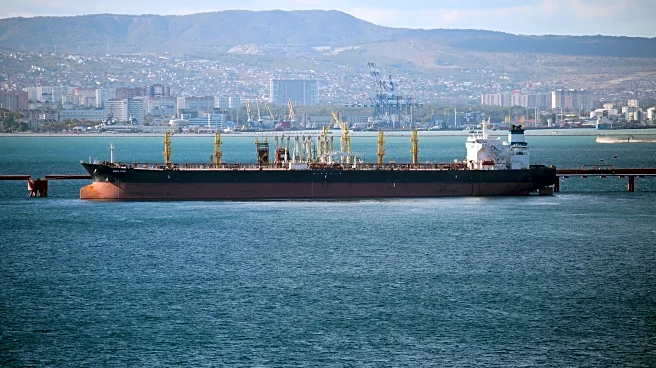
equipment supplies. Key targets include oil and gas exports, pipelines, terminals, and traders, as well as military equipment suppliers and banks. The UK has also sanctioned 175 companies within the 2Rivers oil network, a major trader of Russian crude oil. Additionally, PJSC Transneft, responsible for over 80% of Russia's oil exports, is among the entities sanctioned. The UK government claims these measures have significantly impacted Russia's oil revenues, which are reportedly at their lowest since 2020.
Why It's Important?
The sanctions are a strategic move to weaken Russia's financial and military capabilities, potentially altering the dynamics of the ongoing conflict in Ukraine. By targeting critical sectors like energy and military supplies, the UK aims to cut off significant revenue streams that fund Russia's military operations. This could pressure Russia to reconsider its stance in the conflict, especially as the sanctions reportedly have already deprived Russia of over $450 billion. The broader impact on global energy markets and geopolitical relations could be substantial, affecting international trade and diplomatic engagements.
What's Next?
The UK is likely to continue monitoring the effectiveness of these sanctions and may introduce further measures if necessary. The international community, including the EU and the U.S., may also consider aligning their strategies to increase pressure on Russia. The situation remains fluid, with potential developments in peace negotiations and further economic measures from other nations.
Beyond the Headlines
The sanctions highlight the complexities of international trade and the global economy's interconnectedness. They also raise ethical questions about the use of economic measures as tools of foreign policy and their impact on civilian populations. The long-term effects on global energy supply chains and the potential for shifts in international alliances are significant considerations.