




What's Happening?
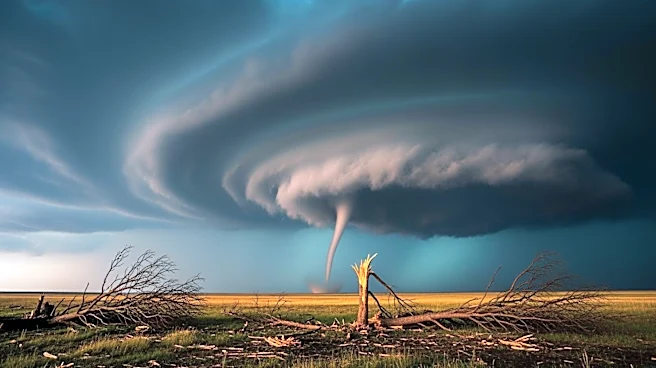
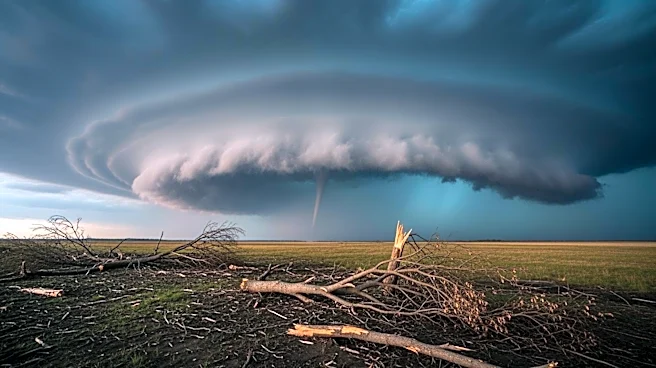
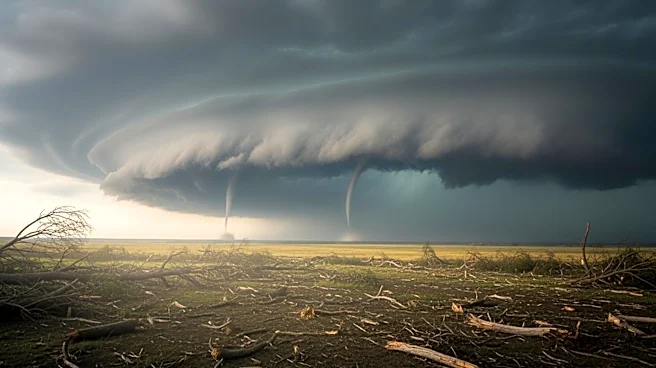
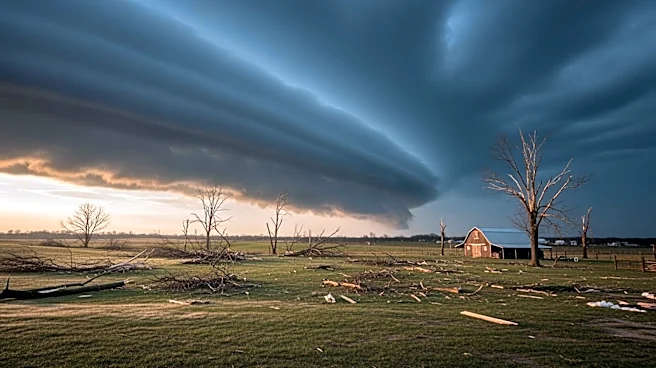
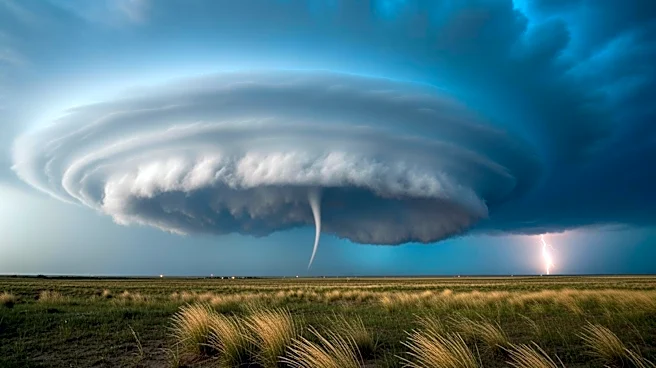
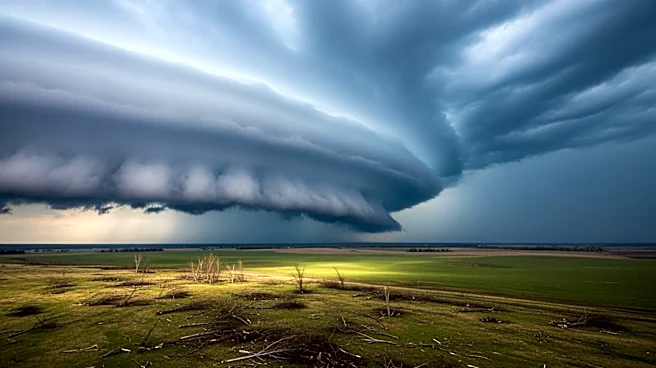
Communities across the Upper Midwest are engaged in cleanup efforts following a series of severe weather events, including tornadoes, that caused significant damage over the weekend. According to the National Weather Service, numerous severe storms were
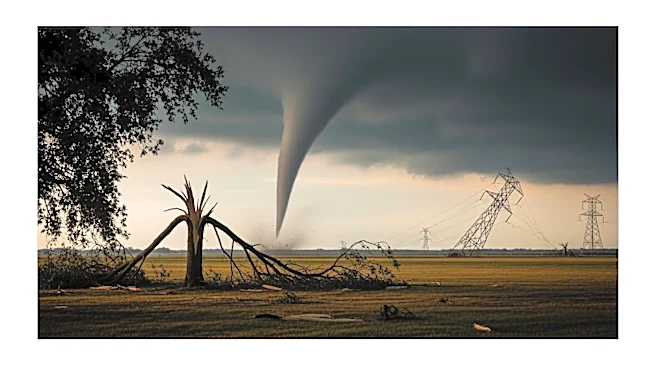
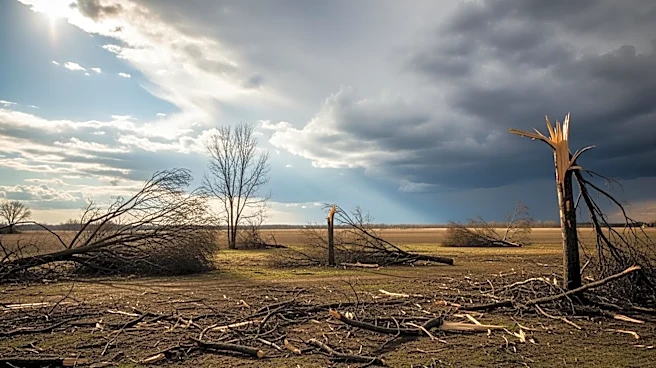
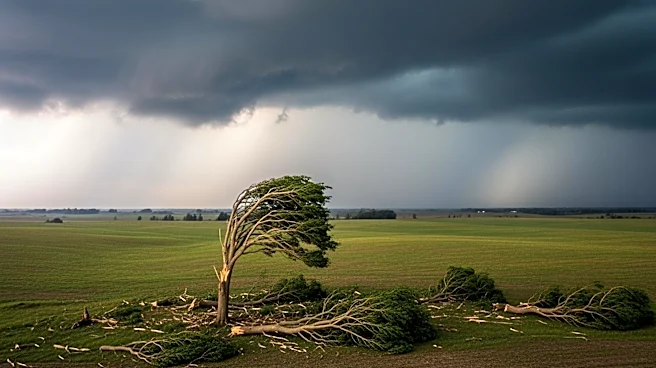
tracked across parts of Iowa, Illinois, and Missouri, with at least 66 tornado reports submitted in multiple states including Oklahoma, Illinois, Missouri, Wisconsin, and Iowa. In Minnesota, Marion Township saw about 30 homes damaged, with a dozen suffering significant damage. Stewartville also experienced damage to at least 20 homes, prompting the establishment of a temporary shelter in Rochester for displaced residents. In Illinois, McClean County declared a disaster emergency due to severe storms in Bloomington, although no injuries have been reported. The village of Lena experienced the most significant damage from an EF-2 tornado, which damaged many homes and outbuildings, uprooted trees, and downed power lines. In Wisconsin, several tornadoes were reported, with 26 tornado warnings issued in one day, the highest since 1995. The American Red Cross is providing meals, shelter, and support to those affected.
Why It's Important?
The severe weather and tornadoes have had a substantial impact on the Midwest, causing widespread property damage and power outages. The response and recovery efforts are critical for the affected communities, as they work to restore normalcy and ensure public safety. The declaration of a disaster emergency in McClean County highlights the severity of the situation and the need for coordinated emergency response efforts. The involvement of organizations like the American Red Cross underscores the importance of community support and resilience in the face of natural disasters. The events also serve as a reminder of the increasing frequency and intensity of severe weather patterns, potentially linked to broader climate change trends, which could have long-term implications for infrastructure planning and disaster preparedness in the region.
What's Next?
As cleanup efforts continue, affected communities will focus on restoring power and clearing debris to reopen roads and ensure access to essential services. Emergency response agencies remain actively engaged to maintain public safety and support recovery operations. The temporary shelters will continue to provide refuge for displaced residents until it is safe for them to return home. Local governments and emergency management teams will likely assess the damage to apply for federal assistance and support rebuilding efforts. The situation may prompt discussions on improving infrastructure resilience and emergency preparedness to better handle future severe weather events.