




What's Happening?
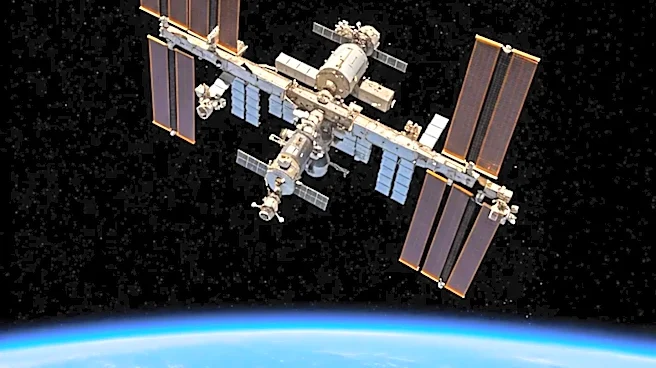
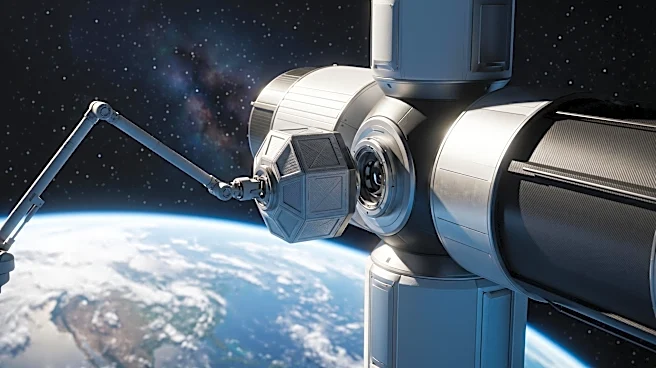
The International Space Station (ISS) National Laboratory has reached a significant milestone, delivering over 1,000 payloads to the orbiting laboratory. This achievement coincides with the Center for the Advancement of Science in Space (CASIS) celebrating
15 years as the manager of the ISS National Lab. The 1,000th payload was delivered during NASA's Northrop Grumman Commercial Resupply Services 24 mission. These payloads encompass a wide array of research areas, including biotechnology, pharmaceutical development, advanced materials, Earth observation, physical sciences, in-space manufacturing, and technology development, as well as student-led investigations. The scientific impact of this research is evidenced by more than 675 peer-reviewed publications, with over 20% appearing in top-tier journals. The ISS National Lab, a public service enterprise, enables researchers to utilize the unique microgravity environment of the ISS for research and technology development not feasible on Earth. It supports non-NASA science, technology, and education initiatives from U.S. government agencies, academic institutions, and the private sector.
Why It's Important?
This milestone underscores the critical role of the ISS National Lab in advancing scientific knowledge and technological innovation for the benefit of life on Earth. The diverse range of research conducted, from understanding and treating heart disease at Stanford University and Cedars-Sinai to studying cancer progression at the University of California San Diego, demonstrates the tangible impact of space-based research on human health and well-being. Furthermore, the lab's partnerships with government agencies like the U.S. National Science Foundation and the National Institutes of Health, which have funded over 90 projects, highlight its importance in fundamental science. By fostering a vibrant research community and expanding access to space-based research, the ISS National Lab contributes to maturing space-based business models, advancing science literacy, and expanding a sustainable market in low Earth orbit. This continuous innovation in space directly translates to improvements in various U.S. industries and public health initiatives.
What's Next?
The ISS National Lab is expected to continue its mission of facilitating access to the microgravity environment for diverse research and development. Future endeavors will likely focus on further expanding the range of scientific investigations, fostering new partnerships with academic and private sector entities, and translating more space-based discoveries into real-world applications. The ongoing efforts to mature space-based business models suggest a future where commercial activities in low Earth orbit become more prevalent and economically viable. Additionally, the emphasis on advancing science literacy indicates continued investment in educational initiatives to inspire the next generation of scientists and engineers. The success of the 1,000-payload milestone will likely encourage more researchers and organizations to leverage the unique capabilities of the ISS for groundbreaking discoveries and technological advancements.
Beyond the Headlines
The achievement of 1,000 payloads by the ISS National Lab signifies a broader shift towards democratizing access to space for scientific research and commercial development. This initiative moves beyond traditional government-led space exploration, opening doors for a wider array of institutions and private companies to conduct experiments in microgravity. This expansion of access has profound implications for the future of scientific discovery, potentially accelerating breakthroughs in fields like medicine, materials science, and sustainable technologies. The ethical considerations surrounding the commercialization of space and the equitable distribution of its benefits will become increasingly important as more entities engage in space-based research. Furthermore, the long-term sustainability of such research platforms and the development of next-generation space laboratories will be crucial for maintaining this momentum and ensuring continued innovation for the benefit of humanity.