



What's Happening?
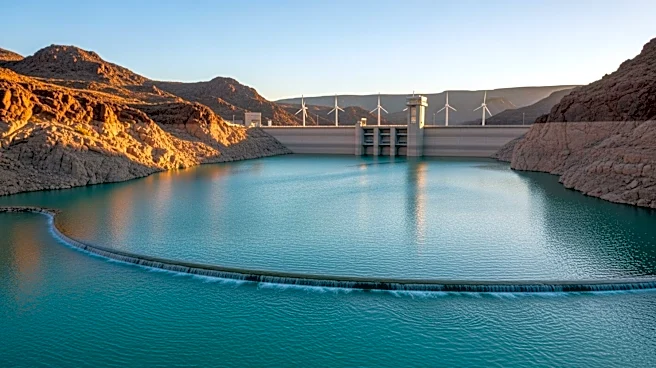
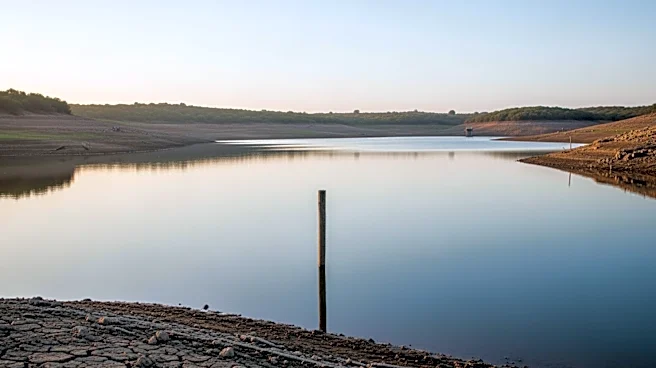
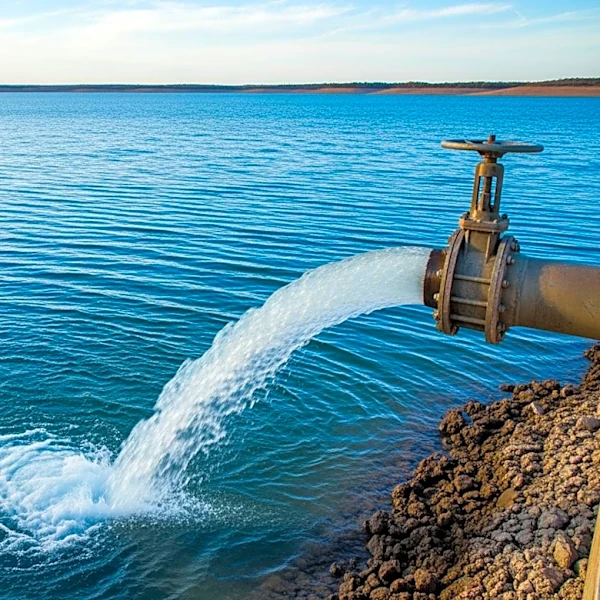
The Interior Department has initiated emergency measures to address the severe drought affecting Lake Powell, a critical reservoir in the Colorado River basin. The department has begun releasing billions of gallons of water from the Flaming Gorge Reservoir
to stabilize Lake Powell's water levels. This action is necessary to prevent the reservoir from dropping to levels that could halt hydropower production by August. The plan involves releasing up to one million acre-feet of water, which is about a third of Flaming Gorge's capacity. Additionally, the department will retain 1.5 million acre-feet of water in Lake Powell that would typically flow to Lake Mead, potentially reducing Mead's hydropower capacity by 40% this fall.
Why It's Important?
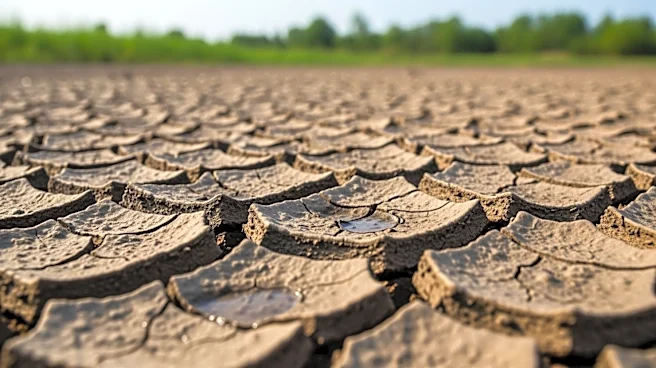
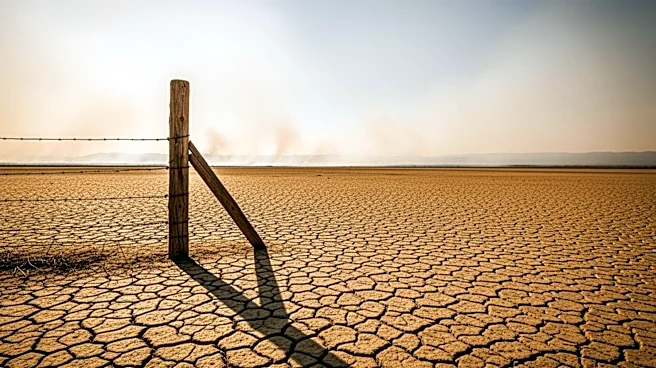
Lake Powell is a vital source of water and hydropower for the region, and its declining levels pose significant risks to energy production and water supply. The emergency measures underscore the severity of the drought and the challenges in managing water resources in the Colorado River basin. The situation highlights the need for collaborative water management strategies among the upper basin states and those downstream, such as California, Nevada, and Arizona. The economic and environmental implications are profound, affecting local economies, recreation, and the ability to respond to future hydrologic conditions.
What's Next?
The upper basin states are using the situation to push for renewed negotiations on water sharing and conservation with downstream states. The ongoing drought and water management challenges may lead to more stringent water use policies and increased efforts to develop sustainable water management practices. Stakeholders will likely continue to seek long-term solutions to balance water needs across the region, considering the impacts of climate change and population growth.