




What's Happening?
The United States Department of Agriculture (USDA) has officially designated Scott County, Minnesota, as a natural disaster area due to severe drought conditions. This designation, effective November 13, 2026, allows the USDA Farm Service Agency (FSA)
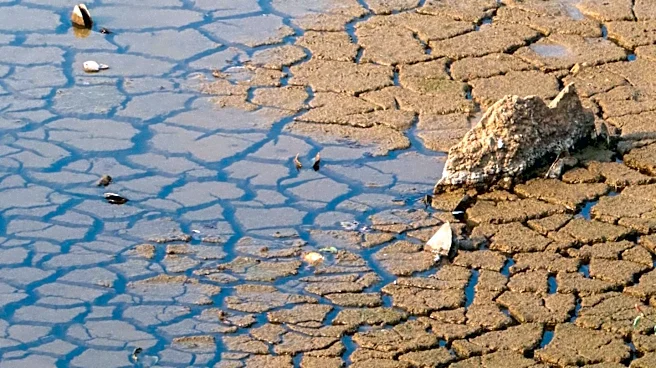
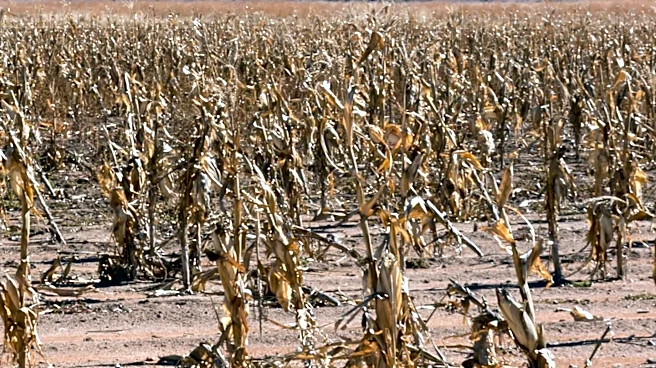
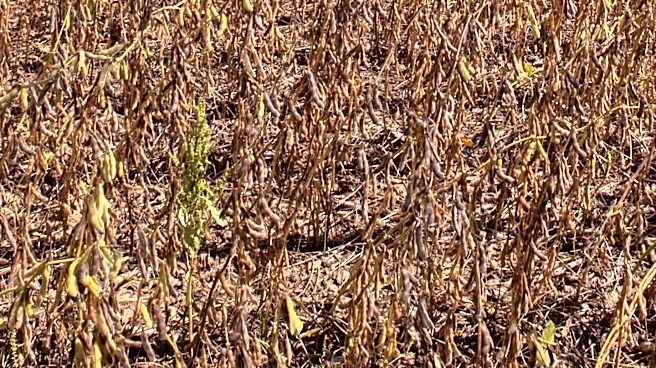
to provide emergency credit to agricultural producers in the affected region. Farmers and ranchers in Scott County, along with those in contiguous counties including Carver, Dakota, Hennepin, Le Sueur, Rice, and Sibley, are now eligible for emergency loans. These loans are designed to help producers recover from losses by funding essential replacements like equipment or livestock, assisting with the reorganization of farming operations, or refinancing certain debts. The FSA will evaluate loan applications based on the extent of losses, available security, and repayment capability. The U.S. Drought Monitor reported that these counties experienced D2 Drought-Severe conditions for eight or more consecutive weeks, or D3 Drought-Extreme or D4 Drought-Exceptional levels during the growing season, triggering this disaster declaration.
Why It's Important?
This natural disaster designation is crucial for the agricultural sector in Minnesota, particularly for farmers and ranchers grappling with the economic fallout of prolonged drought. The availability of emergency loans through the FSA provides a vital financial lifeline, enabling producers to mitigate significant losses and maintain their operations. Without such assistance, many could face severe financial hardship, potentially leading to farm closures, reduced agricultural output, and broader economic instability in rural communities. The ability to replace essential items, reorganize operations, or refinance debts helps ensure the continuity of food production and supports the livelihoods of those dependent on agriculture. This federal intervention underscores the government's role in stabilizing the agricultural economy during environmental crises and protecting the nation's food supply chain.
What's Next?
Eligible producers in Scott County and the contiguous counties have until July 2, 2027, to apply for emergency loans. The USDA encourages affected farmers to contact their local USDA Service Center to file a Notice of Loss and inquire about available programs. The USDA's online resources, including the Disaster Assistance Discovery Tool, Disaster Assistance-at-a-Glance fact sheet, and Loan Assistance Tool on farmers.gov, are available to help producers identify suitable program or loan options. The FSA will continue to process applications and disburse funds to support recovery efforts. The long-term impact will depend on future weather patterns and the effectiveness of these relief measures in helping the agricultural community rebuild and adapt to changing climate conditions.
Beyond the Headlines
The recurring need for natural disaster declarations due to drought highlights the increasing vulnerability of U.S. agriculture to climate change. This event in Minnesota is part of a broader national trend where extreme weather events are becoming more frequent and intense, posing significant challenges to food security and rural economies. The reliance on federal emergency aid, while critical for immediate relief, also underscores the need for more resilient agricultural practices and long-term climate adaptation strategies. This situation could prompt further discussions on sustainable farming methods, water conservation, and crop diversification to build greater resilience against future droughts. It also emphasizes the importance of robust federal support systems to ensure the stability of the agricultural sector in the face of environmental uncertainties.