



What's Happening?
The U.S. is experiencing an early and potentially severe allergy season in 2026, with regions like the Southeast already reporting symptoms. Dr. Purvi Parikh, a New York City-based allergist, notes that the season's early start is consistent with recent
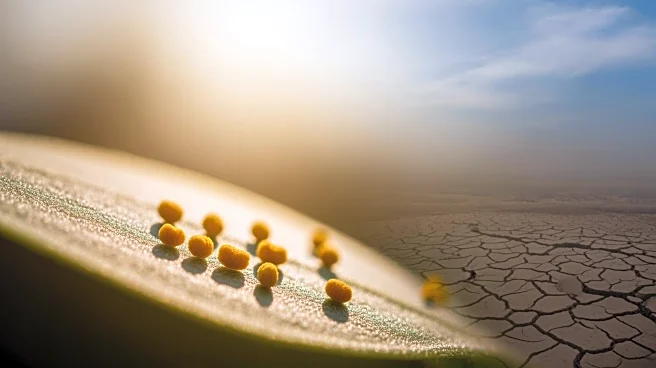
trends of longer and more intense allergy seasons. This shift is attributed to global climate change, which has led to warmer temperatures and extended growing seasons, resulting in increased pollen production. The Northeast and Pacific Northwest are expected to experience similar early starts, exacerbating symptoms for those with pollen allergies.
Why It's Important?
The early onset and increased severity of allergy seasons have significant implications for public health, particularly for individuals with respiratory conditions. The trend underscores the broader impacts of climate change on health, as rising temperatures contribute to longer and more intense pollen seasons. This can lead to increased healthcare costs and a greater burden on healthcare systems. The situation highlights the need for adaptive strategies in healthcare and public policy to address the growing challenges posed by climate change-related health issues.
What's Next?
Individuals are advised to take preventive measures, such as keeping windows closed, changing clothes after being outdoors, and using air purifiers to mitigate allergy symptoms. Healthcare providers may increase efforts to educate patients on managing allergies and the importance of early intervention. Policymakers might consider integrating climate change mitigation strategies into public health planning to address the long-term impacts on allergy seasons and related health issues.