



What's Happening?
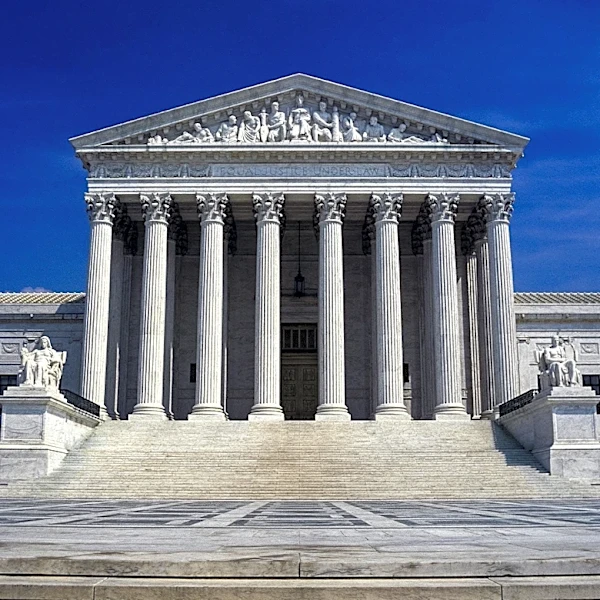
The Supreme Court has reinforced the Second Amendment's protection of individual gun rights through recent rulings. In the cases of United States v. Hemani and Wolford v. Lopez, the court ruled against disarming individuals solely for marijuana use and struck
down Hawaii's presumptive ban on carrying firearms in public establishments. These decisions build on the precedent set by District of Columbia v. Heller and New York State Rifle & Pistol Ass’n, Inc. v. Bruen, which established a two-step test for evaluating Second Amendment cases. The test requires that any law restricting gun rights must be justified by historical precedent. The court's recent decisions emphasize the importance of adhering to the original understanding of the Second Amendment and reject interest-balancing approaches that weigh modern policy goals against constitutional rights.
Why It's Important?
These rulings have significant implications for gun rights in the United States, reinforcing the individual right to bear arms and limiting the government's ability to impose restrictions without historical justification. The decisions underscore the court's commitment to a text-and-history approach, which could influence future cases and legislation related to gun control. By rejecting interest-balancing tests, the court prioritizes constitutional fidelity over contemporary policy considerations, potentially shaping the landscape of gun rights and regulations across the country. This approach may lead to challenges against existing and proposed gun control measures, affecting public safety policies and the balance between individual rights and government regulation.
What's Next?
The Supreme Court's emphasis on historical justification for gun regulations suggests that future cases will continue to be evaluated under the Heller-Bruen framework. This could lead to increased scrutiny of state and federal gun laws, with potential challenges to regulations that lack historical precedent. As the court continues to define the contours of the Second Amendment, stakeholders, including lawmakers, advocacy groups, and the public, will need to navigate the evolving legal landscape. The decisions may also prompt legislative efforts to address gun rights and public safety in ways that align with the court's interpretation of the Second Amendment.