


What's Happening?
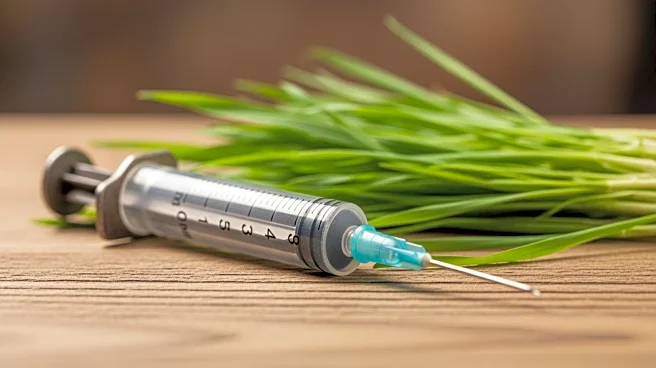
KwaZulu-Natal has initiated a comprehensive plan to vaccinate its entire cattle population of 2.4 million against Foot and Mouth Disease (FMD) within a six-month timeframe. The outbreak in the region is severe, with a prevalence rate between 70% and 80%,
significantly impacting the agricultural sector and threatening local livelihoods. Dr. Cameron Kutwana, the deputy chief state veterinarian, emphasized the need for an aggressive vaccination campaign, surpassing previous efforts that covered 800 cattle over four years. The Department of Agriculture plans to commence the mass vaccination in early March, coordinating with private veterinarians to ensure coverage across both communal and commercial spaces. However, skepticism remains among farmers regarding the government's ability to meet vaccine supply deadlines, as previous promises have not been fulfilled.
Why It's Important?
The vaccination campaign is crucial for mitigating the economic and social impacts of the FMD outbreak in KwaZulu-Natal. The disease poses a significant threat to the dairy and meat industries, which are vital components of the region's economy. Failure to control the outbreak could lead to further disruptions in livestock production, affecting food security and the livelihoods of farmers. The campaign's success is essential for restoring confidence among farmers and ensuring the stability of the agricultural sector. Additionally, the initiative highlights the importance of government intervention and collaboration with private entities in addressing public health crises in the agricultural domain.
What's Next?
The Department of Agriculture is set to begin the vaccination drive in March, with efforts focused on ensuring timely vaccine distribution and administration. The success of the campaign will depend on effective coordination between government agencies and private veterinarians. Farmers will be closely monitoring the situation, and their response will likely depend on the government's ability to deliver on its promises. The outcome of this campaign could influence future government strategies in managing agricultural health crises and may lead to policy adjustments to improve vaccine supply chains and distribution mechanisms.