



What's Happening?
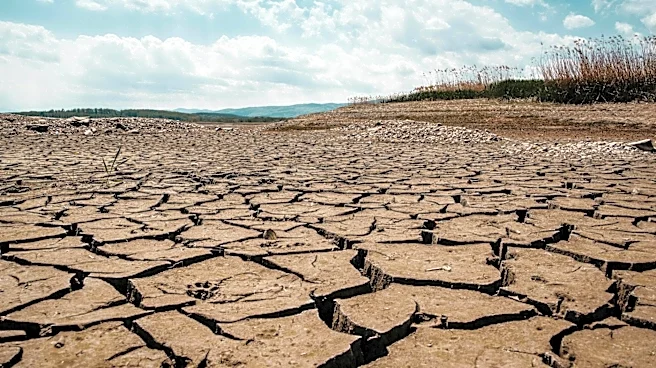
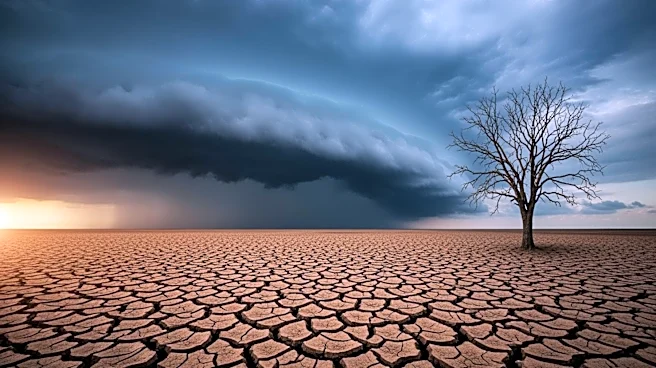
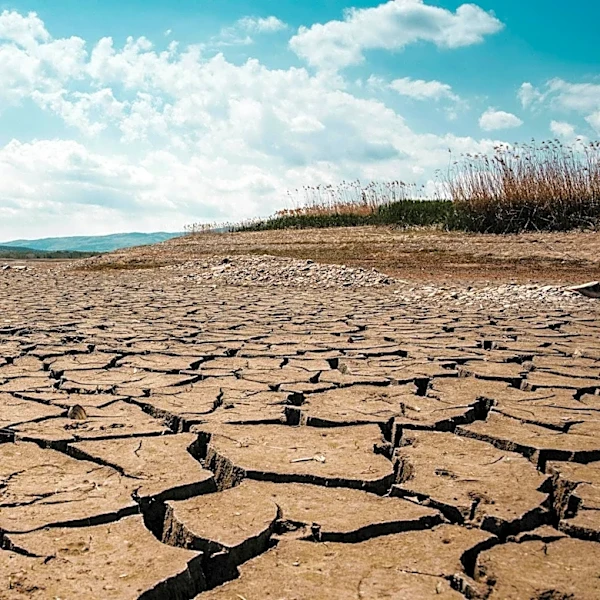
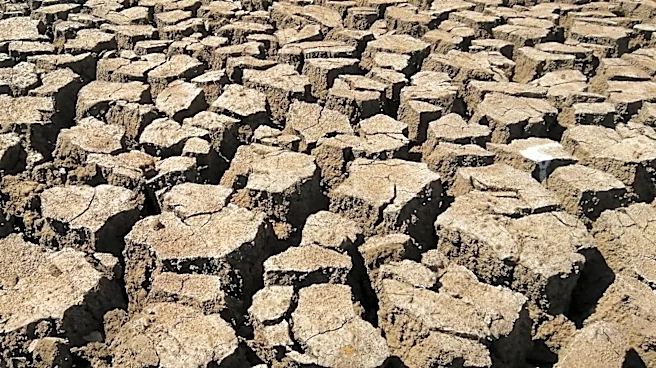
A recent study has highlighted a significant shift in rainfall patterns across California and the western United States, where precipitation is becoming more concentrated in fewer, heavier storms, leading to extended dry spells. This phenomenon is contributing
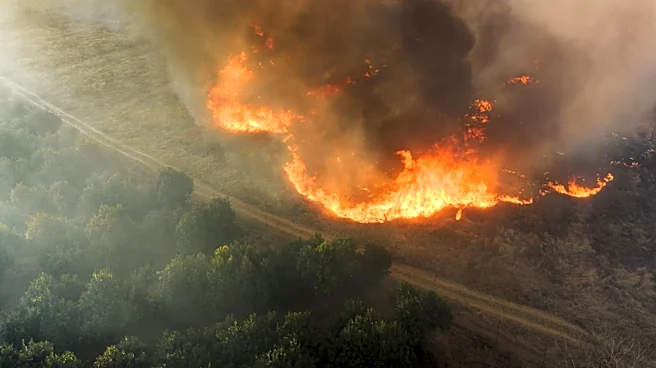
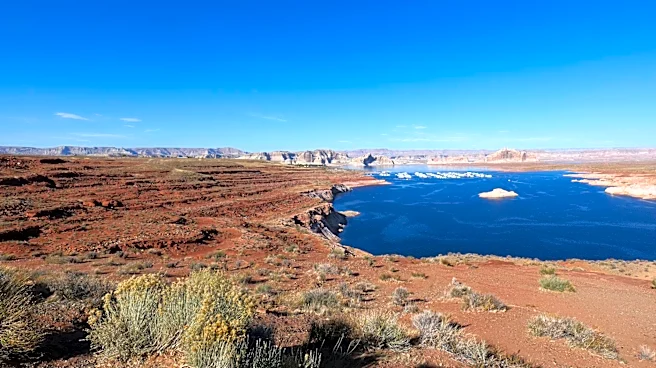
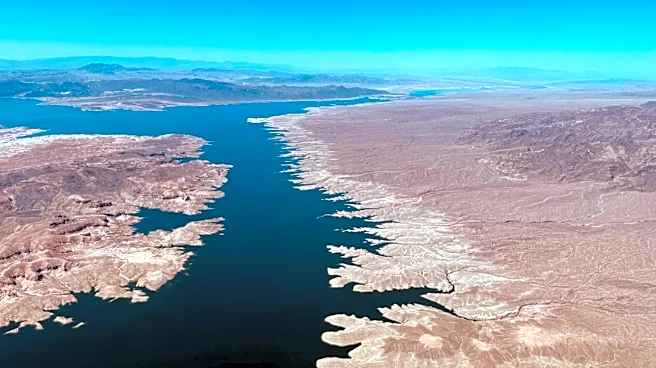
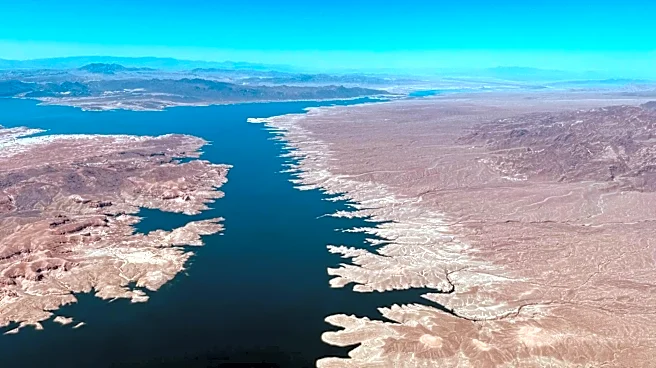
to a drying trend in the region, exacerbating existing drought conditions. The research, published in the journal Nature, analyzed global precipitation data from 1980 to 2022, revealing that the concentration of rainfall is increasing, particularly affecting the Colorado River, a crucial water source for California. The study suggests that current strategies for managing drought and floods may be inadequate as climate change continues to alter weather patterns.
Why It's Important?
The findings of this study are critical as they underscore the challenges posed by climate change to water resource management in the western U.S. The increased concentration of rainfall into fewer, more intense storms means that much of the water is lost to evaporation rather than being absorbed into the soil, reducing the availability of fresh water. This trend threatens agricultural productivity, water supply stability, and the overall ecological balance in the region. As the climate continues to warm, the need for adaptive strategies to manage water resources becomes increasingly urgent, impacting policy decisions and infrastructure planning.
What's Next?
The study's implications suggest a need for revised water management policies that account for the changing precipitation patterns. Stakeholders, including government agencies and environmental organizations, may need to develop new strategies to capture and store water more effectively during heavy downpours. Additionally, there may be increased pressure on policymakers to address the root causes of climate change by reducing greenhouse gas emissions. The research also calls for further studies to refine climate models and improve predictions of future water availability in the region.