




What's Happening?
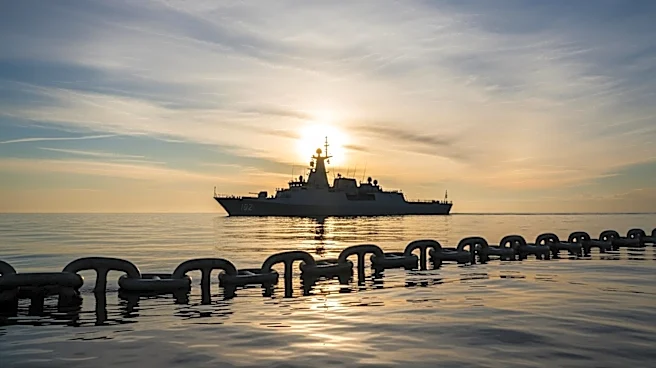
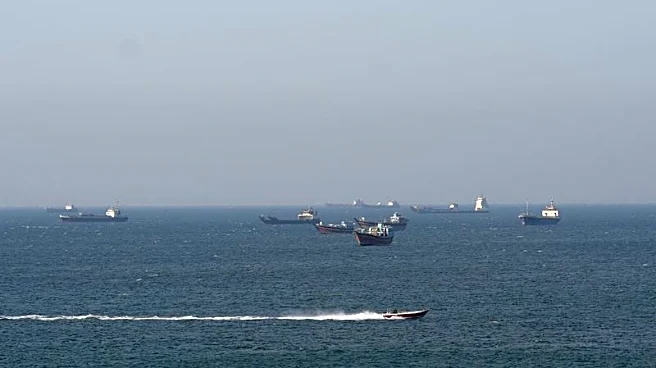
Merchant vessels navigating the Strait of Hormuz have reportedly come under fire, raising alarms over maritime security and global oil supply. The Strait is a vital passage for a significant portion of the world's crude oil shipments. Reports indicate
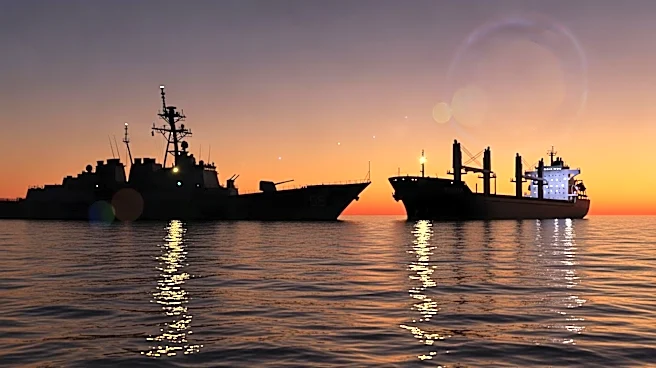
that commercial ships faced gunfire, prompting distress alerts and route changes. The incidents highlight the ongoing geopolitical tensions in the Middle East, particularly between the United States and Iran. The attacks have led to increased concerns about the safety of international shipping lanes and the potential for further disruptions in global oil supply.
Why It's Important?
The Strait of Hormuz is a critical chokepoint for global oil transportation, and any disruption can have immediate effects on oil prices and supply chains. The attacks on merchant vessels underscore the vulnerability of this key transit route and the potential for escalating tensions to impact global trade. Shipping companies may face higher insurance costs and reassess their risk exposure in the region. The situation also highlights the broader geopolitical tensions between the U.S. and Iran, which could lead to further instability if not addressed through diplomatic means.
What's Next?
The international community, including the United Nations, is likely to call for increased security measures to protect shipping lanes in the Strait of Hormuz. Maritime agencies may issue advisories to ensure the safety of vessels transiting the area. The situation remains fluid, and stakeholders will closely monitor developments to prevent further escalation. Diplomatic efforts may be necessary to de-escalate tensions and ensure the continued flow of oil through this critical passage.