



What's Happening?
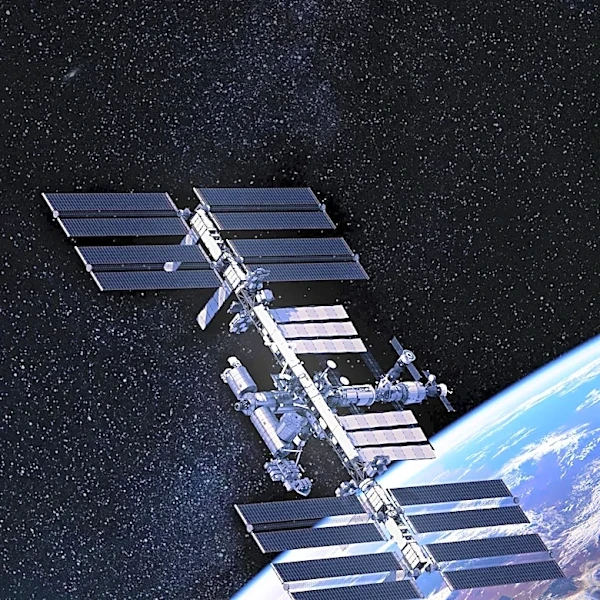
The Indian Space Research Organisation (ISRO) is making significant strides in its human spaceflight program, with plans for an independent space station, the Bharatiya Antariksh Station (BAS), drawing international attention. The first module, BAS-01,
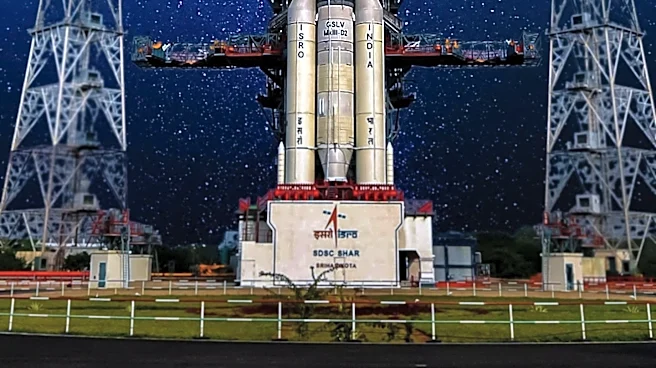
is slated for launch by 2028, with the full five-module station expected to be operational by 2035. This initiative is part of India's broader Gaganyaan human spaceflight mission, which aims to put humans into orbit and ensure their safe return. Development for BAS-01 received Union Cabinet approval in September 2024, and the Department of Space confirmed progress on system engineering and sub-system development in March 2026. The estimated cost for developing and launching the first module is ₹1,763 crore. Concurrently, Larsen & Toubro (L&T) has delivered its fourth Crew Escape Ogive Shroud set for the Gaganyaan G2 mission to ISRO, a critical component for crew safety during launch emergencies. This delivery, announced on November 6, 2026, by L&T's Precision Engineering and Systems business, is reportedly ahead of schedule.
Why It's Important?
India's ambitious space station and human spaceflight plans signify a major leap in its space capabilities, moving beyond its established role as a cost-effective satellite launch provider. This development positions India as a significant player in the global space arena, fostering technological advancement, scientific research, and industrial growth within the country. The Gaganyaan program, with its focus on ensuring human safety in space, is crucial for validating India's capabilities in complex space missions. The successful development and deployment of BAS will provide India with independent access to long-duration space research, potentially leading to breakthroughs in various scientific fields. Furthermore, the growing interest from countries like China highlights the increasing geopolitical significance of space exploration and India's emerging status as a space power, potentially influencing international collaborations and competition in space.
What's Next?
ISRO is preparing for multiple unmanned Gaganyaan missions to rigorously test the launch vehicle, crew module, escape system, life support systems, and recovery procedures. These tests are essential prerequisites before any crewed flight can take place, ensuring the safety and reliability of the entire system. The delivery of critical components like the Crew Escape Ogive Shroud by L&T indicates ongoing progress towards these test missions. Following the successful completion of these unmanned flights, ISRO will proceed with the crewed Gaganyaan mission, which will pave the way for the eventual deployment and operation of the Bharatiya Antariksh Station. The next steps will involve continued sub-system development for BAS-01 and further integration and testing of Gaganyaan mission components, with a clear timeline set for the launch of the first module by 2028 and full station operation by 2035.
Beyond the Headlines
India's pursuit of an independent space station and human spaceflight capabilities reflects a broader strategic vision to enhance its self-reliance and technological sovereignty in space. This initiative could stimulate significant advancements in various high-tech sectors, including materials science, robotics, and artificial intelligence, as these technologies are integral to complex space missions. The project also carries significant national prestige, showcasing India's scientific and engineering prowess on a global stage. Ethically, the development of an independent space station raises questions about international cooperation in space, the responsible use of orbital resources, and the long-term sustainability of space activities. As India expands its presence in space, it will likely play a more prominent role in shaping international space policies and norms, contributing to discussions on space debris mitigation, traffic management, and the peaceful exploration of space.