



What's Happening?
Lawmakers in Alaska are expressing legal concerns regarding a proposed transfer of 20,000 acres of state-owned land to the Alaska Industrial Development Export Authority (AIDEA) for a Mat-Su industrial park. The Department of Natural Resources (DNR) is
facilitating this transfer at no cost, with AIDEA's stated goal being to establish a development district that fosters private investment and job creation for Mat-Su residents. However, a legal memo from a nonpartisan attorney for the Alaska Legislature, Alpheus Bullard, indicates that it is unclear whether the state can ensure the land will be used for a public purpose once transferred to AIDEA. This lack of clarity, according to Bullard, could lead to legal issues. Five members of the Senate Resources Committee, including Chair Cathy Giessel, have sent a letter to Natural Resources Commissioner John Crowther, requesting clarification on how the public interest will be protected. They argue that the proposed uses are too vaguely defined, making it difficult to evaluate the public interest and for DNR to perform its due diligence. The lawmakers also expressed concern about the Dunleavy administration's perceived guidance to move state land into private hands.
Why It's Important?
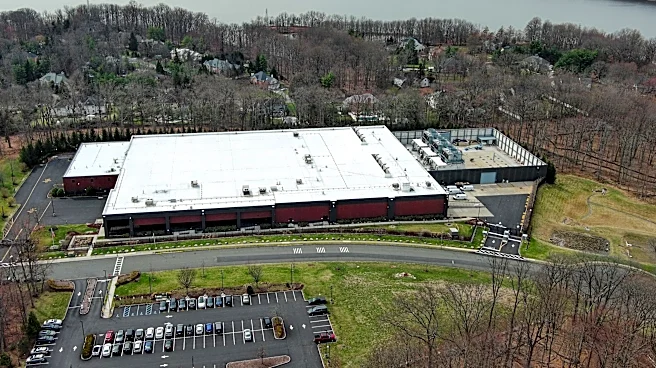
This situation is important because it highlights potential legal and ethical challenges in state land management and economic development initiatives in Alaska. The transfer of a significant parcel of state land without clear assurances of public benefit raises questions about transparency and accountability in government. If the land is transferred without sufficient safeguards, it could set a precedent for future land deals that may not adequately serve the public interest. Furthermore, the concern about the construction of data centers in Southcentral Alaska, given the region's ongoing energy shortage, points to a broader issue of balancing economic development with existing infrastructure and resource constraints. Should data centers be built, they could exacerbate energy supply problems for residents and businesses, potentially leading to increased costs or energy instability. The involvement of AIDEA, an entity whose board members are appointed by Governor Mike Dunleavy, also brings into focus the influence of political appointments on public corporations and their development agendas.
What's Next?
The Department of Natural Resources (DNR) is currently reviewing the legal analysis and the letter from the lawmakers, along with over 2,100 public comments submitted on the proposed land transfer. A DNR spokesperson stated that any final decision will address feedback from the public, agencies, and the Legislature. This indicates that a decision on the land transfer is pending and will likely be influenced by the ongoing scrutiny and public input. Lawmakers, particularly those on the Senate Resources Committee, are expected to continue pressing for more specificity and assurances regarding the public purpose of the land use. Senator Giessel has also suggested a moratorium on data center development until new state laws are enacted to govern their construction, indicating potential legislative action in response to these concerns. The outcome of this review and any subsequent decisions will determine the future of the Mat-Su industrial park and could influence future state land management policies in Alaska.
Beyond the Headlines
Beyond the immediate concerns of land transfer and public interest, this situation touches upon deeper issues of resource allocation, environmental impact, and the role of government in fostering economic growth. The debate over the Mat-Su industrial park underscores the tension between promoting industrial development and preserving public resources, especially in a state like Alaska with vast natural landscapes. The potential for data centers, which are energy-intensive, to be built in an area already facing energy shortages highlights the need for comprehensive energy planning and sustainable development strategies. This case could also set a precedent for how public corporations, like AIDEA, are held accountable for their development projects and how their actions align with broader state goals and public welfare. The discussion also implicitly raises questions about the long-term vision for Alaska's economic future and whether current development strategies adequately address both immediate economic needs and long-term environmental and social sustainability.