
What's Happening?
Europe is facing a severe heat crisis that is pushing its economy to the brink. The heatwave has led to production declines, supply chain disruptions, and rising food prices. The tourism sector has been hit hard, with many businesses struggling during
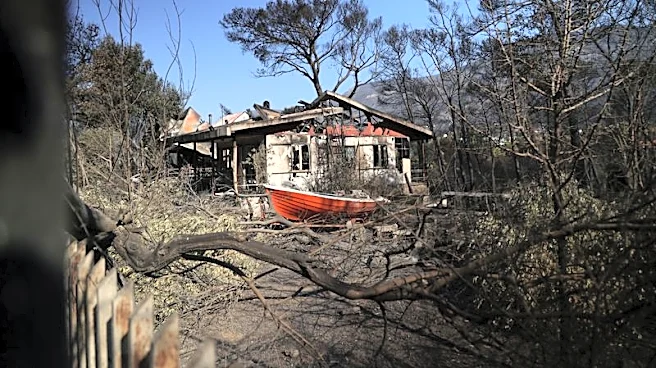
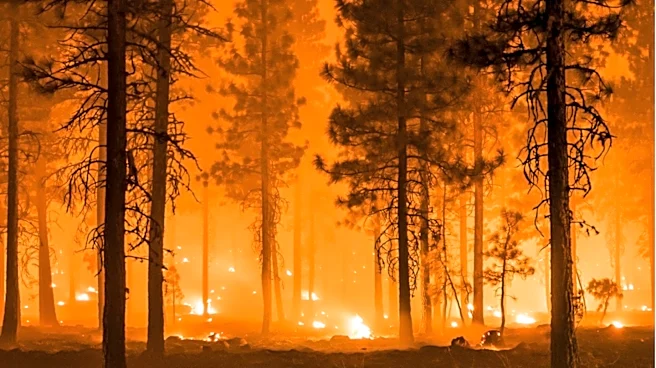
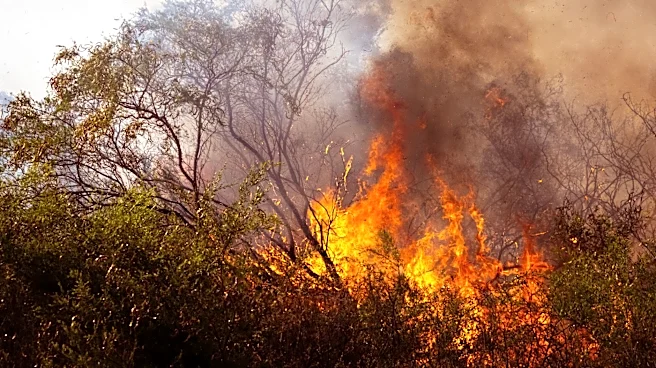
the peak season. The heatwave has also resulted in nearly 10,000 deaths, with the elderly population being the most affected. The economic impact is compounded by the ongoing wildfires, which have caused extensive damage and forced mass evacuations. The situation highlights the need for European authorities to treat extreme heat as a permanent economic factor in future planning.
Why It's Important?
The heat crisis underscores the vulnerability of Europe's economy to climate-related disruptions. The economic impact is significant, with disruptions to production, supply chains, and tourism. The situation also highlights the need for improved infrastructure and worker protection to withstand the effects of extreme temperatures. The ongoing crisis emphasizes the urgent need for climate adaptation strategies to mitigate the impact of extreme weather events and enhance economic resilience.
What's Next?
European countries may need to implement additional measures to protect their economies from the impact of extreme heat. This could include investing in climate adaptation strategies, enhancing worker protection, and improving infrastructure resilience. The ongoing situation may prompt a reevaluation of economic policies and priorities to address the challenges posed by climate change. International cooperation and support may be necessary to address the broader implications of the heatwave and its impact on economic stability.