








What's Happening?
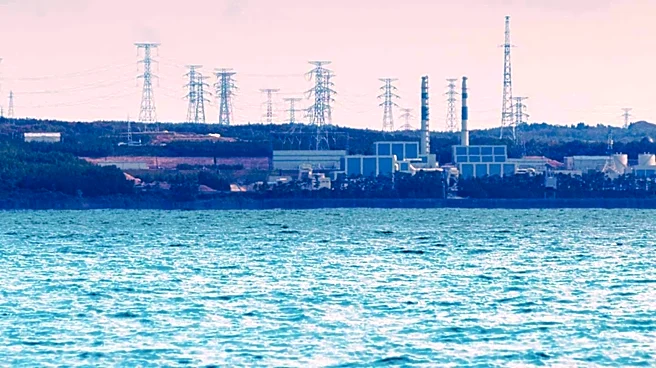
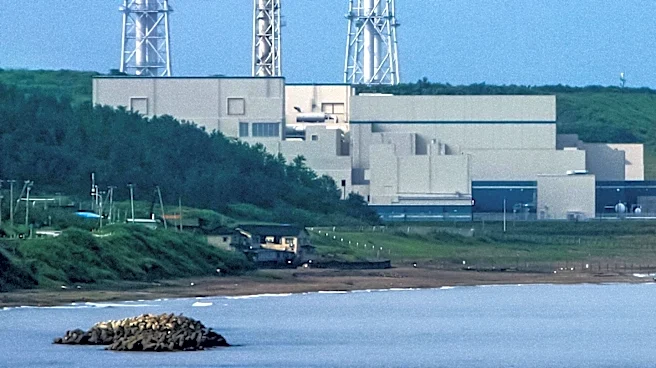
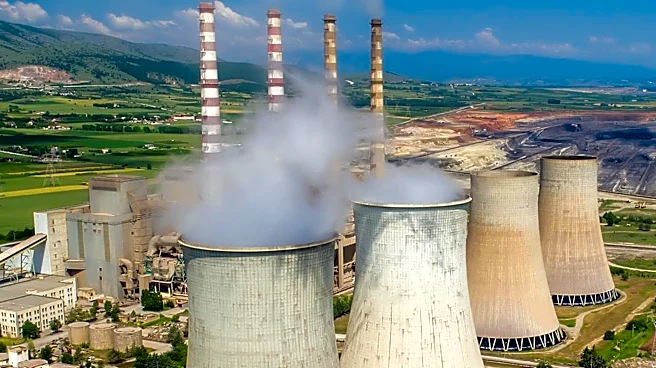
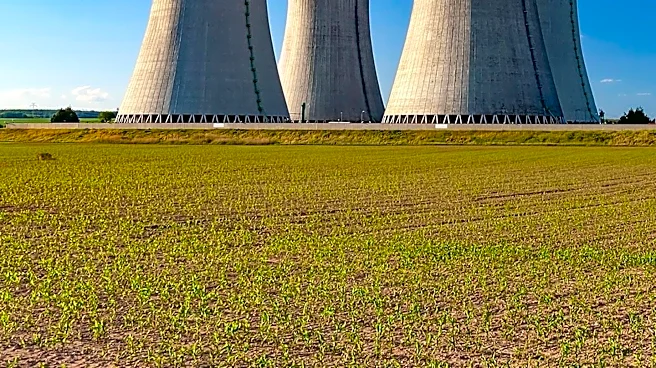
Hungary's only nuclear power plant, the Paks nuclear plant, is set to shut down for the first time in its history due to record-low water levels in the Danube River. Prime Minister Péter Magyar announced that the plant, which is currently operating at less
than half its normal capacity, will likely be powered down by early next week. The plant relies on the Danube for cooling its reactors, but the exceptionally low water levels have hindered the ability to pump sufficient water. The plant, which accounts for nearly half of Hungary's electricity production, has been in operation for 44 years. The shutdown is a result of a prolonged drought affecting Central Europe, with no significant rainfall expected to alleviate the situation.
Why It's Important?
The shutdown of the Paks nuclear plant highlights the vulnerability of energy infrastructure to climate change and environmental conditions. As the plant provides a significant portion of Hungary's electricity, its closure could lead to energy shortages and increased reliance on alternative energy sources. This situation underscores the broader challenges faced by countries in ensuring energy security amid changing climate patterns. The event also raises concerns about the sustainability of nuclear power plants that depend on natural water sources for cooling, prompting discussions on the need for more resilient energy systems.
What's Next?
Hungary's government has requested large energy-consuming companies to voluntarily reduce their consumption to stabilize the energy supply. Additionally, the government is considering suspending parliamentary sessions to conserve energy. The situation may prompt Hungary to explore alternative energy sources or invest in infrastructure that can withstand environmental changes. The international community may also take note of this incident as a case study in the impacts of climate change on energy infrastructure.