

What's Happening?
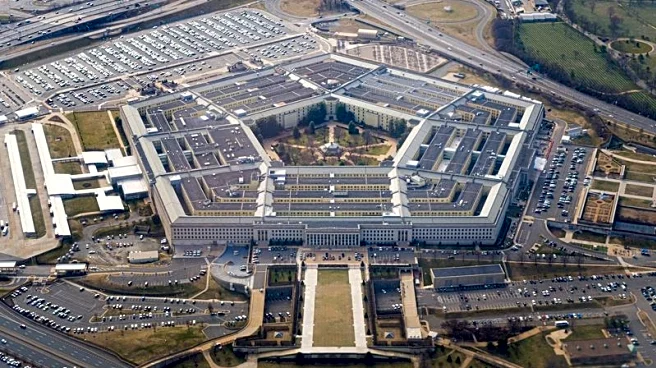
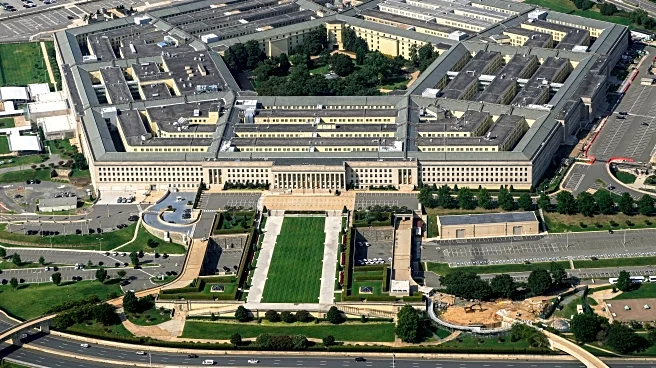
U.S. District Court Judge Paul Friedman has raised significant concerns regarding the Pentagon's new policy that restricts journalists' access to information not authorized by the government. This policy, implemented by the Trump administration, has led
to nearly the entire Pentagon press corps surrendering their credentials in protest. The New York Times has filed a lawsuit challenging the policy, arguing it violates the First Amendment. The policy allows the Department of Defense to suspend or revoke press credentials, which has resulted in no major news organizations reporting from inside the Pentagon since October. Judge Friedman is expected to rule soon on whether this policy infringes on press freedom.
Why It's Important?
The case highlights the ongoing tension between national security and press freedom, especially during times of conflict, as the U.S. is currently at war with Iran. The outcome of this case could set a precedent for how the government balances security concerns with the public's right to information. A ruling against the Pentagon's policy could reinforce the importance of transparency and accountability in government actions, potentially impacting how future administrations handle press access. Conversely, upholding the policy might embolden further restrictions on press freedom under the guise of national security.
What's Next?
Judge Friedman's upcoming decision will be closely watched by media organizations and civil liberties groups. If the court rules against the Pentagon, it could lead to a reinstatement of press credentials and a reevaluation of the policy. The decision may also prompt legislative or executive actions to address the balance between security and transparency. Media organizations are likely to continue advocating for press freedom, potentially leading to further legal challenges if the policy is upheld.