



What's Happening?
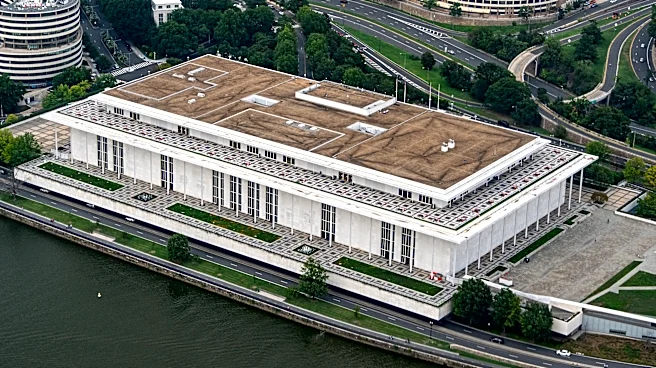
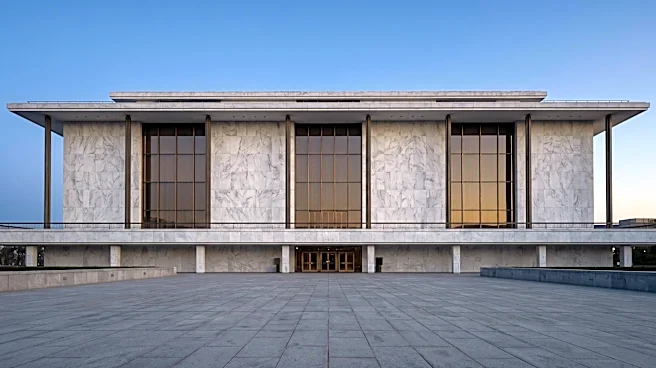
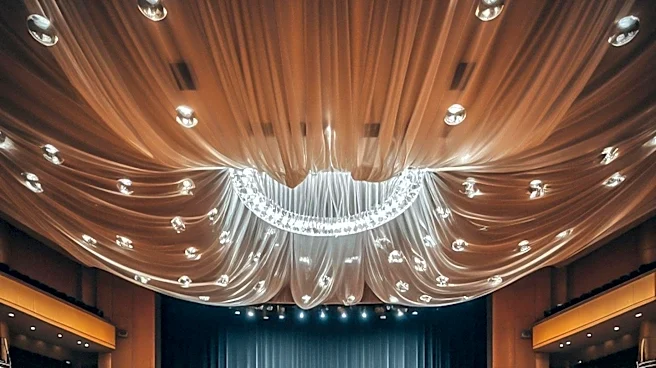
The Trump administration has argued in a court filing that the John F. Kennedy Center for the Performing Arts could face demolition if major repairs are not undertaken, defending a renewed effort to add President Trump's name to the landmark's facade.
This comes after a federal judge ruled in May that only Congress has the authority to change the center's name. The Kennedy Center's board, largely appointed by President Trump, voted to alter the building's signage to read 'The John F. Kennedy Center for the Performing Arts Restored and Renovated by President Donald J. Trump' and to name the grounds the 'President Donald J. Trump Plaza.' Democratic Representative Joyce Beatty, an ex officio member of the Kennedy Center board, has again asked the federal court to block these changes, arguing they violate the Kennedy Center statute. The administration contends that the new inscription does not breach the court’s injunction as the building would still formally be called the John F. Kennedy Center for the Performing Arts, and that such acknowledgments of major donors are common.
Why It's Important?
This dispute highlights a significant clash between the executive branch and judicial interpretations of congressional intent regarding national cultural institutions. The administration's threat of demolition, framed as a consequence of potential funding loss if President Trump's name is not recognized, raises questions about the politicization of cultural heritage and the independence of such institutions. The argument that donor contributions would 'shrivel up' without President Trump's name on the building, despite a previous judicial panel finding a lack of specific evidence for this claim, underscores the high stakes involved in fundraising for major cultural centers. The ongoing legal battle could set a precedent for how future administrations interact with and seek to influence the naming and recognition practices of federally established memorials and institutions, potentially impacting their long-term financial stability and artistic integrity. The situation also reflects broader tensions regarding the legacy and public recognition of presidential contributions.
What's Next?
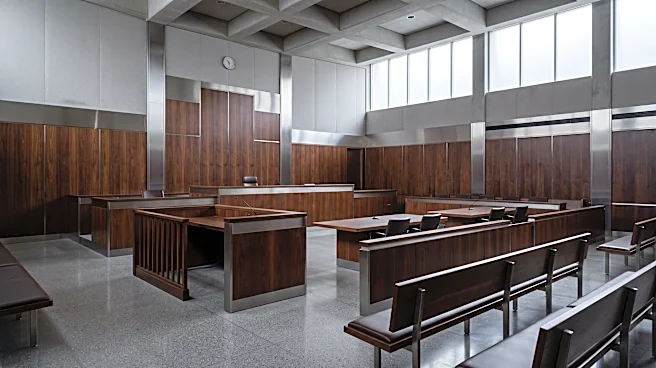
A federal judge is scheduled to hear arguments on Thursday regarding Representative Beatty's request to block the Kennedy Center from adding President Trump's name to the facade. The court's decision will determine whether the proposed signage changes can proceed or if they will be deemed a violation of the previous injunction. Should the court rule against the administration, it could lead to further appeals and prolong the legal battle. Conversely, a ruling in favor of the administration would allow the new inscriptions to be displayed, potentially leading to renewed public and artistic backlash. The long-term financial health of the Kennedy Center, and its ability to secure funding for necessary renovations, will likely remain a central point of contention, regardless of the immediate legal outcome. The administration's threat of demolition, while presented as a worst-case scenario, could also influence future discussions about the center's maintenance and funding strategies.
Beyond the Headlines
The controversy surrounding the Kennedy Center's naming extends beyond a simple legal dispute, touching upon the ethical considerations of memorialization and the appropriate balance between honoring past presidents and recognizing contemporary contributions. The argument that the Kennedy Center has 'fallen on harder times' and experienced declining attendance and artist cancellations since President Trump's involvement suggests a broader cultural impact of the politicization of the institution. This situation could prompt a re-evaluation of the governance structures of national cultural institutions, particularly regarding the appointment of board members and their potential influence on the institution's mission and public perception. The administration's attempts to 'put Trump’s stamp on the U.S. capital,' including other proposed projects like a triumphal arch, indicate a broader pattern of seeking to establish a lasting physical legacy, which could spark further debates about urban planning, historical preservation, and the symbolic landscape of Washington D.C.