




What's Happening?
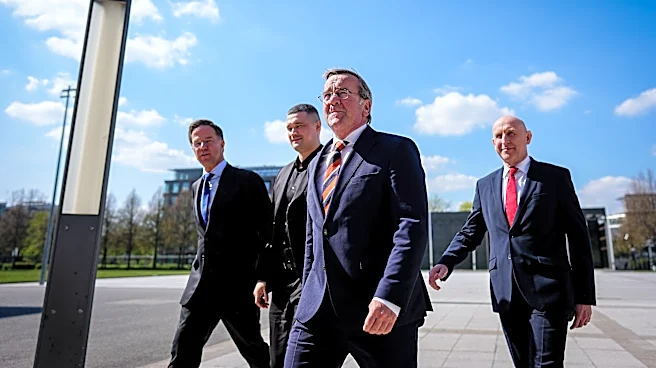
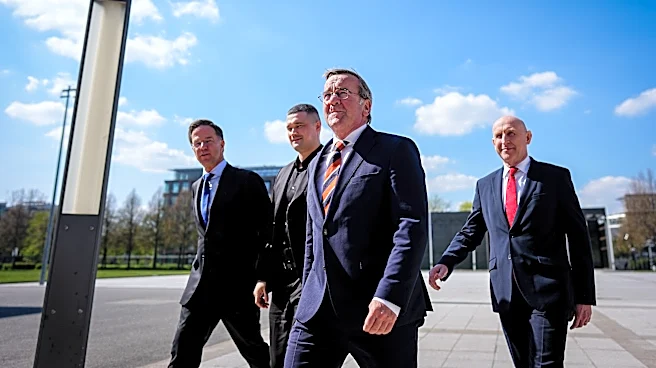
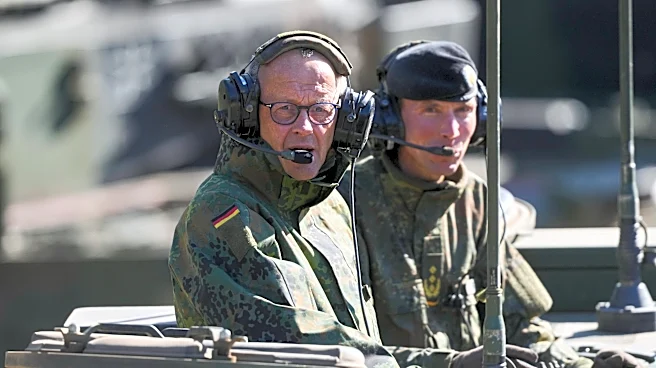
Germany's Defense Minister Boris Pistorius has urged European nations to bolster their defense capabilities following the US announcement of a planned drawdown of 5,000 troops from Germany. This decision by the Pentagon is part of a broader strategy to reduce
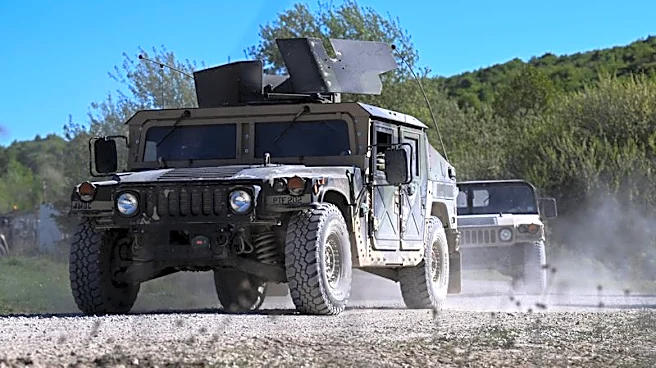
the US military presence in Europe, which has been a point of contention in transatlantic relations. The withdrawal is expected to be completed within the next six to 12 months, affecting the current US presence of nearly 40,000 soldiers in Germany. The move has prompted discussions within NATO and among European leaders about the need for Europe to take greater responsibility for its own security.
Why It's Important?
The US troop withdrawal from Germany signals a shift in transatlantic defense dynamics and raises questions about Europe's ability to ensure its own security. This development could lead to increased defense spending and military collaboration among European nations as they seek to fill the gap left by the US. The decision also comes amid ongoing geopolitical tensions, particularly with Russia, and could impact NATO's strategic posture in the region. For Germany, expanding its armed forces and enhancing military infrastructure are seen as crucial steps in adapting to the changing security landscape.
What's Next?
In response to the US troop drawdown, European countries may accelerate efforts to strengthen their defense capabilities and reduce reliance on US military support. Germany's plans to increase its active-duty soldiers and improve military procurement are likely to be closely watched by other NATO members. The situation also presents an opportunity for Europe to redefine its defense strategy and foster greater unity within the alliance. As the withdrawal unfolds, diplomatic engagements between the US and European leaders will be critical in managing the transition and addressing any security concerns.