







What's Happening?
The International Institute of Tourism Studies (IITS) at the George Washington University School of Business has been selected to lead a national cooperative agreement aimed at strengthening cultural heritage tourism for Tribal Nations, tribal organizations,
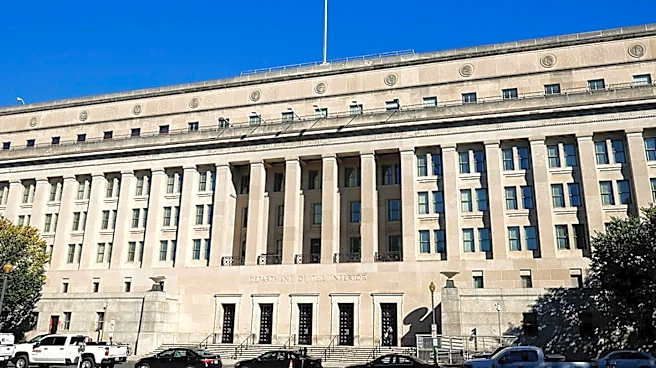
and Native Hawaiian organizations. This initiative, supported by the Bureau of Indian Affairs' Office of Indian Economic Development and the U.S. Department of the Interior, provides $1.5 million in annual funding, with the potential to reach nearly $7.5 million over five years. This marks the first time an academic institution has received this federal cooperative agreement. IITS will offer technical assistance, capacity building, and federal coordination to help Tribal Nations develop tourism in alignment with their economic, cultural, and community goals. Assistant Secretary for Indian Affairs Billy Kirkland emphasized that tribal tourism showcases rich cultures, histories, and traditions while creating jobs and strengthening local economies. The initiative will also create applied learning opportunities for GW students in areas such as Indigenous tourism planning, research, and entrepreneurship.
Why It's Important?
This national initiative is important because it directly supports the economic self-determination and cultural preservation of Tribal Nations and Native Hawaiian organizations. By fostering sustainable cultural heritage tourism, it provides a pathway for these communities to generate income, create jobs, and strengthen their local economies while simultaneously celebrating and preserving their unique heritage. The involvement of an academic institution like GW's IITS brings specialized expertise and resources to these communities, ensuring that tourism development is culturally sensitive and economically viable. This program also highlights the U.S. Department of the Interior's commitment to honoring its trust responsibilities and special commitments to American Indians, Alaska Natives, and Native Hawaiians. Furthermore, the creation of learning opportunities for GW students ensures that future professionals are trained in ethical and sustainable tourism practices, contributing to a more inclusive and respectful tourism industry.
What's Next?
The IITS will begin implementing the cooperative agreement, providing technical assistance and capacity building to Tribal Nations and Native Hawaiian organizations. This will involve working with partners such as NCGrowth at the University of North Carolina at Chapel Hill and the Center for Native American Health and Economic Development, who bring complementary expertise in tribal economic development and Indigenous entrepreneurship. The initiative will also focus on creating applied learning opportunities for GW students, who will contribute to projects as research assistants and student consultants. Over the next five years, the program aims to expand its reach, supporting more communities in developing tourism offerings that align with their values and goals. The success of this initiative could serve as a model for future collaborations between federal agencies, academic institutions, and Indigenous communities, further advancing economic development and cultural preservation efforts.
Beyond the Headlines
This initiative delves deeper than just economic development; it addresses the critical need for cultural preservation and self-determination within Indigenous communities. By empowering Tribal Nations to develop and manage their own tourism, the program helps to reclaim narratives, educate visitors about Indigenous cultures, and ensure that economic benefits directly support the communities. This approach contrasts with historical models where Indigenous cultures were often exploited for tourism without equitable returns or respect for their values. The involvement of an academic institution also signifies a shift towards more collaborative and research-backed approaches to Indigenous economic development. It underscores the ethical dimension of tourism, emphasizing that it can be a tool for empowerment and cultural pride rather than just a commercial venture. This long-term investment in tribal tourism has the potential to foster greater understanding and respect for Indigenous peoples within the broader U.S. society.