
What's Happening?
U.S. Rep. Lauren Boebert, a Windsor Republican, has publicly asserted Colorado's intention to reclaim its water rights, particularly in the context of the Colorado River dispute. Speaking at the Colorado Water Congress, Boebert emphasized her commitment
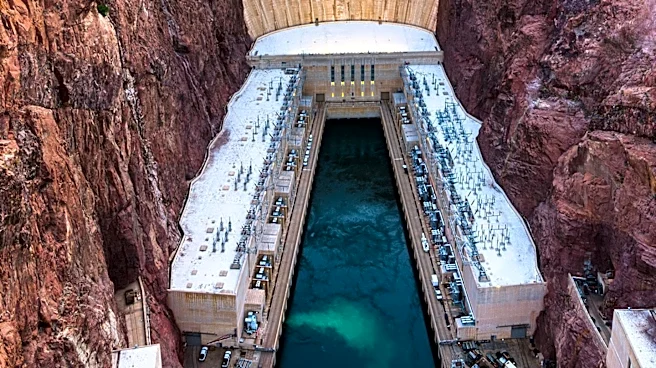
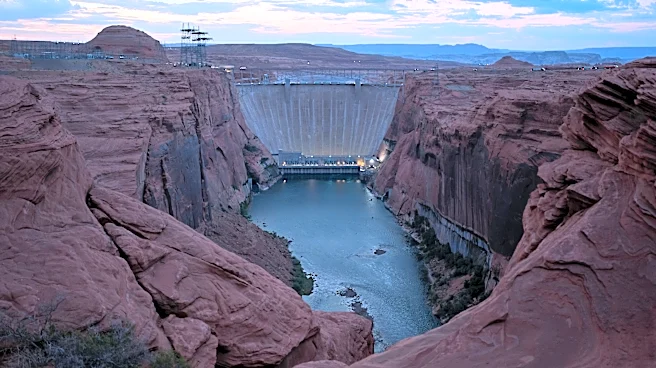
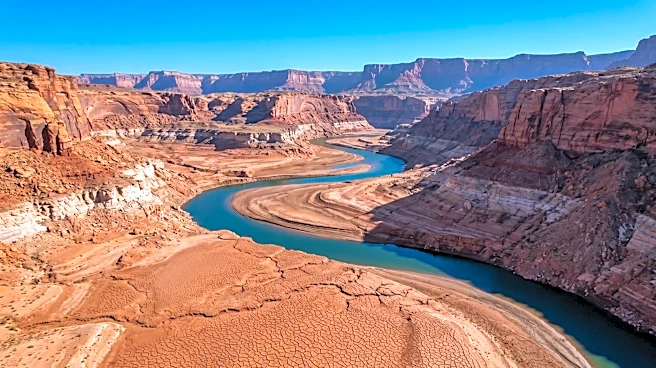
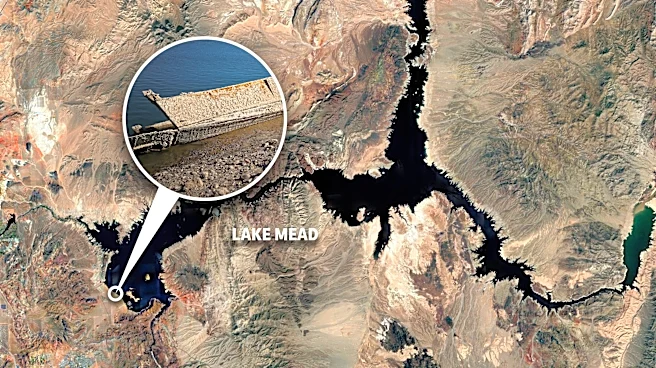
to delivering water projects for the state, focusing on storage, forest health, and the rights of the Upper Basin states. Her remarks come as the Colorado River Basin faces extreme drought conditions, with water levels in Lake Powell and Lake Mead reaching record lows. The ongoing crisis has intensified negotiations and disputes among the seven basin states, with a new federal plan potentially imposing significant water curtailments on Lower Basin states like Arizona, Nevada, and California, while sparing Colorado from federally mandated cuts. Boebert's stance aligns with other Colorado officials who are drawing a firm line against efforts that could negatively impact Colorado water users.
Why It's Important?
The dispute over Colorado River water rights carries significant implications for the U.S., particularly for the agricultural sector and the economies of the Western states. Roughly 90% of Colorado's water usage is for irrigating farms and ranches, making the agricultural industry highly vulnerable to drought conditions and water allocation changes. The current crisis, exacerbated by a long-term warming and drying trend, threatens the livelihoods of ranchers and farmers who are already facing reduced water allocations and soaring input costs. The potential for litigation between states, particularly Arizona's threat to challenge the Bureau of Reclamation's post-2026 operating guidelines, could lead to prolonged legal battles and further instability in water management. The outcome of these negotiations and potential legal challenges will determine the future of water availability for 40 million people and various industries across the Colorado River Basin.
What's Next?
The federal operating guidelines for Lakes Powell and Mead are set to expire at the end of the current year, with new guidelines needing to be finalized by October. This deadline is likely to intensify negotiations and potentially trigger legal actions, especially from Arizona, which has retained a law firm to prepare for a possible challenge against the Bureau of Reclamation's plan. Colorado officials, including Attorney General Phil Weiser and U.S. Rep. Lauren Boebert, have indicated a strong resolve to defend the state's water rights, suggesting a continued firm stance in future discussions. The ongoing drought conditions and the failure of states to reach a long-term agreement mean that hard choices regarding water usage and conservation will continue to be necessary. Stakeholders across the agricultural, environmental, and urban sectors will closely monitor these developments, as the decisions made in the coming months will shape the future of water resources in the American West.
Beyond the Headlines
The Colorado River water crisis highlights deeper issues beyond immediate water allocation, touching upon historical agreements, climate change impacts, and the sustainability of current water usage practices. The 1920s Colorado River Compact, which allocated water based on an overestimation of annual flows, is now seen as a foundational flaw contributing to the current predicament. The ongoing 'megadrought' underscores the urgent need for a reevaluation of water management strategies and a shift towards more sustainable practices, such as xeriscaping and advanced conservation methods. The conflict also reveals a growing divide between Upper and Lower Basin states, with accusations of reckless depletion and insufficient conservation efforts. This situation could lead to a redefinition of interstate water law and a greater emphasis on collaborative, innovative solutions to ensure long-term water security in the face of a changing climate. The ethical dimensions of water rights, economic development, and environmental preservation are at the forefront of this complex issue.