



What's Happening?
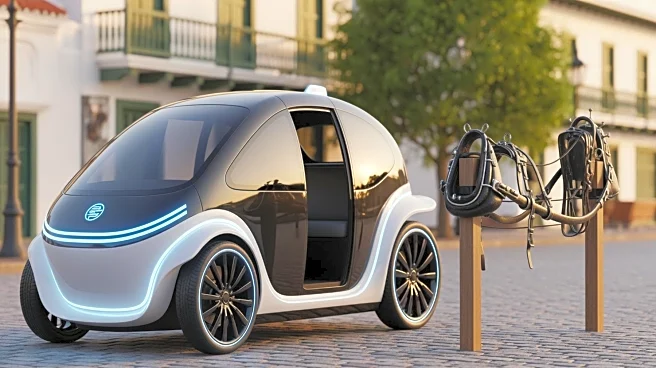
The city of Cartagena, Colombia, has begun replacing its traditional horse-drawn buggies with electric carriages. This change follows years of advocacy by animal rights activists who argued that the horses suffered from exploitation and poor health due
to the city's conditions. The new fleet of 30 electric vehicles, introduced by Mayor Domek Turbay, aims to preserve the city's cultural heritage while addressing animal welfare issues. The transition has faced opposition from traditional buggy owners, who argue that their industry is already regulated to ensure animal welfare.
Why It's Important?
This initiative reflects a growing global trend towards sustainable and ethical tourism practices. By replacing horse-drawn carriages with electric vehicles, Cartagena is positioning itself as a leader in animal welfare and environmental sustainability. The move could enhance the city's appeal to tourists who prioritize ethical travel experiences. However, the transition also raises economic concerns for traditional buggy owners, highlighting the need for policies that balance cultural preservation with modern ethical standards.
What's Next?
The city plans to introduce a total of 62 electric carriages and is building infrastructure to support their operation. Negotiations with traditional buggy owners are ongoing, as they seek compensation for their displaced businesses. The city government has offered employment opportunities to affected workers, but the integration of coach owners into the new system remains unresolved. The outcome of these negotiations will be crucial in determining the success of the transition and its acceptance by the local community.