





What's Happening?
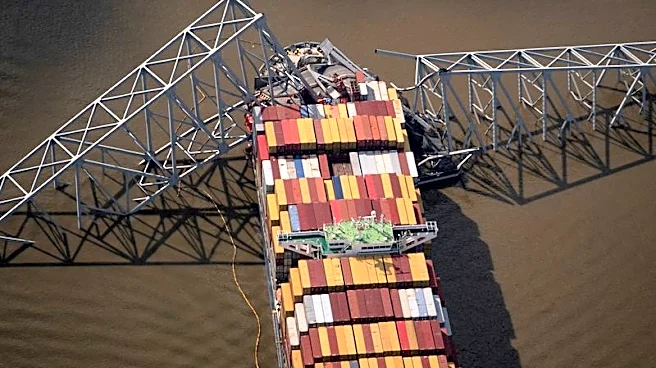
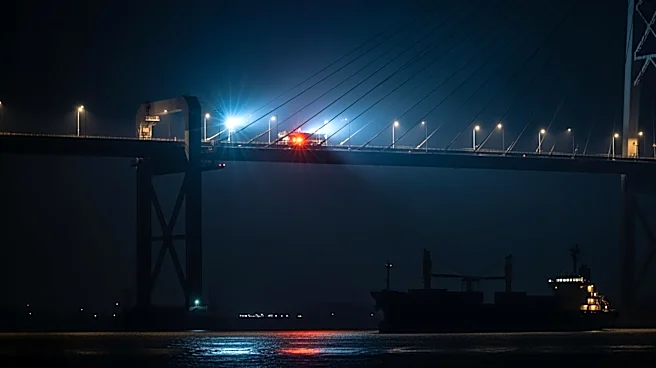
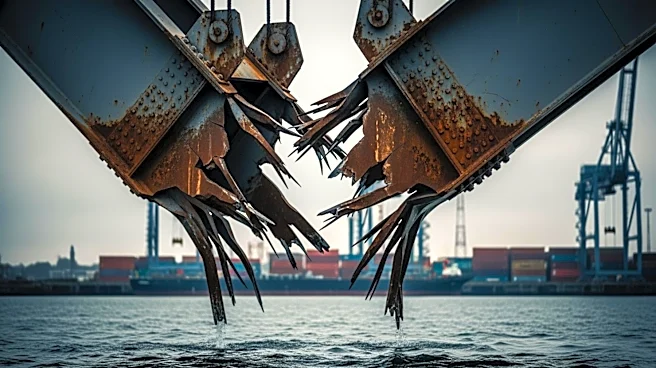
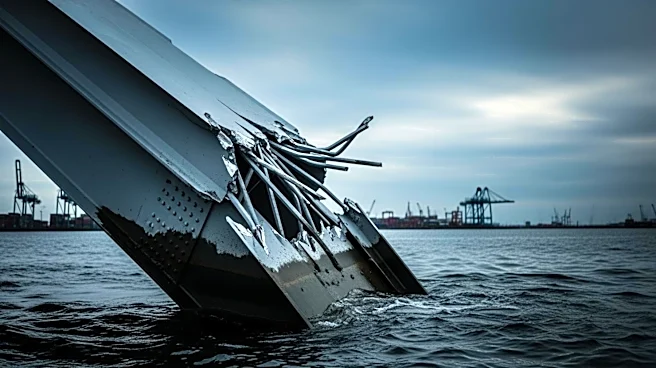
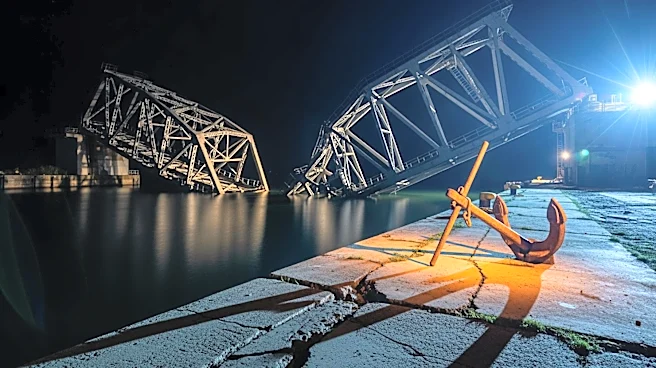
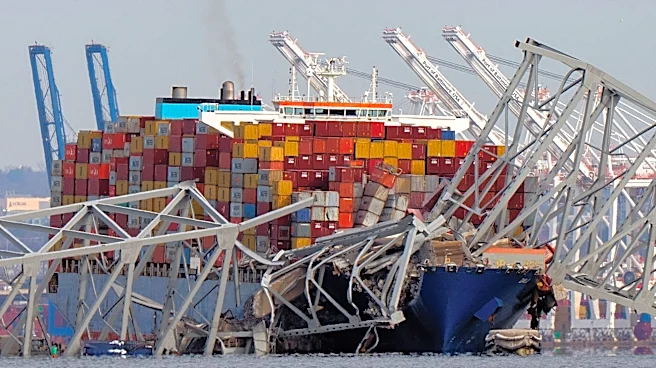
The Department of Justice has filed criminal charges against the operators of the container vessel M/V Dali, which crashed into Baltimore's Francis Scott Key Bridge in March 2024, leading to its collapse and the death of six construction workers. The indictment
names Singapore-based Synergy Marine Private Ltd. and its India-based subsidiary Synergy Maritime Private Ltd., along with Radhakrishnan Karthik Nair, the technical superintendent of the vessel. The charges include obstruction of an agency proceeding, conspiracy to defraud the U.S. government, and misconduct resulting in death. The DOJ accuses the parties of failing to report a hazardous condition and making false statements during the investigation. The incident caused over $5 billion in economic damages and environmental pollution. Synergy denies the charges, claiming the incident should be assessed through a factual and technical record.
Why It's Important?
This case highlights significant concerns about maritime safety and regulatory compliance. The charges against Synergy Marine and its affiliates underscore the potential consequences of neglecting safety protocols, which can lead to catastrophic outcomes. The economic impact of the bridge collapse was substantial, affecting shipping traffic and causing environmental damage. The case also raises questions about the accountability of international shipping companies operating in U.S. waters. The outcome of this legal battle could set a precedent for how similar cases are handled in the future, potentially leading to stricter enforcement of maritime safety regulations and greater scrutiny of foreign operators.
What's Next?
The legal proceedings will continue as the DOJ seeks to bring Radhakrishnan Karthik Nair to the U.S. to face trial. The reconstruction of the Francis Scott Key Bridge is expected to be completed by late 2030, with costs significantly exceeding initial estimates. Meanwhile, Maryland plans to pursue claims against the shipbuilder, Hyundai Heavy Industries, for its role in the incident. The outcome of these legal actions could influence future maritime safety standards and the responsibilities of shipbuilders and operators in preventing similar disasters.