








What's Happening?
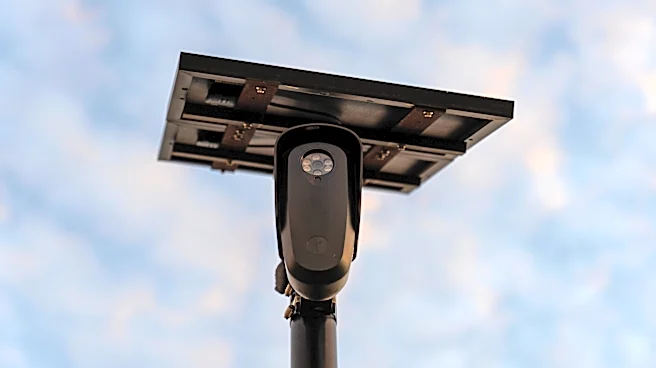
A dozen Wisconsin agencies, including the Racine County Sheriff's Office, have removed or suspended their use of Flock Safety cameras following revelations that the company retains and markets camera data beyond what was initially understood or agreed
upon. Racine County Sheriff Christopher Schmaling ordered the removal of all Flock cameras in his county after discovering the company was building a separate dataset from his cameras' images, retaining it for up to five years, and marketing it to other government and private customers. This practice contradicted the sheriff's understanding that data would be deleted after 30 days and used solely for public safety. Agencies in Fond du Lac County and the Winnebago County Sheriff's Office also suspended their programs, while Kenosha and Sheboygan have contract terminations pending before their councils. Wausau and Marathon County's contracts with Flock Safety contain similar provisions allowing the company to collect, analyze, and anonymize camera data for its own products, despite public statements from local officials indicating a 30-day data retention period.
Why It's Important?
This situation highlights significant concerns regarding data privacy, transparency, and the terms of contracts between public agencies and technology vendors. The revelation that Flock Safety retains and markets anonymized data for extended periods, even after agencies believed it was deleted, raises questions about the control and ownership of public data. For citizens, this means that vehicle information, even if anonymized, could be used for purposes beyond law enforcement, potentially impacting privacy expectations. For local governments, it underscores the critical need for thorough review and clear understanding of vendor contracts, especially concerning data handling and retention policies. The discrepancy between public statements by officials and the actual contract terms erodes public trust and accountability. This issue could lead to increased scrutiny of surveillance technology contracts nationwide and prompt other municipalities to re-evaluate their agreements with similar vendors.
What's Next?
Several Wisconsin agencies are in the process of terminating or re-evaluating their contracts with Flock Safety. Kenosha and Sheboygan have contract terminations scheduled before their councils, while Wausau has an option to terminate its contract without penalty if funds are not appropriated, a decision that could be made during the 2027 budget deliberations. The Racine County Sheriff's Office is testing a material breach argument against Flock's 'shall not sell' language in their contract. These actions could lead to legal challenges or renegotiations of existing contracts. Furthermore, this incident is likely to prompt other cities and counties across the U.S. to review their own agreements with surveillance technology providers, potentially leading to a broader re-evaluation of data retention policies and transparency requirements in such contracts. Flock Safety may face increased pressure to clarify its data handling practices and potentially revise its contract terms to address privacy concerns.
Beyond the Headlines
The controversy surrounding Flock Safety cameras extends beyond mere contract disputes; it delves into the ethical implications of pervasive surveillance and the commercialization of public data. The ability of a private company to collect, anonymize, and market data derived from public safety infrastructure raises fundamental questions about the boundaries of data ownership and usage. While anonymized data is often presented as harmless, the sheer volume and long-term retention of vehicle movement data could, in theory, be re-identified or combined with other datasets to create detailed profiles, raising concerns about potential misuse or privacy infringements. This situation also highlights the power imbalance between local government agencies and large technology companies, where complex legal clauses can obscure the true extent of data sharing. The outcome of these disputes in Wisconsin could set a precedent for how public-private partnerships in surveillance are regulated and how data privacy is protected in an increasingly monitored society.