





What's Happening?
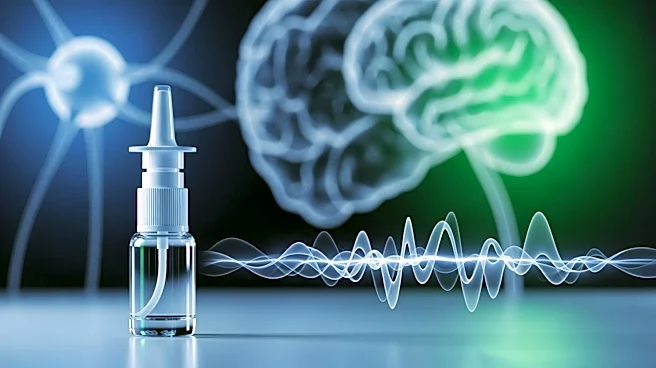
Researchers at Texas A&M University have developed a groundbreaking nasal spray that could potentially reverse brain aging and inflammation. The study, led by Dr. Ashok Shetty and his team, utilizes microscopic biological parcels known as extracellular
vesicles (EVs) to deliver genetic material directly into the brain. This non-invasive method has shown significant cognitive improvements in aging models, with effects lasting for months after just two doses. The therapy targets 'neuroinflammaging,' a chronic inflammation associated with brain fog and memory decline. The nasal spray has demonstrated universal efficacy across both sexes, a rare outcome in biomedical research. The team has filed a U.S. patent for the therapy, marking a significant step towards clinical application.
Why It's Important?
This development is significant as it offers a potential non-invasive treatment for age-related cognitive decline, a major health concern worldwide. With dementia cases projected to double in the U.S. over the next four decades, innovative solutions like this nasal spray could play a crucial role in mitigating the impact of neurodegenerative disorders. The therapy's ability to improve cognitive function and memory could enhance the quality of life for aging populations, reducing the burden on healthcare systems. Additionally, the approach could be adapted to aid stroke survivors and slow the progression of diseases like Alzheimer's, highlighting its broad applicability and potential societal impact.
What's Next?
The path to clinical trials is highly anticipated, given the therapy's non-invasive nature and effectiveness across genders. Researchers aim to further develop and scale the therapy, potentially replacing invasive procedures and long-term medication regimens. The collaboration with the National Institute on Aging underscores the importance of continued research and resource allocation to bring this therapy to market. As the team works towards successful aging, keeping individuals mentally sharp and socially engaged, the next steps will involve rigorous testing and validation in human trials to ensure safety and efficacy.
Beyond the Headlines
The implications of this research extend beyond immediate cognitive improvements. By targeting the underlying mechanisms of brain aging, the therapy could redefine how scientists approach neurodegenerative diseases. The use of EVs to bypass the blood-brain barrier represents a novel delivery method that could be applied to other neurological treatments. This breakthrough also highlights the role of interdisciplinary collaboration in advancing medical research, as well as the potential for academic institutions like Texas A&M to drive innovation in healthcare.