





What's Happening?
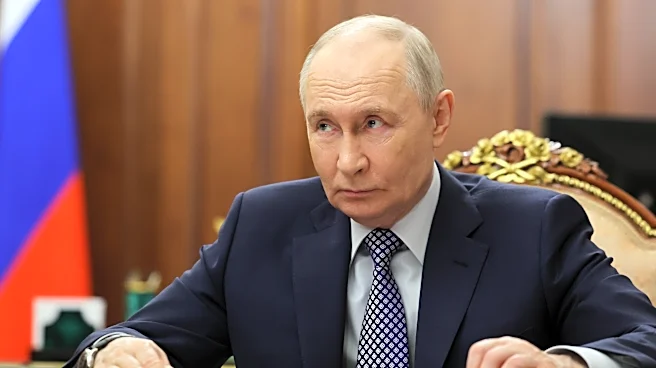
Russia and Ukraine have reached an agreement to observe a truce during the Orthodox Easter weekend. Russian President Vladimir Putin announced that Russian troops would cease fire from 16:00 local time on Saturday, April 11, through Easter Sunday. This
decision follows multiple calls for a ceasefire from Ukrainian President Volodymyr Zelensky, which had previously been ignored by the Kremlin. Putin has instructed Russian forces to be prepared to intercept any potential provocations or aggressive actions during the truce. Despite the announcement, tensions remain high, with recent incidents including a drone attack in Nikopol and a missile strike in Zhytomyr, resulting in civilian casualties.
Why It's Important?
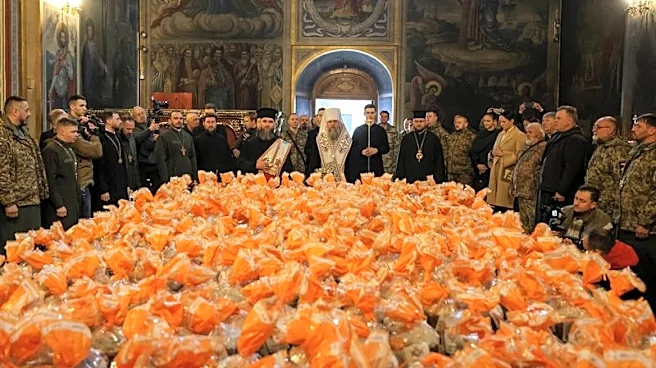
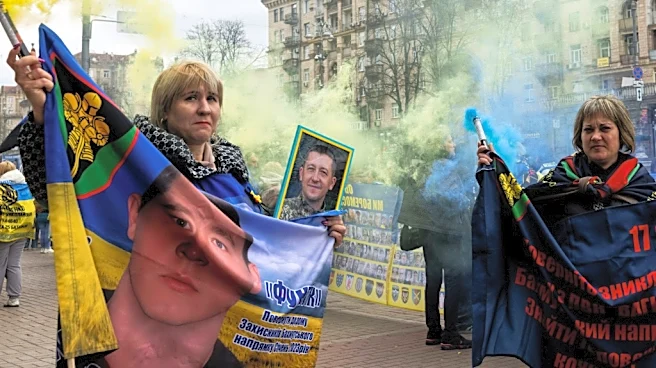
The truce is significant as it represents a temporary pause in hostilities in the ongoing conflict between Russia and Ukraine, which has seen numerous casualties and widespread destruction. The ceasefire could provide a brief respite for civilians in affected areas, allowing them to observe the religious holiday in relative peace. However, skepticism remains about the truce's durability, given the history of failed ceasefires and ongoing military actions. The international community, including the United States, has been involved in mediating talks, highlighting the global interest in resolving the conflict. The truce's success or failure could influence future diplomatic efforts and the broader geopolitical landscape in Eastern Europe.
What's Next?
If the truce holds, it could pave the way for renewed diplomatic efforts to achieve a more lasting peace agreement. However, both sides remain on high alert for potential violations, which could quickly escalate back into active conflict. The international community will likely continue to monitor the situation closely, with potential implications for sanctions, military aid, and diplomatic relations. The outcome of this truce could also impact domestic politics in both Russia and Ukraine, influencing public opinion and government strategies moving forward.