






What's Happening?
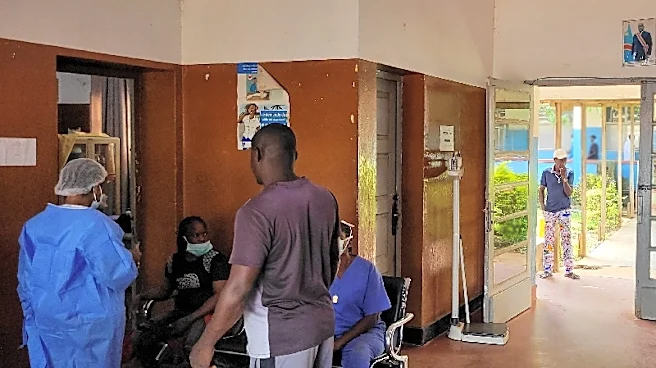
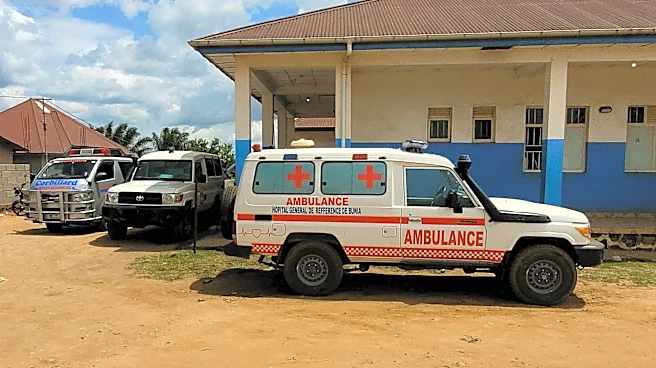
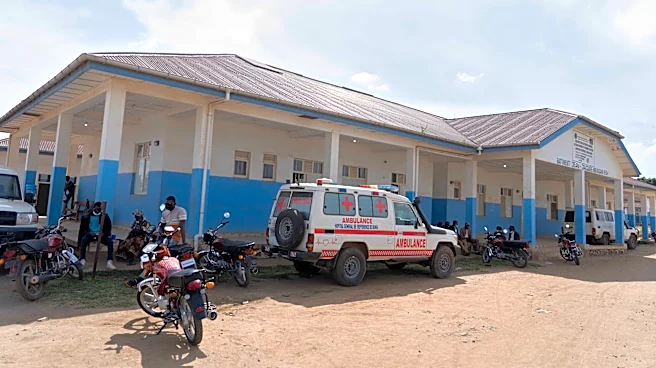
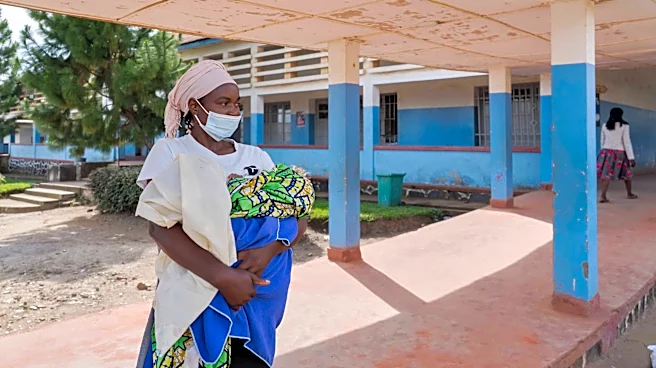
A rare strain of the Ebola virus has infected an American doctor in the Democratic Republic of the Congo, as the outbreak continues to spread across the country and into neighboring Uganda. The World Health Organization (WHO) has declared the outbreak a public health
emergency of international concern. Over 300 suspected cases and 118 deaths have been reported in the Ituri and North Kivu provinces, with additional fatalities in Uganda. The virus spread undetected for weeks due to initial testing errors. The U.S. Centers for Disease Control and Prevention (CDC) has confirmed the infection and is working to evacuate other potentially exposed individuals for monitoring.
Why It's Important?
The infection of an American doctor underscores the global implications of the Ebola outbreak and the need for robust international health response mechanisms. The declaration of a global health emergency by the WHO highlights the urgency of the situation and the potential for widespread impact if not contained. The outbreak poses significant challenges for public health systems, particularly in regions with limited healthcare infrastructure. The involvement of an American citizen may prompt increased U.S. engagement and resources to address the crisis, influencing public health policies and international aid strategies.
What's Next?
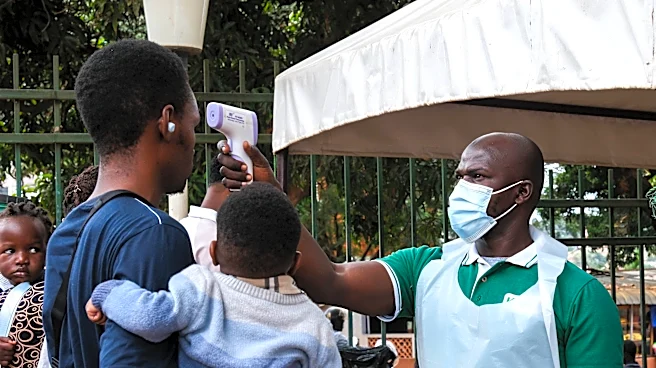
The CDC and other international health organizations are likely to intensify their efforts to contain the outbreak, including deploying personnel and resources to affected areas. The U.S. may implement additional travel advisories and health screenings to prevent the virus from spreading further. Ongoing monitoring and collaboration between international health agencies and local governments will be crucial in managing the outbreak effectively.