








What's Happening?
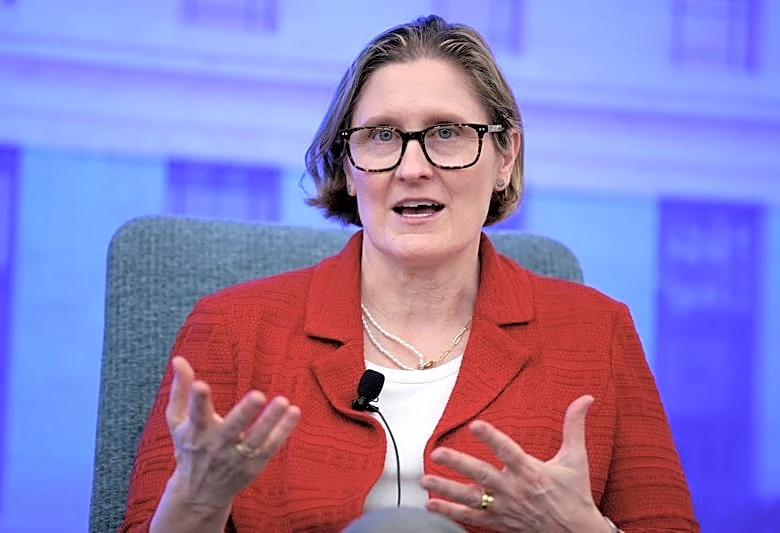
Douglas County, Oregon, is experiencing economic challenges characterized by minimal population growth, an aging workforce, and a scarcity of housing options for first-time buyers. Economist Dr. Christopher Thornberg, a founding partner of Beacon Economics,
addressed these issues at the Roseburg Chamber’s 2027 Economic Forecast. He noted that employment in Douglas County remains below pre-pandemic levels, with manufacturing showing weakness due to a glut of lumber and shifts in consumer preferences. Dr. Thornberg highlighted that low mortgage rates are contributing to a stagnant housing market, as current homeowners are reluctant to sell and give up their favorable rates, thereby limiting inventory for new buyers. He suggested that local manufacturers could find growth by producing more finished wood products, including engineered materials for larger buildings. Additionally, he identified potential growth areas in tourism, freight and distribution along Interstate 5, and Roseburg's role as a regional center for healthcare and retail.
Why It's Important?
The economic conditions in Douglas County, as outlined by Dr. Christopher Thornberg, are indicative of broader challenges faced by many rural U.S. communities. The stagnant population growth and aging workforce can lead to a decline in economic vitality and a reduced tax base, impacting public services and infrastructure. The housing shortage, particularly for first-time buyers, creates a barrier to attracting and retaining younger residents and new employers, which is crucial for long-term economic sustainability. The weakness in the manufacturing sector, specifically timber, underscores the need for diversification and innovation in local industries. Dr. Thornberg's suggestions for local manufacturers to focus on finished wood products and engineered materials could provide a pathway for economic revitalization by adding value to existing resources and creating new job opportunities. The emphasis on tourism, freight, and healthcare also points to the importance of leveraging regional assets to foster economic resilience and growth.
What's Next?
To address the economic challenges, Dr. Thornberg suggested several potential next steps for Douglas County. He recommended that local governments consider policies that encourage more construction, such as allowing more townhomes and tying development fees to the size of a home, rather than imposing flat fees that can disincentivize smaller, more affordable housing projects. This approach aims to increase housing supply and affordability, making the county more attractive to younger families and new residents. Furthermore, there is an opportunity for local manufacturers to pivot towards producing more finished wood products and engineered materials, which could stimulate the manufacturing sector and create higher-value jobs. The county could also focus on enhancing its roles in tourism, freight and distribution, and healthcare to diversify its economic base. Addressing the shortage of skilled trades workers, particularly electricians and heating/cooling technicians, will be crucial for supporting both new construction and industrial growth.
Beyond the Headlines
The issues in Douglas County extend beyond immediate economic indicators, touching upon fundamental aspects of community development and quality of life. The concentration of population growth among older residents and the decline in the number of children highlight demographic shifts that can strain social services and educational systems. Dr. Thornberg's emphasis on housing supply being linked to quality of life underscores the ethical dimension of ensuring accessible and affordable living options for all residents. The discussion around attracting younger residents to rural communities and training for skilled trades points to a broader national challenge of workforce development and retaining talent in non-urban areas. The potential for local manufacturers to innovate in wood products also reflects a cultural shift towards valuing sustainable and engineered materials. Addressing these interconnected issues requires a holistic approach that considers economic incentives, urban planning, educational investment, and community engagement to foster a vibrant and sustainable future for Douglas County.