



What's Happening?
Democratic Rep. Jared Golden, alongside Republican Rep. Jack Bergman, Democratic Rep. Don Davis, and Republican Rep. Jeff Van Drew, has introduced the 'SMILE for Veterans Act.' This proposed legislation aims to establish a pilot program designed to broaden
access to affordable dental care for veterans residing in rural communities. The bill seeks to achieve this by reimbursing existing community dental providers in these areas, rather than creating a new Veterans Affairs (VA) system. Currently, only about 15% of veterans enrolled in VA services are eligible for VA dental care. The initiative is supported by lawmakers and organizations like the National Rural Health Association, who highlight the significant barriers veterans in rural areas face in accessing dental services. The bill intends to leverage local providers to address these unmet needs.
Why It's Important?
The introduction of the SMILE for Veterans Act is significant for several reasons. It addresses a critical gap in healthcare access for a vulnerable population: veterans in rural areas. Many veterans, particularly those outside major urban centers, struggle to obtain necessary dental care due to geographical distance, limited providers, and eligibility restrictions within the current VA system. By proposing a pilot program that reimburses community dental providers, the bill offers a pragmatic solution that could significantly improve the oral health and overall well-being of these veterans. This bipartisan effort also underscores a shared commitment across political divides to support veterans' healthcare needs. Improved dental care can lead to better overall health outcomes, reduced healthcare costs in the long run, and an enhanced quality of life for those who have served the nation.
What's Next?
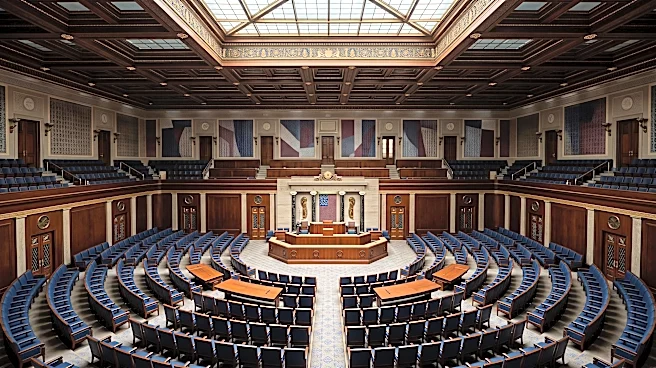
The SMILE for Veterans Act will now proceed through the legislative process in the House of Representatives. It will likely be assigned to relevant committees for review, debate, and potential amendments. Supporters of the bill, including the bipartisan group of lawmakers and organizations like the National Rural Health Association, will likely advocate for its passage. The next steps will involve committee hearings, where experts and stakeholders may provide testimony on the need for expanded dental care for veterans and the efficacy of the proposed pilot program. If it successfully passes through committee, it would then be brought to a vote on the House floor. Its ultimate success will depend on continued bipartisan support and its ability to garner sufficient votes in both the House and the Senate.
Beyond the Headlines
Beyond the immediate impact on veterans' dental care, the SMILE for Veterans Act highlights a broader challenge in U.S. healthcare: the disparity in access to specialized medical services in rural areas. The bill's approach of utilizing existing community providers rather than building new federal infrastructure could serve as a model for addressing other healthcare access issues in underserved regions. This strategy acknowledges the strengths of local healthcare ecosystems and seeks to integrate them into federal programs, potentially fostering more efficient and community-centric healthcare solutions. Furthermore, the bipartisan nature of this initiative could signal a willingness among lawmakers to collaborate on practical solutions for pressing social issues, even amidst broader political divisions, offering a glimmer of hope for future cross-party cooperation on critical national concerns.