






What's Happening?
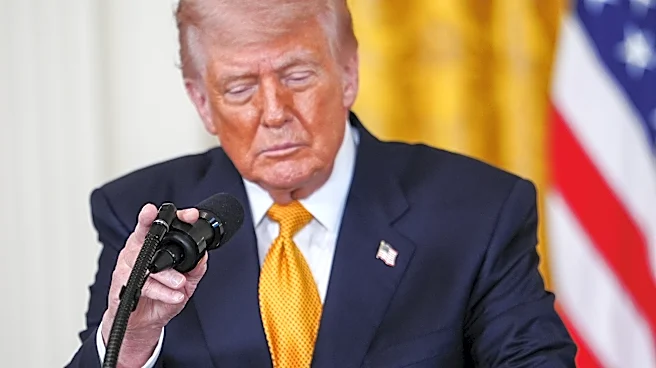
President Trump has announced that he expects to receive a response from Iran regarding a proposed peace deal aimed at ending hostilities in the region. The proposal includes easing U.S. sanctions in exchange for Iran halting its uranium enrichment and
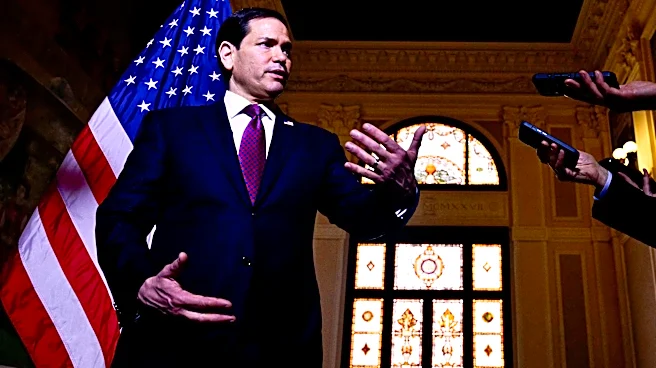
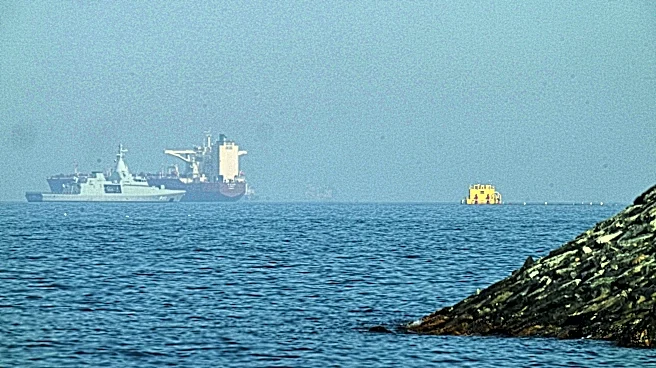
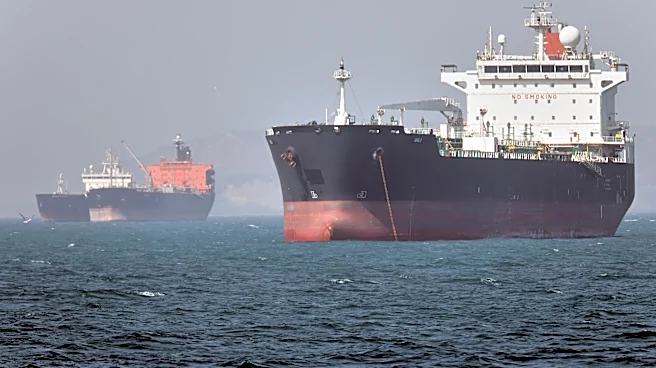
reopening commercial shipping routes through the Strait of Hormuz. Secretary of State Marco Rubio has indicated that the U.S. is awaiting Iran's response, which could lead to a serious negotiation process. The memorandum of understanding is expected to serve as the foundation for a broader treaty to be negotiated later. Key issues include the fate of Iran's enriched uranium stockpile and the conditions under which Iran might resume enrichment activities in the future.
Why It's Important?
The proposed peace deal is significant as it could lead to a de-escalation of tensions in the Persian Gulf, potentially stabilizing global oil markets and improving regional security. However, the deal's success depends on Iran's willingness to comply with the terms and the U.S.'s ability to enforce them. The outcome of these negotiations could impact U.S. foreign policy and its relations with allies, particularly in the Middle East. The deal also has domestic political implications for the Trump Administration, which faces pressure to demonstrate progress in resolving international conflicts.
What's Next?
If Iran responds positively, in-person talks could resume in Pakistan as early as next week. The U.S. will likely push for strict verification measures and may seek additional concessions from Iran. The Trump Administration will need to navigate complex diplomatic challenges to secure a lasting agreement. The response from Iran and the subsequent negotiations will be closely watched by international stakeholders, as they could set a precedent for future diplomatic efforts in the region.