





What's Happening?
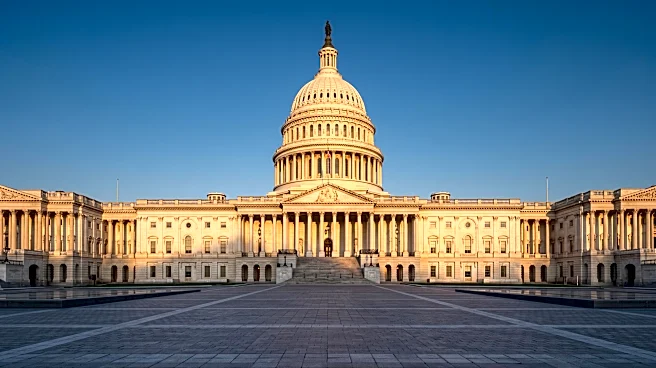
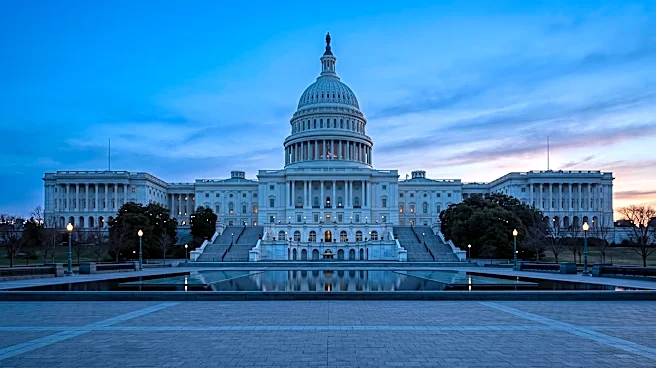
The U.S. House Energy and Commerce Committee's Communications and Technology Subcommittee has approved the bipartisan Guarding the U.S. Against Adversarial Robotics Dominance (GUARD) Act. This legislation mandates national security reviews for robots
manufactured by China or other foreign adversaries. Any robots identified as posing an unacceptable national security risk would be prohibited from entering the United States. The bill, introduced in June by House China Committee Chairman John Moolenaar, Republican Representative Jay Obernolte, and Democratic Representative Jennifer McClellan, has garnered bipartisan support. It requires national security agencies to assess humanoid and quadruped robots from adversarial nations for potential vulnerabilities, such as backdoors for espionage or remote interference. Products deemed risky, or those not reviewed within one year, will be added to the Federal Communications Commission's (FCC) Covered List, effectively banning their import. Organizations like the Association for Uncrewed Vehicle Systems International (AUVSI), Agility Robotics, and the Foundation for Defense of Democracies (FDD) have expressed support for the act.
Why It's Important?
This legislation is a significant step in addressing growing concerns about national security and economic competition with foreign adversaries, particularly China, in the rapidly evolving field of robotics. By requiring national security reviews and potentially banning certain foreign-made robots, the U.S. aims to protect critical infrastructure, sensitive data, and domestic industries from potential espionage, sabotage, and unfair competition. Representative Moolenaar emphasized that the GUARD Act seeks to level the playing field in the U.S.-China robotics competition and ensure the U.S. maintains a world-leading domestic robotics industry. The act highlights the dual-use nature of advanced technologies, where seemingly innocuous products can pose significant security risks through data collection or remote manipulation. This move could also stimulate domestic innovation and manufacturing in the robotics sector, reducing reliance on foreign supply chains and bolstering U.S. technological leadership.
What's Next?
Following its approval by the subcommittee, the GUARD Act will now proceed to the full House Energy and Commerce Committee for further consideration. If it passes through this committee, it will then be sent to the entire House of Representatives for a vote. Should it pass the House, the bill would then need to be approved by the Senate in an identical version and subsequently signed into law by the President to take effect. The legislative process can be lengthy, and some bills may be incorporated into larger legislative packages. The act's implementation would involve national security agencies conducting detailed assessments of foreign-made robots, and the FCC maintaining a list of prohibited products. The one-year deadline for reviews means that if a product is not assessed within that timeframe, it will automatically be added to the prohibited list, creating a clear incentive for timely evaluations.
Beyond the Headlines
The GUARD Act reflects a broader strategic shift in U.S. policy towards technological competition and national security, particularly concerning China. Beyond the immediate goal of securing the robotics sector, this legislation underscores a growing recognition of the interconnectedness of economic competitiveness and national security in the digital age. The focus on potential 'backdoors' and data vulnerabilities in advanced technologies highlights the evolving nature of threats, moving beyond traditional military hardware to include civilian applications with strategic implications. This legislative effort could set a precedent for how the U.S. regulates other emerging technologies from adversarial nations, potentially leading to a more comprehensive framework for vetting foreign tech products. It also raises questions about the balance between fostering global technological collaboration and safeguarding national interests, as well as the potential for retaliatory measures from affected countries.