








What's Happening?
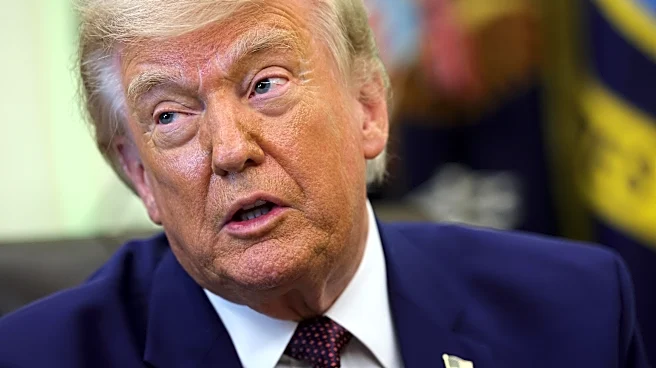
The concept of a K-shaped economy, where the wealthy experience financial growth while the non-wealthy face economic decline, has been exacerbated by President Trump's policies. Under his administration, tax cuts have favored the richest 1%, while cuts to
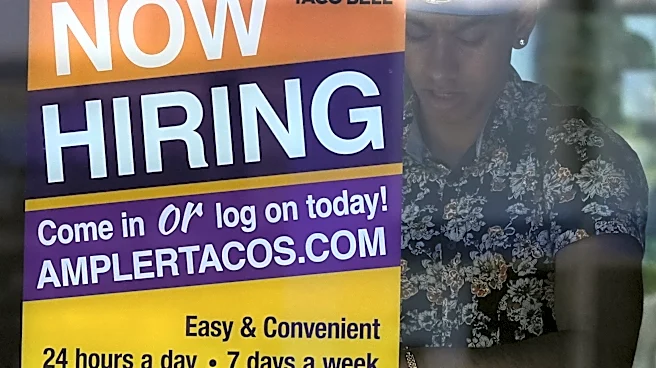
Medicaid and food assistance have impacted lower-income Americans. The Consumer Financial Protection Board has been weakened, reducing protections against predatory financial practices. Despite a booming stock market, the benefits are largely felt by the wealthiest, as the richest 10% own the majority of stocks. Meanwhile, inflation and rising gas prices have disproportionately affected lower-income households. Trump's administration has also been criticized for not raising the federal minimum wage and for actions perceived as anti-union, further widening the economic gap.
Why It's Important?
The widening economic disparity under President Trump's administration highlights significant challenges in addressing income inequality in the U.S. The policies that favor the wealthy could lead to increased social and economic tensions, as a large portion of the population struggles with stagnant wages and rising living costs. The lack of wage growth and increased cost of living could result in decreased consumer spending among lower-income groups, potentially slowing economic growth. Additionally, the perception of economic policies favoring the rich could influence public opinion and voter behavior, impacting future elections and policy decisions.