


What's Happening?
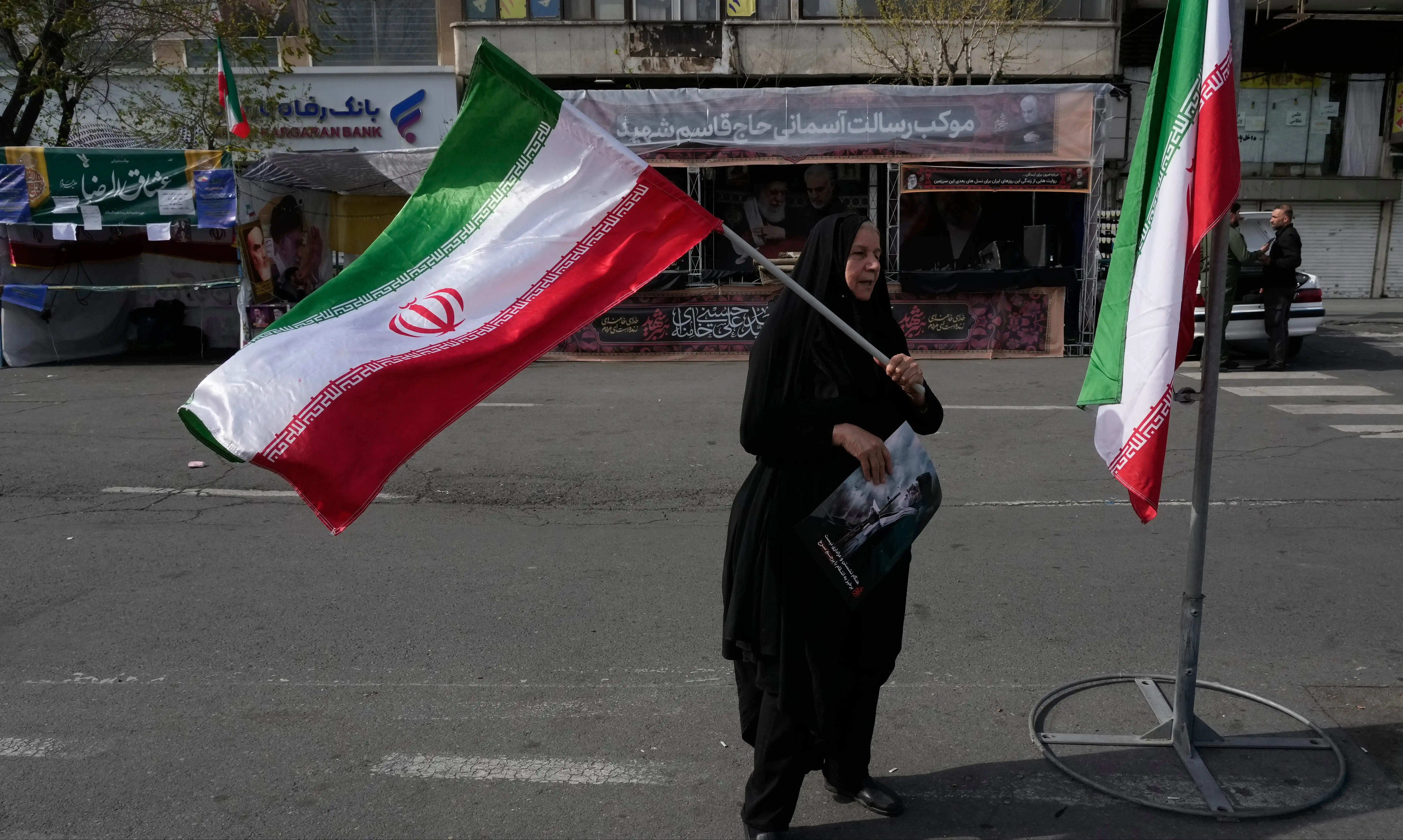
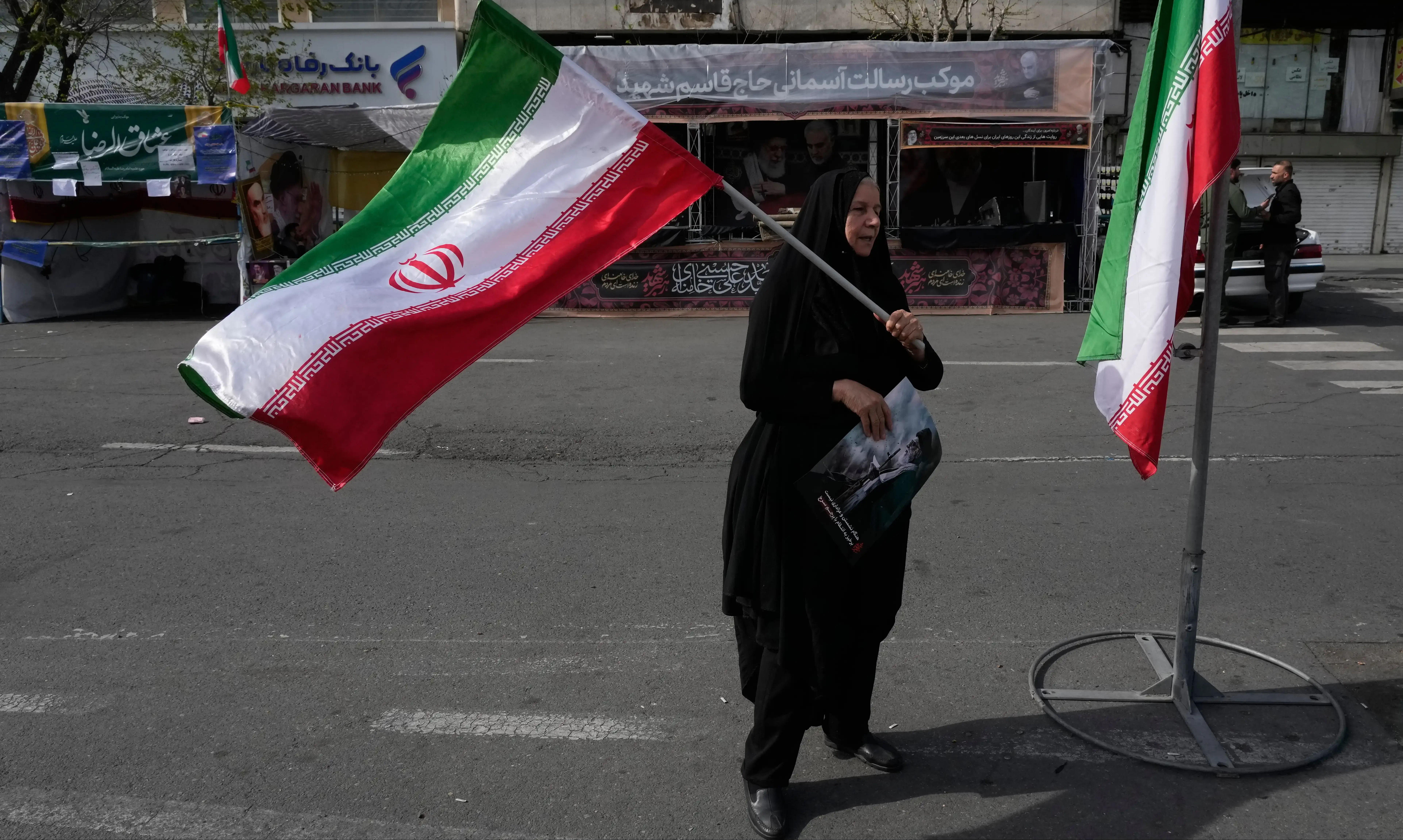
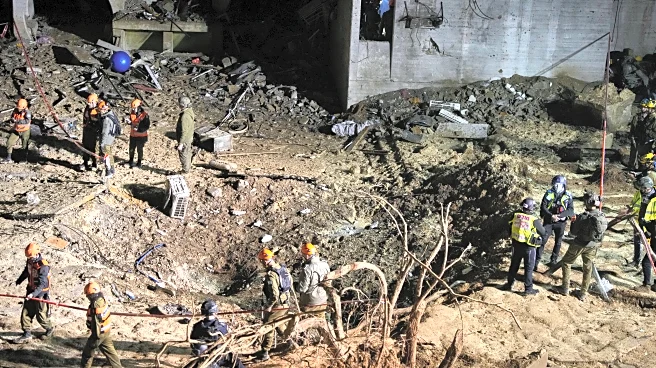
The U.S. and Israel have reportedly engaged in military strikes with Iran, targeting nuclear facilities. This development comes amid heightened tensions in the Middle East, with disruptions in the Strait of Hormuz causing fuel prices to rise. The situation
has led to significant economic impacts, including a major airline cutting flights due to increased costs. President Trump has also threatened to deploy ICE agents to airports to address long security delays as the partial government shutdown continues.
Why It's Important?
The military exchanges between the U.S., Israel, and Iran could escalate into a broader conflict, affecting global security and economic stability. The Strait of Hormuz is a critical chokepoint for global oil supply, and disruptions there can have far-reaching economic consequences. The ongoing government shutdown adds to domestic challenges, potentially impacting public services and economic activities. These developments could influence U.S. foreign policy and domestic political dynamics.
What's Next?
Further military actions or diplomatic efforts could shape the future of U.S.-Iran relations. The international community may call for de-escalation to prevent a larger conflict. Domestically, the government shutdown's resolution will be crucial in addressing economic and security concerns. Stakeholders, including political leaders and businesses, will likely respond to these challenges with strategic adjustments.