



What's Happening?
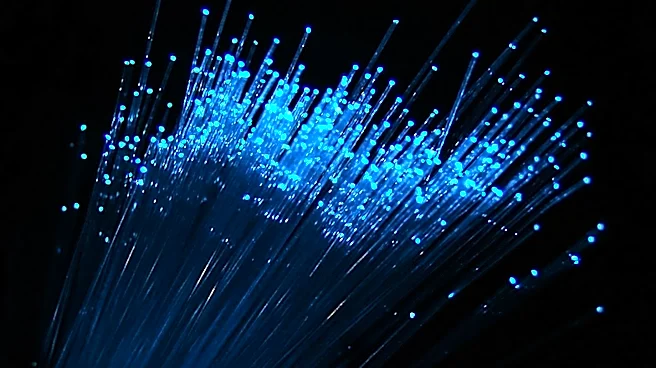
The Mesa City Council has approved a five-year license, with renewal options, for MMR Fiber Solutions Communications, LLC. This agreement permits the company to begin installing, operating, and maintaining its dark fiber network beneath city streets.
The decision, made during a recent council meeting, followed extensive discussions regarding the implications of fiber trenching. Vice Mayor Scott Somers expressed concerns about repeated street excavations in areas like Elliot to Signal to Germann, which have recently undergone significant infrastructure improvements. Despite these concerns, the council moved forward with the license, acknowledging the city's ongoing efforts to expand high-speed internet access. Ian Linssen, Emerging Technology chief, noted the prevalence of fiber installation, referring to it as 'fiber fatigue,' but also highlighted it as a positive indicator of growth and activity within Mesa. The installation will primarily occur in southeast Mesa, eventually connecting to the Elliot Road Technology Corridor.
Why It's Important?
This approval is a significant step in Mesa's broader 'Fiber to the Premise Initiative,' launched in 2022, which aims to connect 264,000 premises and 2,470 streets with the fastest internet speeds. The expansion of dark fiber infrastructure is crucial for enhancing digital connectivity, supporting economic development, and attracting new businesses to the region. Improved internet access can boost local commerce, facilitate remote work, and provide residents with better educational and entertainment opportunities. The competitive market for fiber installation, with companies like Cox Communications, Google Fiber, Lumen, and Gigapower already operating in Mesa, indicates the city's attractiveness as a market for technological investment. This competition is expected to drive innovation and potentially lower costs for consumers, making high-speed internet more accessible and affordable. The project underscores Mesa's commitment to becoming a digitally advanced city, which can lead to long-term economic benefits and improved quality of life for its residents.
What's Next?
MMR Fiber Solutions Communications, LLC is set to begin the installation of its dark fiber network in southeast Mesa, with the project expected to extend to the Elliot Road Technology Corridor. City staff anticipate that residential fiber installation across Mesa will take another two years to complete. The city is also working on improving public communication regarding private construction projects, including fiber installations, to keep residents informed about ongoing work in their neighborhoods. This initiative aims to mitigate the 'fiber fatigue' experienced by residents due to frequent street excavations. The continued expansion of fiber networks by multiple providers suggests an ongoing period of infrastructure development and competition in Mesa's telecommunications sector. Residents can expect to see more trenching activities as these projects progress, ultimately leading to enhanced internet services throughout the city.
Beyond the Headlines
The proliferation of fiber optic networks in Mesa highlights a broader national trend towards ubiquitous high-speed internet access, driven by both public initiatives and private sector investment. While the immediate benefit is faster internet for residents and businesses, the long-term implications include fostering a more robust digital economy, supporting smart city initiatives, and potentially narrowing the digital divide. The 'fiber fatigue' mentioned by city officials points to the challenge of balancing rapid infrastructure development with minimal disruption to daily life. This tension between progress and inconvenience is a common theme in urban development. Furthermore, the competitive landscape among multiple fiber providers in Mesa reflects a dynamic market where companies are vying for market share, which could lead to innovative service offerings and more competitive pricing for consumers. This investment in digital infrastructure is foundational for future technological advancements and economic resilience.