


What's Happening?
Randy Villegas, the Democratic challenger for California’s 22nd Congressional District, is advocating for a one-year moratorium on new data centers in the San Joaquin Valley. This call comes in response to growing community concerns and a broader national
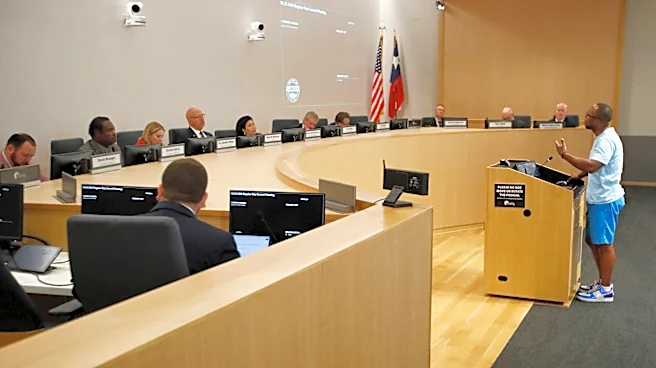
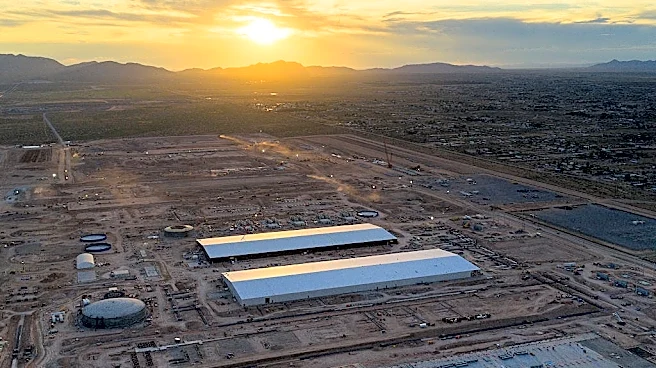
debate regarding the environmental and economic impacts of data centers. Villegas, who is challenging Republican Representative David Valadao, has released a platform outlining measures for greater congressional oversight of data centers. His five-point plan includes requiring data centers to pay the full cost of electricity, protecting water resources, utilizing union labor for construction, funding local schools with revenue generated by data centers, and regulating how corporations use data and artificial intelligence. The proposal follows a town hall in Bakersfield where Villegas discussed his plans, and it addresses local skepticism surrounding projects like those proposed by Global Stack LLC, which refers to its facilities as 'resilience' systems rather than data centers.
Why It's Important?
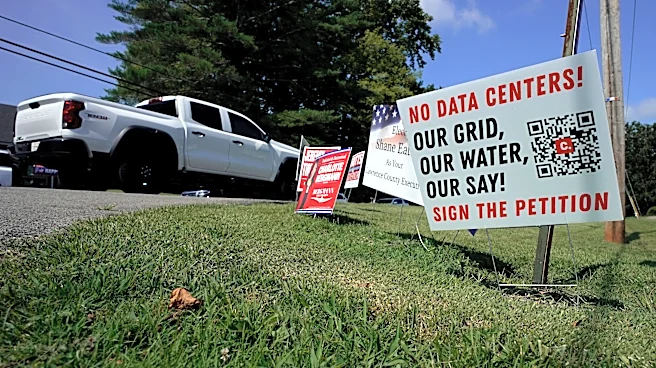
Villegas's proposal is significant because it addresses a burgeoning issue at the intersection of technology, environmental concerns, and local governance. The rapid expansion of data centers, driven by increasing digital demands, raises critical questions about resource consumption, particularly water and electricity, in regions already facing environmental challenges like groundwater depletion. The San Joaquin Valley, grappling with the Sustainable Groundwater Management Act, is particularly sensitive to water usage. By calling for a moratorium and outlining specific regulatory measures, Villegas is attempting to empower local communities and ensure that the economic benefits of technological development do not come at the expense of environmental sustainability or community well-being. This initiative could set a precedent for how other regions approach the regulation of data centers, potentially influencing national policy discussions on infrastructure development, resource management, and the oversight of large tech corporations.
What's Next?
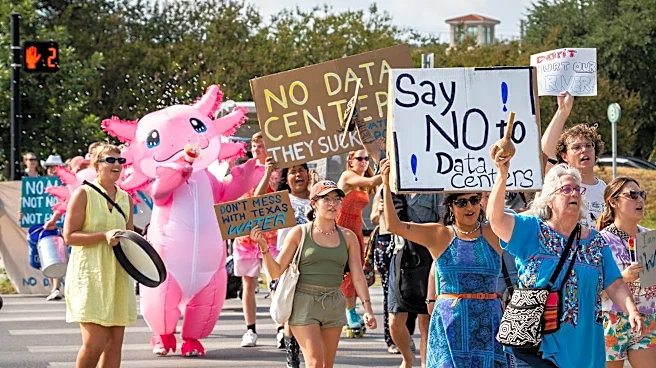
The call for a moratorium on data centers is likely to become a significant point of discussion in the California’s 22nd Congressional District election. Randy Villegas will continue to campaign on this platform, emphasizing community protection and responsible development. Representative David Valadao will need to articulate his stance on data center development and address the concerns raised by his challenger and local residents. The Tulare County Fairgrounds Board is expected to receive more details from Global Stack LLC in January, which will likely reignite local debates and protests. City councils, such as Hanford's, have already indicated a cautious approach to data center proposals, suggesting that future developments will face increased scrutiny. The broader implications of this debate could lead to more stringent regulations for data centers at local, state, and potentially federal levels, as communities across the country grapple with similar issues.
Beyond the Headlines
The debate over data centers in the Central Valley highlights a deeper tension between technological advancement and local community interests. The euphemistic labeling of data centers as 'resilience' systems by companies like Global Stack LLC underscores a potential lack of transparency and an attempt to mitigate public opposition. This situation raises ethical questions about corporate responsibility and the right of communities to control development within their borders. The involvement of environmental activists like Erin Brockovich in tracking data center expansion further amplifies the environmental justice dimension of this issue, suggesting that the impacts of these facilities disproportionately affect certain communities. The call for union labor and funding for local schools also points to a desire for equitable distribution of economic benefits from new industries. This local struggle reflects a national challenge of balancing economic growth, technological progress, and the preservation of environmental and social well-being.