

What's Happening?
North Dakota farmers are facing increased risks this year as the U.S. Department of Agriculture's Risk Management Agency has removed a key crop insurance option. This option, known as the 'prevented planting' coverage, allowed farmers to receive insurance payouts
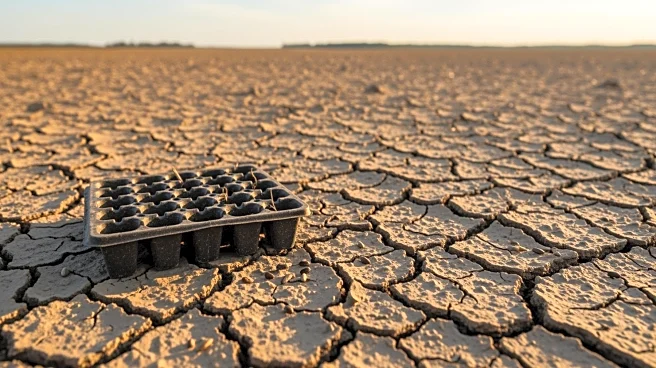
when adverse weather conditions prevented them from planting crops. Historically, farmers could pay an additional premium for a higher level of this coverage, which has been particularly beneficial in North Dakota due to its challenging planting conditions. The removal of this option comes despite the One Big Beautiful Bill Act, which expanded federal crop insurance in other areas. The decision has been met with disappointment from local agricultural leaders, including Matt Perdue, president of the North Dakota Farmers Union. The change is set for 2026, and a group of senators, including Sen. John Hoeven, R-N.D., has appealed to Agriculture Secretary Brooke Rollins to reconsider the decision for future years.
Why It's Important?
The removal of the extra prevented planting insurance option is significant as it directly impacts the financial security of farmers in North Dakota and other states with similar planting challenges. The state has historically benefited from this insurance, receiving $3.18 billion in payments from 2010 to 2024. Without this option, farmers are more vulnerable to financial losses due to weather-related planting disruptions. This change could lead to increased financial strain on farmers, potentially affecting crop production and the agricultural economy in the region. The decision also highlights the broader issue of how federal agricultural policies can significantly impact local farming communities, especially in areas with unique environmental challenges.
What's Next?
Farmers in North Dakota and other affected states are likely to continue advocating for the reinstatement of the extra prevented planting coverage. The March 15 deadline for crop insurance purchases is approaching, and farmers must decide on their insurance strategies without this option. There is hope that pushback from various states might influence the USDA to reconsider its decision. Additionally, the letter from senators to the Agriculture Secretary suggests that there may be legislative efforts to address this issue in the future. Farmers and agricultural organizations will likely continue to monitor and respond to policy changes that affect their risk management options.