




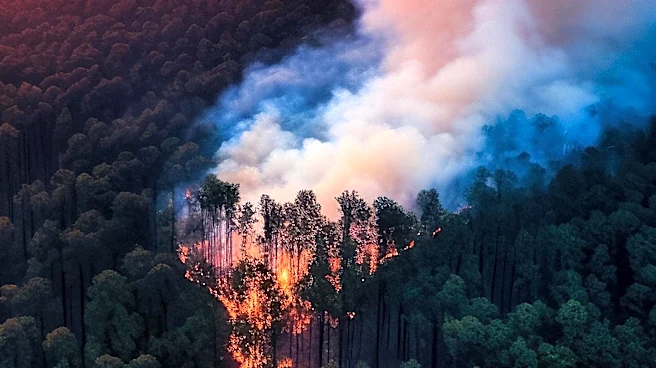
What's Happening?
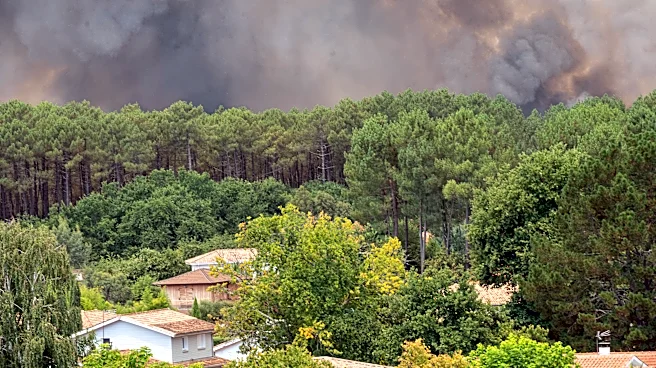
Wildfires in southwest France have necessitated a change in the final stage of the Tour de France, originally planned for a 132.5-kilometer ride from Thoiry to the Champs-Elysees in Paris. The Amaury Sport Organisation announced that the route has been
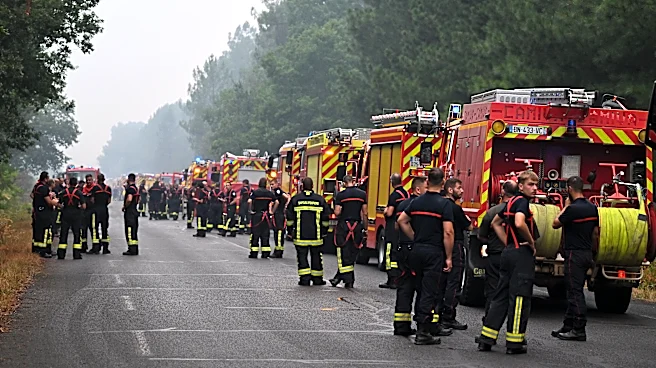
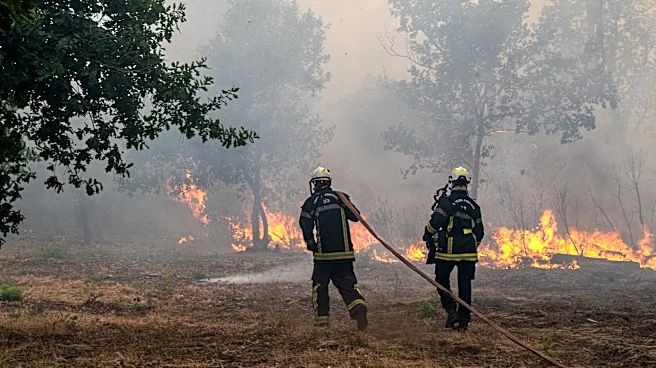
altered to accommodate emergency services, which are currently focused on combating the blazes in the Gironde region. The revised route will now be confined within Paris, covering 89 kilometers and including additional circuits along the Champs-Elysees before a climb on Montmartre. This decision comes as approximately 200,000 people have been evacuated due to the fires, and internal security forces have been redirected to assist in the emergency response.
Why It's Important?
The rerouting of the Tour de France highlights the severe impact of wildfires on major events and public safety. The decision underscores the priority of allocating resources to emergency services over sporting events, reflecting the broader challenges posed by climate-related disasters. The situation affects not only the logistics of the race but also the local economy and tourism, as the Tour de France is a significant event attracting global attention. The need to adapt to such emergencies may prompt future considerations for event planning and resource allocation in regions prone to natural disasters.
What's Next?
As the Tour de France concludes with its adjusted route, attention will likely shift to the ongoing wildfire management and recovery efforts in the affected regions. Authorities may evaluate the effectiveness of their response and consider long-term strategies to mitigate the impact of such events. The cycling community and event organizers might also explore contingency plans for future races to ensure safety and minimize disruptions. Additionally, the situation could influence discussions on climate change policies and emergency preparedness at both national and international levels.