




What's Happening?
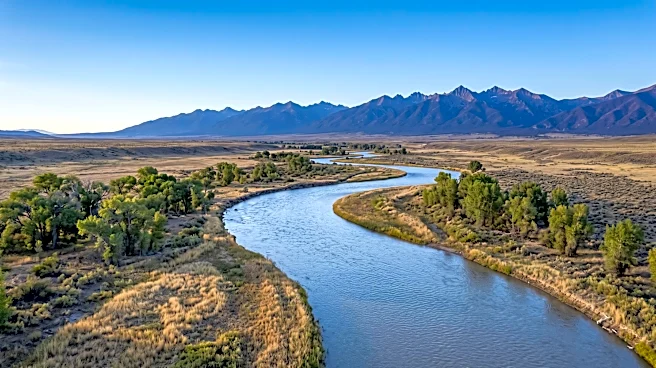
Potato farmers in Colorado's San Luis Valley are confronting a severe water crisis due to the rapid depletion of the unconfined aquifer and proposed increases in water pumping fees. The aquifer is currently 1.3 million acre-feet below its 1976 benchmark,
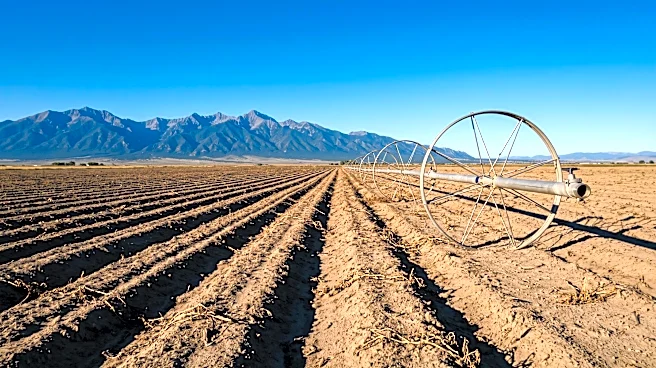
despite previous efforts to reduce groundwater use. A new plan, currently under consideration in water court, proposes to raise the pumping fee for well-dependent farmers in Subdistrict 1 from $150 to $500 per acre-foot if they cannot replace pumped water with surface water rights. This drastic increase is seen by many farmers, including Asier Artaechevarria, as a breaking point that could force them out of business. The valley, which receives only 6-7 inches of precipitation annually, relies heavily on irrigation for potato cultivation, a crop that requires about 20 inches of water by harvest time. The ongoing drought and climate change have exacerbated the situation, leading to a sense of urgency among state officials and local water conservation districts.
Why It's Important?
This situation in the San Luis Valley highlights the critical challenges facing agricultural communities in the American West due to prolonged drought and climate change. The potential collapse of the potato farming industry in this region would have significant economic and social repercussions. The San Luis Valley's farming economy contributes hundreds of millions of dollars, and the proposed water cost increases threaten the livelihoods of numerous farm families and associated businesses, including packing and shipping operations. The conflict over water rights and costs also underscores the broader struggle between different groups of farmers and the need for equitable solutions in managing scarce resources. The outcome of the water court case could set a precedent for how other drought-stricken agricultural regions in the U.S. address similar challenges, impacting food security and rural economies nationwide.
What's Next?
The water court is currently deliberating on the proposed plan to increase pumping fees and mandate surface water replacement for farmers in Subdistrict 1. If the plan is not approved, or if the aquifer restoration targets are not met by 2031, State Engineer Jason Ullmann is legally empowered to forcibly shut down wells, which would devastate the region's agriculture. State Senator Cleave Simpson emphasizes the need for farmers to adapt to changing conditions, suggesting that incremental changes are preferable to a forced, fundamental shift. The state legislature has already allocated $60 million to aid conservation efforts in the San Luis Valley and the Republican River basin, indicating a recognition of the severity of the issue. Farmers are exploring alternative crops and water-saving techniques, but the long-term viability of potato farming in the valley remains uncertain.
Beyond the Headlines
The San Luis Valley's water crisis reveals deeper issues concerning the long-term sustainability of traditional agricultural practices in arid regions and the impact of climate change on rural communities. The dispute between farmers relying on well water and those with surface water rights exposes the complex social and economic divisions that emerge during resource scarcity. It also raises questions about the valuation of land and the potential for entire communities to be displaced or economically marginalized. The narrative extends beyond mere water management to encompass the preservation of cultural heritage, as farming traditions passed down through generations are now at risk. This situation serves as a stark reminder of the need for comprehensive, long-term strategies that integrate environmental science, economic realities, and social equity to ensure the resilience of agricultural systems in a changing climate.