






What's Happening?
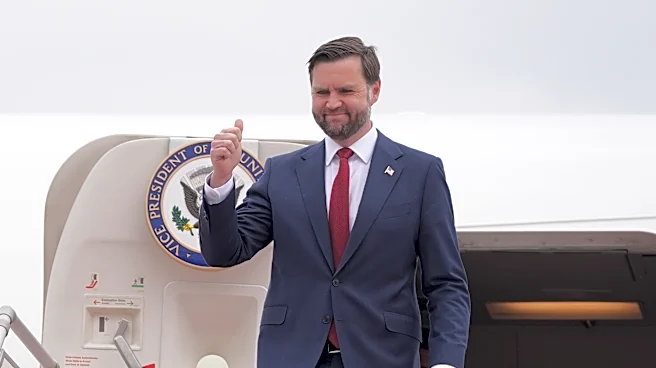
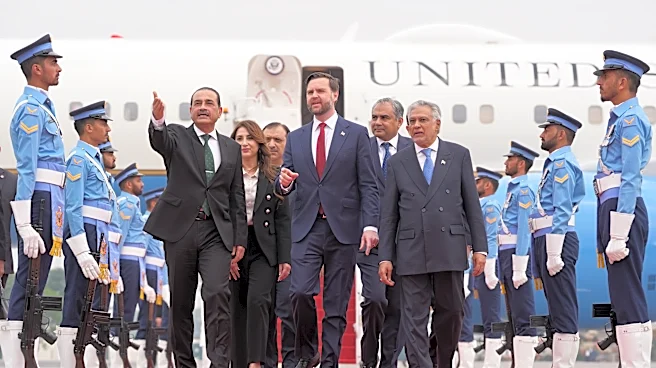
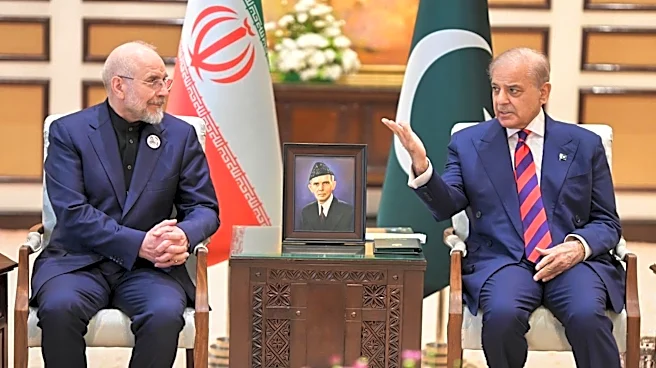
The United States and Iran have commenced direct negotiations in Pakistan following a fragile ceasefire in a conflict that has resulted in significant casualties and economic disruptions. The talks, involving U.S. Vice President JD Vance and Iranian Parliament
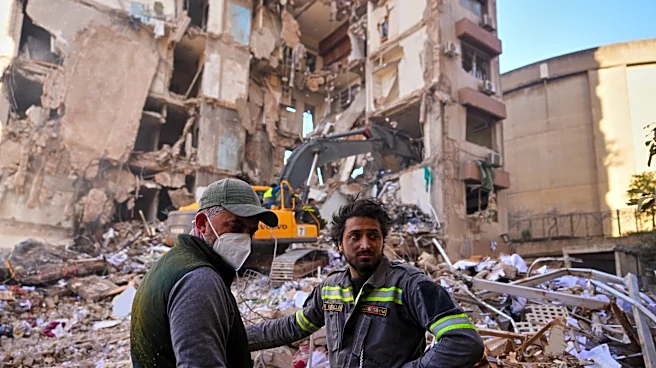
Speaker Mohammad Bagher Qalibaf, are a rare instance of high-level engagement between the two nations. The discussions aim to solidify the ceasefire, which is threatened by ongoing Israeli attacks on Hezbollah in Lebanon. Iran has set 'red lines' for the talks, including demands for compensation for damages from U.S.-Israeli strikes and the release of frozen Iranian assets. The conflict has severely impacted the Strait of Hormuz, a critical passage for global oil exports, leading to soaring energy prices.
Why It's Important?
The outcome of these talks holds significant implications for global energy markets and regional stability. The conflict has disrupted oil exports through the Strait of Hormuz, a vital artery for global energy supplies, causing a spike in oil prices. A resolution could stabilize energy markets and ease economic pressures worldwide. Additionally, the talks could influence U.S.-Iran relations and impact geopolitical dynamics in the Middle East. The involvement of other regional powers, such as China and Saudi Arabia, underscores the broader international interest in resolving the conflict. The negotiations also highlight the complex interplay of military, economic, and diplomatic factors in the region.
What's Next?
Future developments hinge on the success of the ongoing talks. If the ceasefire holds and a broader agreement is reached, it could lead to a de-escalation of hostilities and a reopening of the Strait of Hormuz. However, continued Israeli strikes on Hezbollah and Iran's demands for compensation pose significant challenges. The potential for direct negotiations between Israel and Lebanon, despite internal opposition in Lebanon, could further complicate the situation. The international community will be closely monitoring the talks, as their outcome could have far-reaching consequences for regional and global stability.