





What's Happening?
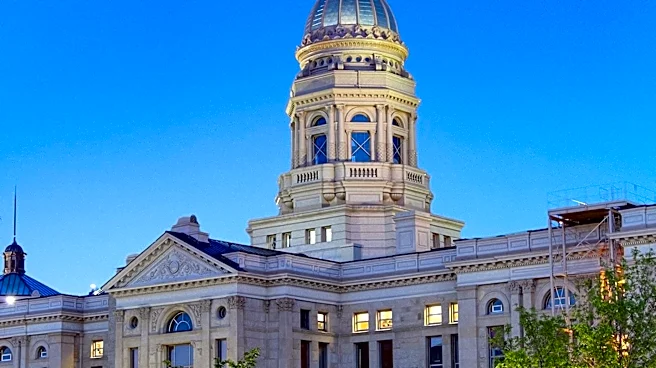
The University of Wyoming (UW) has been featured in various state, national, and international media outlets for its research, community initiatives, and the activities of its faculty and leadership. UW economist Rob Godby was quoted by Wyoming Public
Radio regarding Wyoming's third-place ranking nationally for the carbon intensity of its electricity generation, noting the state's position as a 'center of coal country.' Gaby Alvarado of UW’s Rural Health Institute addressed the impact of hospital maternity ward closures in Wyoming, highlighting the disparity between available care and family needs. The Toppan Rare Books Library at UW’s American Heritage Center was recognized by Cowboy State Daily for housing a complete set of Edward Sheriff Curtis’s 'The North American Indian.' Additionally, the Jay Kemmerer WORTH Institute’s new Wyoming Rural Pathways Initiative, funded by a $2.5 million grant from the U.S. Department of Education, aims to guide rural Wyoming students into careers in outdoor recreation, tourism, and hospitality. UW President Shane Reeves recently visited western Wyoming, touring the TerraPower Natrium nuclear plant and meeting with local business leaders, and his podcast, 'UWyo Spotlight,' featured Gov. Mark Gordon.
Why It's Important?
The diverse coverage of the University of Wyoming underscores its significant role in addressing critical issues facing the state and region. Rob Godby's comments on carbon intensity highlight Wyoming's energy landscape and the ongoing national conversation about energy transition and environmental impact. The focus on maternity ward closures by Gaby Alvarado brings attention to a pressing healthcare challenge in rural areas, affecting access to essential services for families. The Rural Pathways Initiative is crucial for economic development and workforce training in Wyoming, particularly in the growing outdoor recreation and tourism sectors, providing educational and career opportunities for local students. President Reeves' engagements with local leaders and his podcast featuring the Governor demonstrate the university's commitment to community outreach, economic partnership, and public discourse, reinforcing its position as a key institution for both academic and societal advancement within Wyoming.
What's Next?
The University of Wyoming is expected to continue its research efforts, particularly in areas like energy economics and rural healthcare, which are critical for the state's future. The Rural Pathways Initiative will likely proceed with its goal of preparing students for careers in outdoor recreation, tourism, and hospitality, potentially expanding its reach and impact on rural communities. Further episodes of President Reeves' 'UWyo Spotlight' podcast are anticipated, continuing to feature prominent figures and discussions relevant to Wyoming. The university's ongoing engagement with state and national media suggests a continued focus on disseminating its research findings and highlighting its contributions to public policy and community well-being. The discussions around carbon intensity and healthcare access will likely remain pertinent, influencing future policy debates and resource allocation within the state.
Beyond the Headlines
The various news items collectively paint a picture of a university deeply embedded in the socio-economic and environmental fabric of Wyoming. The emphasis on carbon intensity reflects the broader national and global challenge of balancing energy production with environmental sustainability, a particularly salient issue for a coal-centric state like Wyoming. The concerns over maternity ward closures highlight a systemic issue in rural healthcare across the U.S., where access to specialized medical services is diminishing, leading to potential health disparities and increased burdens on rural families. The preservation of historical texts like 'The North American Indian' by Edward Sheriff Curtis at the Toppan Rare Books Library speaks to the cultural and historical stewardship role of academic institutions, ensuring that valuable records of Native American history and culture remain accessible for future generations. These efforts collectively demonstrate the university's multifaceted impact, extending beyond traditional academia to influence public health, economic development, and cultural preservation.