






What's Happening?
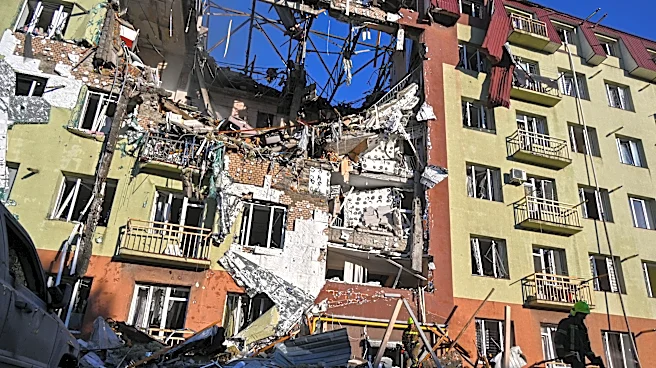
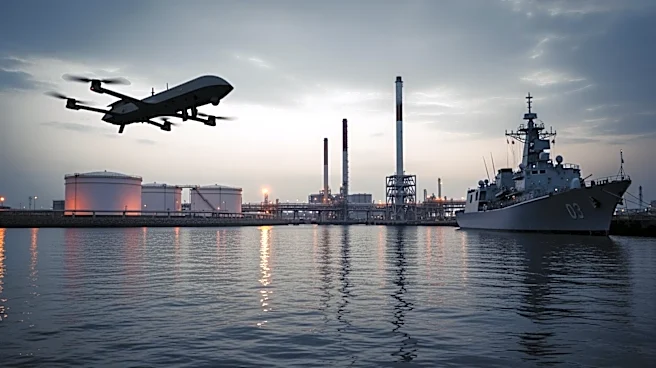
Kazakhstan's energy ministry has confirmed that oil shipments via the Caspian Pipeline Consortium (CPC) remain stable following reports of an attack on loading facilities in the Black Sea. The Russian Defense Ministry accused Ukraine of damaging facilities at the maritime
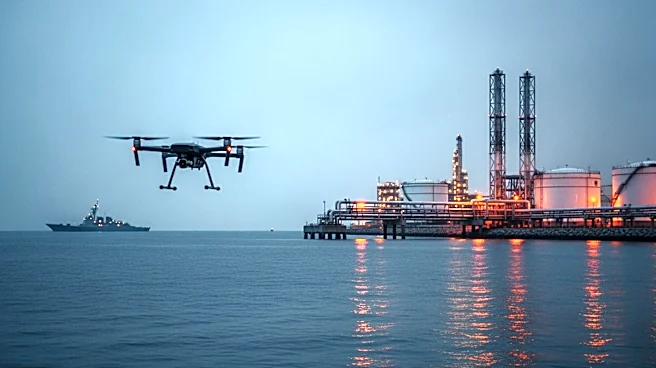
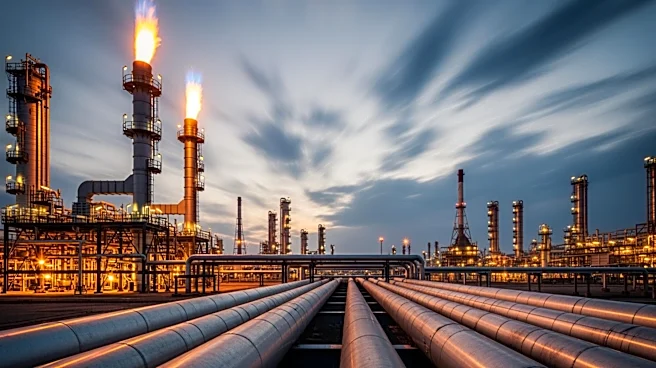
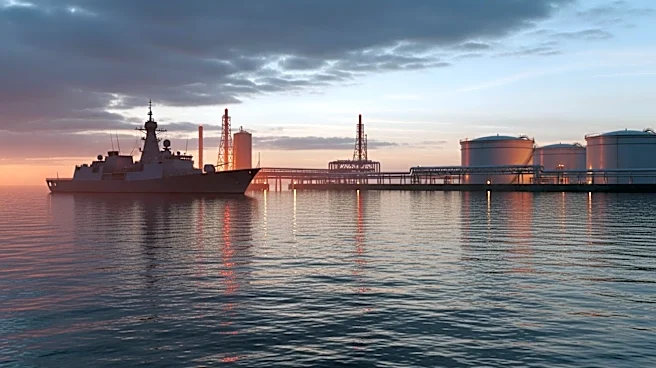
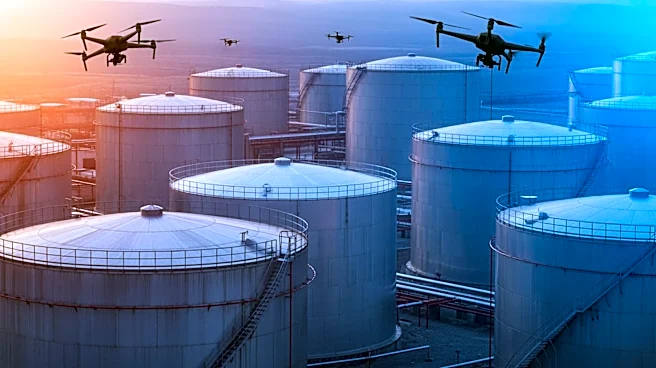
transshipment complex in Novorossiysk, which reportedly included a mooring point for the CPC and resulted in fires at four oil product reservoirs. Despite these reports, Sungat Yesimkhanov, Kazakhstan's deputy energy minister, assured that the oil sector's operations and CPC exports continue without disruption. The CPC terminal, crucial for Kazakhstan's crude exports, handles 80% of the country's oil, with supply volumes increasing to 70.5 million metric tons last year. The CPC is partly owned by U.S. companies Chevron and Exxon Mobil. Ukraine has not commented on the allegations, although its military claimed responsibility for drone attacks on oil infrastructure near the CPC terminal.
Why It's Important?
The stability of CPC oil exports is significant for global energy markets, particularly given the involvement of major U.S. companies like Chevron and Exxon Mobil. Any disruption in these exports could have substantial implications for oil supply and prices, affecting both international markets and domestic energy policies. The geopolitical tensions between Russia and Ukraine add complexity to the situation, potentially influencing diplomatic relations and economic sanctions. The resilience of the CPC operations amidst these tensions underscores the strategic importance of Kazakhstan's oil exports and the infrastructure supporting them. This stability is crucial for maintaining energy security and economic stability in the region.
What's Next?
Future developments will likely focus on the geopolitical dynamics between Russia and Ukraine, and their impact on energy infrastructure in the region. Stakeholders, including international energy companies and governments, will be monitoring the situation closely to assess risks and potential disruptions. Any escalation in hostilities could prompt further international responses, including sanctions or diplomatic interventions. Additionally, Kazakhstan may seek to strengthen its infrastructure security to prevent future disruptions, ensuring continued stability in its oil exports.