





What's Happening?
A comprehensive guide has been released detailing how applicants can check the status of their K-1 visa applications, also known as a fiancé(e) visa. The method for checking the status depends on which agency is currently processing the petition: the U.S.
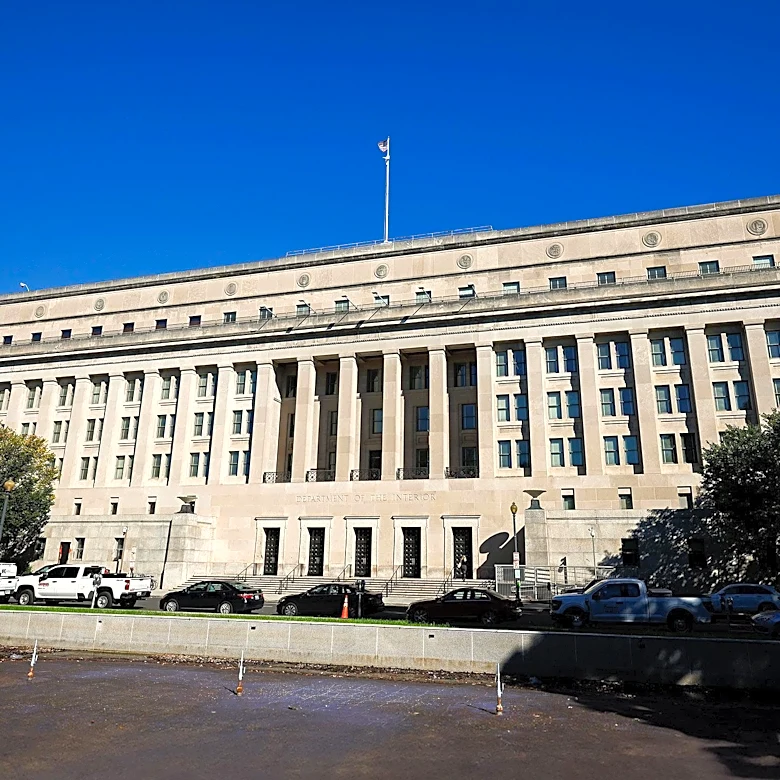
Citizenship and Immigration Services (USCIS) or the Department of State. If the petition is still with USCIS, applicants can use the USCIS Case Status Online website by entering their 13-character receipt number. Once the case moves to the Department of State, applicants should use the Consular Electronic Application Center (CEAC) website, selecting 'Nonimmigrant Visa (NIV)' and providing their case or application identification number and location. The guide emphasizes that USCIS petition approval does not guarantee visa issuance, as further steps with the Department of State are required. Common status updates include 'Case Was Received,' 'Request for Evidence (RFE),' 'Case Was Approved,' 'Ready,' and 'Issued.' The K-1 visa process typically takes 8-12 months or longer, with potential delays due to missing documents, eligibility issues, or insufficient proof of a genuine relationship.
Why It's Important?
This guide is important because it demystifies a critical and often complex process for individuals seeking to bring their fiancé(e)s to the United States. The K-1 visa is a non-immigrant visa that allows a U.S. citizen's foreign fiancé(e) to travel to the U.S. to marry their petitioner within 90 days of arrival. The clarity provided by this guide helps applicants navigate the bureaucratic hurdles of two major government agencies, USCIS and the Department of State, reducing anxiety and potential errors. Understanding the different stages and corresponding tracking methods can prevent unnecessary delays and ensure applicants are prepared for subsequent steps, such as interviews or requests for additional evidence. The K-1 visa process is a significant pathway for family-based immigration, directly impacting the lives of thousands of couples and contributing to the social fabric of the U.S. by facilitating family reunification.
What's Next?
Applicants with pending K-1 visa petitions will continue to utilize the outlined online tools to monitor their case status. They should regularly check the USCIS Case Status Online or CEAC website, depending on the current processing stage of their application. If a 'Request for Evidence (RFE)' is issued, applicants must promptly provide the requested documents or information to avoid further delays or potential denial. Once the K-1 visa is issued, the foreign fiancé(e) can travel to the U.S., where they must marry their U.S. citizen petitioner within 90 days. Following marriage, the foreign spouse will typically apply for Adjustment of Status to become a lawful permanent resident. The processing times for K-1 visas are subject to change based on agency workloads and policy adjustments, so applicants should remain vigilant for any updates from USCIS or the Department of State.
Beyond the Headlines
The K-1 visa process, while seemingly straightforward, often involves significant emotional and financial investment for couples. The guide's emphasis on potential delays due to 'missing documents, eligibility issues, or insufficient proof of a genuine relationship' highlights the rigorous scrutiny applied to these petitions to prevent fraud and ensure the legitimacy of relationships. This scrutiny reflects broader concerns about immigration integrity and national security. The dual agency processing (USCIS and Department of State) underscores the layered approach to immigration, where initial petition approval is distinct from final visa issuance. This separation can be a source of confusion and stress for applicants, making clear guidance essential. The K-1 visa also touches upon cultural aspects of international relationships and the legal framework designed to accommodate them, while balancing the need for secure and orderly immigration.