





What's Happening?
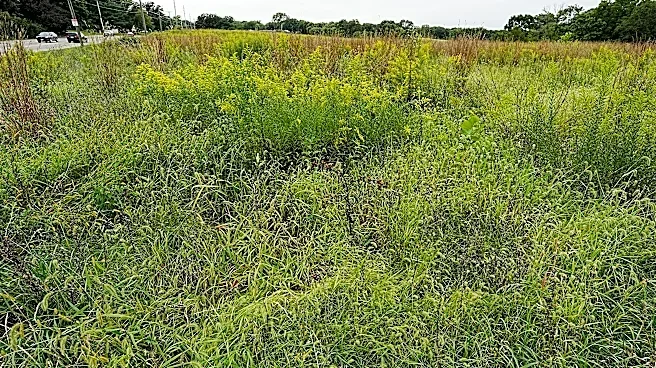
Jeff Melin, a Georgia cattle farmer, is facing the loss of approximately 225 acres of his 450-acre family farm due to the development of a new airport in Spalding County. The farm, which has been in his family for nearly 80 years, is being impacted by
the planned 730-acre airport project, which will include a 6,000-foot runway and 124 hangars for express and corporate jets. Melin reported to AgWeb that a 70-acre pecan grove, containing trees over a century old, has already seen some clearing. He has been given 90 days to empty a 40-by-60-foot farm shop and anticipates having to remove at least 65 cows and 30 calves from his operation. The airport construction is slated to commence in 2026 and conclude in 2031. Melin expressed concerns about the valuation of the property, stating that investments in land management were not reflected in the offer, and that direct communication about the plans was lacking, with only letters and announcements received.
Why It's Important?
This situation highlights the significant challenges faced by long-standing agricultural operations when confronted with large-scale infrastructure projects. The loss of 225 acres represents a substantial portion of Melin's farm, directly impacting his cattle operation, including livestock, equipment, and buildings. The displacement of a multi-generational family farm raises questions about eminent domain, fair compensation, and the balance between public development and private property rights. While the Georgia Department of Transportation projects an estimated $24 million annual economic impact for Spalding County from the new airport, the immediate and long-term economic and personal costs to the affected farmer are considerable. The dispute over property valuation also underscores potential inequities in how land is assessed for public acquisition, particularly for properties with historical and operational value that may not be fully captured by standard appraisals.
What's Next?
Construction of the new Spalding County Airport is scheduled to begin in 2026 and is expected to be completed by 2031. In the immediate future, Jeff Melin must clear his farm shop within 90 days and make arrangements to remove his livestock. The ongoing dispute over property valuation suggests potential legal or administrative challenges regarding compensation. Stakeholders, including local government, agricultural advocacy groups, and potentially legal counsel, may become involved as Melin seeks to address the impact on his family's livelihood and the future of his farm. The project's progression will likely continue to involve environmental, archaeological, and ecological studies, as it has since its proposal in 2012. The outcome of Melin's situation could set precedents for how similar land acquisitions are handled in the future, particularly concerning family-owned agricultural businesses.
Beyond the Headlines
The case of Jeff Melin's farm extends beyond a simple land acquisition, touching upon deeper societal values concerning heritage, community, and the future of family farming in the U.S. The Melin family's 80-year connection to the land represents a significant cultural and historical tie, which is being severed for a project aimed at economic development. This scenario brings to light the ethical considerations of prioritizing corporate and express jet infrastructure over established agricultural practices and the livelihoods of individual farmers. It also raises questions about the transparency and fairness of communication between government entities and affected landowners during such projects. The perceived undervaluation of the property, especially considering continuous investments in land management, could erode trust in public processes and highlight a systemic challenge in recognizing the true value of agricultural land beyond its market price. This event could fuel broader discussions on land use policy, rural preservation, and the rights of landowners in the face of public works.