





What's Happening?
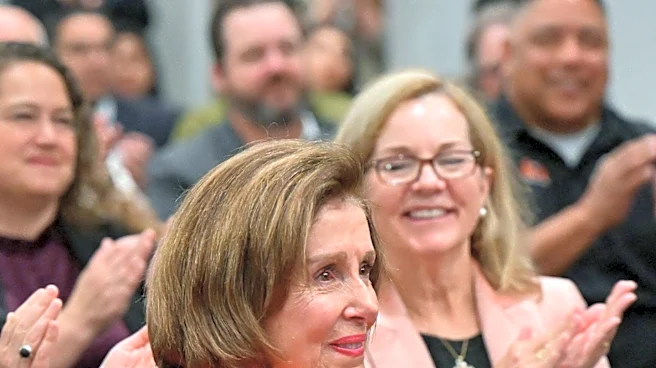
U.S. Rep. Terri Sewell has introduced the Protecting Student-Athletes from Unexpected Tax Liability Act. This proposed legislation aims to address the tax obligations of college athletes earning income through Name, Image, and Likeness (NIL) agreements.
The bill mandates that a portion of NIL payouts be withheld for federal tax purposes. Sewell stated that the initiative is designed to protect young athletes from unforeseen tax burdens and penalties, citing instances where athletes, unaware of their tax responsibilities, faced significant bills from the IRS after spending their NIL earnings. She highlighted a case where an 18-year-old athlete incurred a $320,000 tax bill on $750,000 in NIL income due to a lack of understanding regarding tax obligations and estimated quarterly payments. The legislation seeks to provide these athletes with the necessary tools and protections for a stable financial future.
Why It's Important?
The introduction of this bill is significant because it addresses a growing concern within the evolving landscape of college athletics and financial literacy. The NIL era has opened new income streams for student-athletes, but it has also introduced complex tax responsibilities that many young individuals are ill-equipped to handle. Without proper withholding, athletes can face substantial tax liabilities and penalties, potentially undermining the financial benefits of NIL deals. This legislation could establish a precedent for how income from non-traditional sources, particularly for young earners, is managed for tax purposes. It highlights a gap in financial education for a demographic suddenly exposed to significant earnings, impacting their long-term financial well-being and potentially influencing future policy discussions on athlete compensation and financial literacy programs.
What's Next?
The Protecting Student-Athletes from Unexpected Tax Liability Act will now proceed through the legislative process in Congress. It will likely undergo committee review, debates, and potentially amendments before any vote. Stakeholders, including college athletic associations, student-athlete advocacy groups, and financial experts, are expected to weigh in on the proposed changes. If passed, the bill would require NIL collectives, universities, or other entities facilitating NIL payments to implement new withholding procedures. This could lead to a more standardized approach to tax compliance for student-athletes, potentially reducing their financial risks and ensuring a more equitable system for managing their earnings. The discussion around this bill may also spur broader conversations about financial education for young professionals across various industries.
Beyond the Headlines
Beyond the immediate financial implications, this legislation touches upon deeper issues of financial literacy and consumer protection for young adults entering the professional sphere. The NIL landscape has rapidly transformed, creating a new class of young earners who often lack the experience or guidance to navigate complex financial regulations. The bill implicitly acknowledges a societal responsibility to educate and protect these individuals from potential financial pitfalls. It could set a precedent for how other industries or emerging markets handle income for young, often inexperienced, earners. Furthermore, it highlights the ongoing tension between the commercialization of college sports and the welfare of student-athletes, prompting questions about the support systems universities and governing bodies should provide beyond athletic development.