








What's Happening?
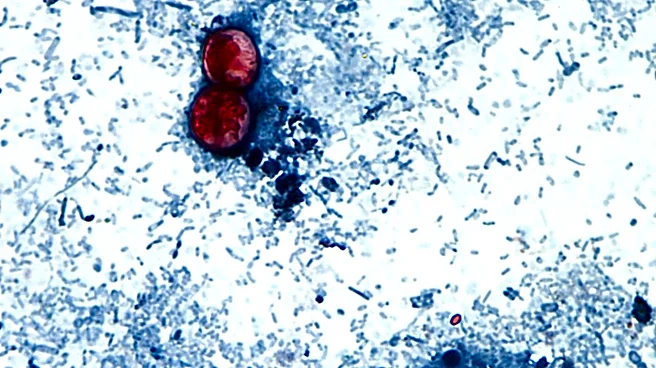
A significant increase in Cyclospora infections has been reported across the United States, marking one of the largest foodborne illness outbreaks of 2026. The U.S. Centers for Disease Control and Prevention (CDC) has confirmed 1,645 cases across 34 states,
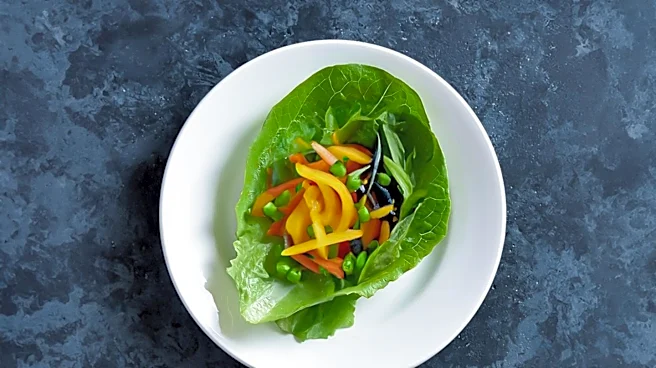
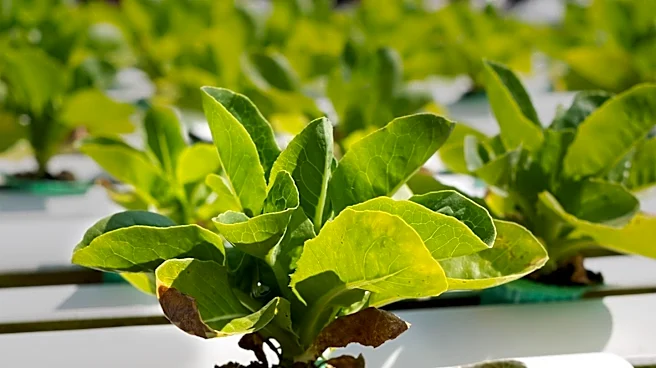
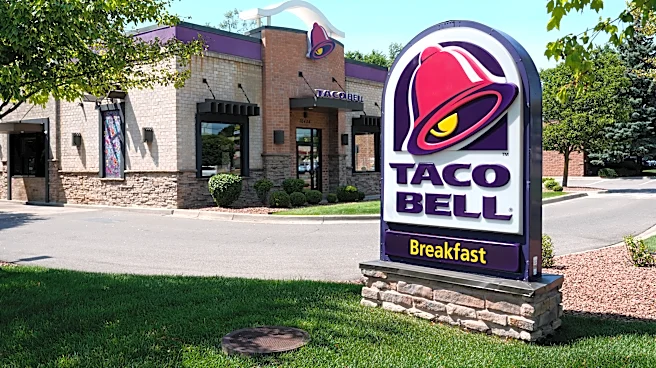
with over 5,100 additional cases under review. This parasitic illness, which causes severe gastrointestinal distress, has prompted federal investigations and heightened scrutiny of fresh produce supply chains during the summer growing season. A major outbreak cluster has been linked to shredded iceberg lettuce from Taylor Farms de Mexico, served at Taco Bell locations in five states. In response, Taco Bell has removed the affected lettuce from its supply chain, and Taylor Farms has withdrawn all iceberg lettuce sourced from central Mexico from the U.S. market. Despite these measures, investigations continue to identify other potential sources of contamination.
Why It's Important?
The surge in Cyclospora cases underscores the ongoing challenges in ensuring food safety in the U.S., particularly with fresh produce. The outbreak highlights vulnerabilities in the supply chain and the need for stringent safety protocols. The involvement of major food chains like Taco Bell amplifies the public health impact, as such establishments serve large numbers of consumers. The situation also reflects broader issues in food safety management, as evidenced by other recent outbreaks involving Salmonella, Listeria, and E. coli. These incidents collectively stress the importance of robust regulatory oversight and the need for continuous monitoring and rapid response to prevent widespread health risks.
What's Next?
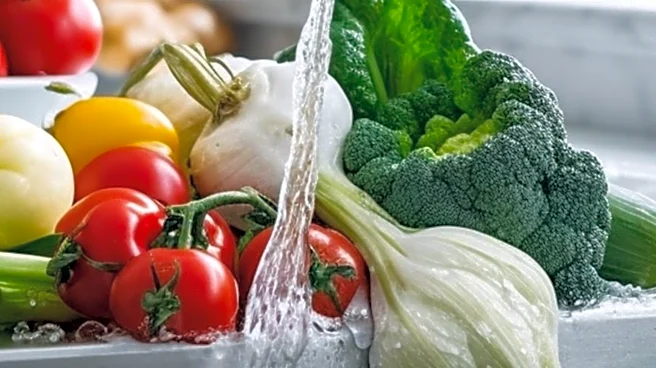
Public health officials anticipate a rise in Cyclospora cases in the coming weeks due to reporting delays and the parasite's incubation period. The CDC and FDA are urging consumers, retailers, and food service providers to adhere to strict food safety and handling practices. Ongoing investigations aim to identify additional contamination sources, and further regulatory actions may be implemented to enhance food safety standards. The outcomes of these investigations could lead to policy changes and increased scrutiny of food supply chains, particularly during peak produce seasons.